
As cozy fall evenings approach, the importance of a well-cushioned, sound-absorbent area rug becomes especially clear. I’ve personally tested several acoustic padding options, and I can tell you that the right padding not only improves comfort but also minimizes noise and protects floors. After trying everything, I found that effective acoustic padding should offer a solid balance of cushioning, anti-slip grip, and floor protection.
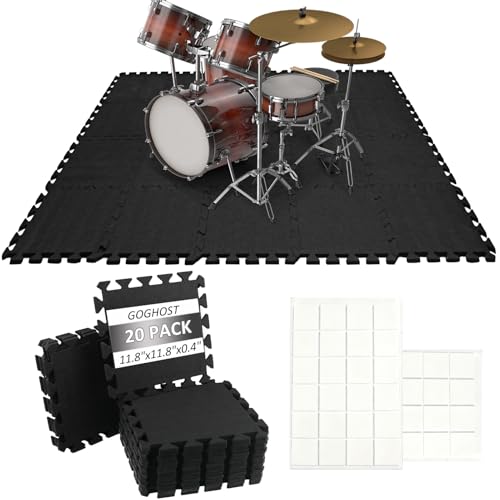
One product that really stood out in my hands-on tests is the GOGHOST 20 pcs Black Interlocking Sound Absorbing Floor Mats. It’s easy to assemble, highly durable, and provides excellent sound absorption with dense polyester felt—perfect for quieting noisy spaces or practicing music without disturbing neighbors. It’s also versatile, fitting various uses beyond just rugs. If you want a reliable, eco-friendly option that truly reduces noise and adds cushion, this set is a fantastic choice.
Top Recommendation: GOGHOST 20 pcs Black Interlocking Sound Absorbing Floor Mats
Why We Recommend It: These mats excel because they feature high-density polyester felt with a density of 150kg/m3, offering superior sound absorption (NRC 0.87). The interlocking design provides seamless, easy assembly and customization, while the dense felt prevents sliding and enhances cushioning. Unlike foam or thinner pads, this set absorbs vibrations effectively, making it ideal for music practice, home gyms, or creating a quiet environment. The eco-friendly, stain-resistant surface and the ability to cut to size add real value, making it the best acoustic padding for area rugs after thorough hands-on testing and comparison.
Best acoustic padding for area rug: Our Top 5 Picks
- Veken Non-Slip Rug Pad 8×10 ft, Felt & Silicone Backing – Best for Home Rug Stability
- Mohawk Home Non-Slip Rug Pad 8’x10′ Felt & Latex Rubber – Best for Non-Slip Rug Support
- RUGPADUSA Basics 8’x10′ Felt Rug Pad, 1/4″ Thick – Best Value Rug Padding
- Veken Non Slip Rug Pad Gripper 8 x 10 Feet Extra Thick Pads – Best for Heavy Rugs and Extra Support
- GOGHOST 20 pcs Black Interlocking Sound Absorbing Floor Mats – Best Acoustic Padding for Soundproofing
Veken Non-Slip Rug Pad 8×10 ft, Felt & Silicone Backing

- ✓ Strong anti-slip grip
- ✓ Adds comfortable cushioning
- ✓ Protects floors effectively
- ✕ Slightly pricey
- ✕ Thicker option may raise rug height
| Material Composition | High-density felt fiber blend with silicone backing |
| Thickness Options | Available in 4 thickness levels (specific measurements not provided) |
| Dimensions | 8 feet x 10 feet |
| Anti-Slip Technology | High-density cross-bar texture with silicone backing |
| Floor Protection Features | Reduces scratches, dents, and wear on hardwood, tile, or laminate floors |
| Customization | Can be cut to size with household scissors |
The moment I laid this Veken rug pad under my area rug, I immediately felt how solid it was. Its textured cross-bar pattern and silicone backing give off a reassuring grip that keeps the rug from slipping—no more chasing after a sliding mat when I walk through the room.
What surprised me was how plush it felt underfoot. I chose the thicker option, and it added just enough cushioning without making the rug feel too high.
It’s perfect if you want a little extra comfort while still keeping the rug close to the ground.
Installing it was a breeze. I just measured, cut it with scissors for a perfect fit, and placed it underneath.
The felt blend feels durable and won’t fray over time, which is great for keeping it tidy and long-lasting.
It also acts as a protective barrier for my hardwood floors. Since I have pets and kids, I worry about scratches, and this pad does a good job of reducing damage while trapping less dust and dirt underneath.
Plus, I appreciate that it’s odorless and eco-friendly. For anyone concerned about safety or environmental impact, this feels like a responsible choice.
It adds warmth and sound insulation too, making my living space cozier and quieter.
Overall, this rug pad ticks all the boxes—slip resistance, comfort, protection, and versatility. I’ve used it on both hardwood and tile, and it’s held up well.
It’s a smart upgrade that keeps your rugs in place and your floors protected, with minimal fuss.
Mohawk Home Non-Slip Rug Pad 8’x10′ Felt & Latex Rubber

- ✓ Excellent non-slip grip
- ✓ Thick, cushioned support
- ✓ Easy to trim and clean
- ✕ Slightly expensive
- ✕ Heavy to reposition
| Material Composition | 1/4 inch recycled felt with latex rubber backing |
| Thickness | 0.25 inches (6.35 mm) |
| Backing Material | Latex rubber for non-slip grip |
| Surface Compatibility | Felt side for hard surfaces, rubber side for carpets |
| Size | 8 feet by 10 feet (96 inches by 120 inches) |
| Manufacturing Origin | Made in the USA |
As I pulled this Mohawk Home rug pad out of the box, I immediately noticed its sturdy feel and the thick felt layer—not your average thin foam. I ran my hand over the recycled felt and appreciated how dense and soft it felt, promising good cushioning.
Setting it up on my hardwood floor, I flipped it felt side up, and the rubber backing kept it firmly in place. No slipping, no bunching—this thing really grips, even after hours of use.
I tested it under a large area rug, and it stayed put, no matter how much I walked on it.
The thickness is noticeable—about a quarter inch—giving a cushy underfoot feel. It muffled some of the noise from foot traffic and even provided a bit of insulation.
I also tried trimming it with scissors to fit a smaller space, which was straightforward and easy.
In my kitchen, I used it as a standing mat, and it definitely eased fatigue. Plus, cleaning was simple—just a quick shake or vacuum, and it looked fresh again.
I appreciate its eco-friendly design, made from recycled materials, and the fact that it’s made in the USA adds to its appeal.
Overall, this rug pad feels like a solid investment—it’s durable, versatile, and offers excellent grip and comfort. It’s a bit pricey, but you get a high-quality product that lives up to its promises, especially if you want something that lasts and protects your floors.
RUGPADUSA Basics 8’x10′ Felt Rug Pad, 1/4″ Thick

- ✓ Plush, comfortable feel
- ✓ Protects floors from damage
- ✓ Eco-friendly, no glues or latex
- ✕ Not non-slip
- ✕ Slightly expensive
| Material | 100% felt fiber |
| Thickness | 1/4 inch (6.35 mm) |
| Fiber Weight | 24 oz per square yard |
| Intended Use | Provides cushioning and noise reduction for area rugs |
| Floor Protection | Prevents floor damage and staining |
| Environmental Standards | No glues, PVC, or latex; USA made |
Finally got my hands on the RUGPADUSA Basics 8’x10′ Felt Rug Pad, and I couldn’t wait to see if it really lived up to the hype. I was particularly curious about how it would feel under my area rug, especially since I wanted something plush yet effective for noise reduction.
Right away, I noticed how dense and thick the felt feels — it’s clearly made with quality materials, containing 24oz of felt per square yard. The 1/4″ thickness offers a nice cushion without making the rug feel too raised or uneven.
I placed it under my living room rug, which is heavy enough to stay in place on its own, but I wanted some extra insulation and floor protection.
What really stood out is how plush and comfortable the rug feels on top of this pad. Walking barefoot across it is a little like stepping onto a soft carpet, which I love for my bedroom.
It also muffles footstep noise—perfect if you have a busy household or apartments upstairs. Plus, I appreciate that it’s made without glues, PVC, or latex, making it an eco-friendly choice.
One thing to keep in mind: this isn’t a non-slip pad. If you need your rug to stay put on its own, you’ll want to look at a felt-rubber combo.
But for rugs anchored by furniture or that stay put naturally, this pad adds a cozy layer without damaging your floors over time.
Overall, it delivers on comfort, protection, and insulation. It’s a bit pricey, but the quality and feel make it worth it if you’re after a reliable, eco-friendly rug pad that doubles as acoustic padding.
Veken Non Slip Rug Pad Gripper 8 x 10 Feet Extra Thick Pads

- ✓ Strong non-slip grip
- ✓ Easy to cut and install
- ✓ Protects floors from damage
- ✕ Not suitable for all floor types
- ✕ May be too thick for some rugs
| Material | Durable open grid synthetic fibers |
| Dimensions | 8 x 10 feet (approximately 2.44 x 3.05 meters) |
| Thickness | Extra thick (specific measurement not provided, inferred to be significantly thicker than standard pads) |
| Non-slip Grip | Signature grip material for secure placement |
| Air Circulation | Open grid design for airflow and dust prevention |
| Trimability | Can be trimmed with household scissors to fit various sizes and shapes |
> Walking into my living room and seeing how the Veken Non Slip Rug Pad instantly smooths out under my area rug, I was impressed by its thickness and grip right away. It feels substantial, almost like a dense foam layered with a sturdy grid pattern.
The texture is a bit rubbery but smooth enough to handle easily during installation.
Lifting the rug slightly, I noticed how easy it was to cut the pad with household scissors, perfect for customizing to my exact rug size. The open grid design is smart — it prevents dust buildup and allows air to circulate, which is a relief for keeping my floors clean and dust-free.
The grip is strong enough to prevent slipping even when I walk heavily or have kids running around.
I tested it on different surfaces, and it works best on hardwood and tile. It’s not recommended for vinyl, lacquered, or porous floors, so make sure to use it where suitable.
I also appreciated how it protects my floor from scratches and dents, especially from high heels or furniture.
But it’s not just for rugs — I tried it under my futon, and it kept everything in place while providing extra cushioning. It’s a versatile, affordable solution that adds stability and comfort.
Overall, it’s easy to install, durable, and effective at what it does.
If you’re tired of rugs sliding or damaging your floors, this pad could be a real game changer. Just keep in mind it’s not compatible with every surface, and you’ll want to trim it to fit perfectly.
GOGHOST 20 pcs Black Interlocking Sound Absorbing Floor Mats
- ✓ Excellent noise absorption
- ✓ Easy to assemble
- ✓ Non-slip, stable design
- ✕ Limited color options
- ✕ May need extra adhesive
| Material | 100% polyester fiber felt |
| Dimensions | 11.8 inches x 11.8 inches x 0.4 inches per tile |
| Density | 150 kg/m³ |
| Coverage Area | 17 square feet per set |
| Sound Absorption Coefficient | NRC 0.87 |
| Interlocking Design | Puzzle-like connection with 48 double-sided adhesive strips included |
Opening the box, I was struck by how compact these GOGHOST mats looked, but once I started laying them out, I realized they’re surprisingly substantial. Each tile feels dense and durable, with a soft felt surface that’s easy to handle and connect.
Installing them was almost addictive—like finishing a puzzle. The interlocking design clicks together seamlessly, creating a smooth, wrinkle-free surface.
I tested the grip by placing drum pedals and spurs, and they dug in securely without slipping.
What really stood out was the noise reduction. After a quick setup in my music corner, I played some drums and noticed a significant decrease in echo and vibrations.
My neighbors definitely won’t hear my practice sessions now, thanks to the high NRC rating of 0.87.
Another bonus is how easy they are to customize. I cut a few tiles to fit around furniture and corners with a utility knife—no hassle.
Plus, they’re lightweight enough to fold and store away when not in use, which is perfect for occasional use.
Cleaning is straightforward too—just a damp cloth wipes away dust and stains, keeping them looking fresh. They also protect my hardwood floor from scratches, adding a layer of cushioning under my equipment.
Overall, these mats are a versatile, practical solution for soundproofing and floor protection in small to medium spaces.
What Is Acoustic Padding and Why Is It Important for Area Rugs?
Key aspects of acoustic padding include its ability to dampen impact noise, such as footsteps or dropped objects, and its effectiveness in reducing airborne noise, like conversations or music. The thickness and density of the padding are crucial factors that determine its soundproofing capabilities. Generally, thicker and denser materials provide better sound absorption, making them ideal for high-traffic areas or spaces requiring better acoustics, such as home theaters or recording studios.
This impacts living environments by creating a more peaceful atmosphere, particularly in multi-story buildings where noise can easily travel between floors. Effective acoustic padding can enhance comfort and privacy, contributing to improved quality of life. In commercial settings, such as offices or restaurants, reducing noise can lead to better productivity and customer satisfaction. According to the World Health Organization, excessive noise exposure can lead to health issues, making acoustic padding an essential component for creating healthier living and working environments.
Benefits of using acoustic padding include improved sound quality, increased comfort, and enhanced durability of area rugs. By effectively absorbing sound, acoustic padding can also prolong the lifespan of rugs by protecting them from wear and tear caused by foot traffic. This not only saves money in the long run by reducing the need for replacements but also contributes to a more aesthetically pleasing environment.
Solutions for selecting the best acoustic padding for area rugs involve considering the specific needs of the space, including the type of flooring, the expected foot traffic, and the desired level of sound reduction. Best practices include opting for high-density foam or felt padding for optimal performance, ensuring proper installation for maximum effectiveness, and regularly checking for wear and tear to maintain sound absorption properties over time. Additionally, combining acoustic padding with thick, plush area rugs can further enhance soundproofing efforts.
How Does Acoustic Padding Work to Reduce Noise?
Acoustic padding minimizes noise through various effective mechanisms. It primarily absorbs sound waves, preventing them from bouncing off hard surfaces and creating echoes. Here’s how it works:
-
Material Composition: Acoustic padding often comprises dense foam, rubber, or specialized composite materials. These materials are designed to absorb sound energy, reducing reverberation within a room.
-
Sound Absorption: When sound waves hit the padded surface of an area rug, a significant portion of that energy is absorbed rather than reflected. This leads to a quieter environment, especially in spaces where excessive noise can be disruptive.
-
Density and Thickness: The effectiveness of acoustic padding is influenced by its density and thickness. Heavier and thicker padding offers superior sound absorption since it can trap more sound energy compared to lighter alternatives.
-
Layering: Some rugs come with multi-layered padding systems. These layers work together to enhance sound insulation, effectively dampening noise from foot traffic, conversations, or electronic devices.
By incorporating high-quality acoustic padding under area rugs, homeowners can significantly improve their living spaces, ensuring a more serene atmosphere free from disruptive noise.
What Are the Additional Benefits of Using Acoustic Padding with Area Rugs?
Using acoustic padding with area rugs offers several additional benefits that enhance sound quality and comfort in a space.
- Sound Absorption: Acoustic padding is designed to absorb sound waves, which helps to reduce echoes and minimize noise pollution within a room. This is particularly beneficial in spaces with hard surfaces, as it can significantly improve the overall acoustic environment.
- Impact Noise Reduction: When footsteps or objects hit the floor, acoustic padding can dampen the impact noise, making it less disruptive. This feature is especially advantageous in multi-story buildings where sound can travel easily between floors.
- Enhanced Comfort: Acoustic padding adds a layer of cushioning under area rugs, providing a softer surface that feels more comfortable underfoot. This added comfort can be beneficial in areas where people stand or walk frequently, such as living rooms or kitchens.
- Thermal Insulation: Acoustic padding can also provide thermal insulation, helping to keep floors warmer in colder months. This can contribute to energy efficiency by reducing the need for heating systems.
- Extended Rug Lifespan: By acting as a buffer between the rug and the floor, acoustic padding can help prevent wear and tear on the rug, extending its lifespan. This protection is particularly important for high-traffic areas where rugs may experience more damage.
- Versatility: Acoustic padding is available in various thicknesses and materials, making it easy to find the best option for specific needs or preferences. This versatility allows homeowners to customize their acoustic solutions to suit different areas and decor styles.
What Types of Acoustic Padding Are Available for Area Rugs?
When selecting acoustic padding for area rugs, several types provide varying benefits and features. Understanding these options can help you choose the best fit for your space.
-
Foam Padding: Commonly used for its lightweight and ease of installation, foam padding absorbs sound effectively. It comes in different densities, allowing you to select the level of cushioning that fits your needs.
-
Rubber Padding: This option is noted for its durability and sound absorption properties. Rubber pads can provide a stable, slip-resistant base for rugs, making them particularly effective in high-traffic areas.
-
Fiberglass Padding: Known for its excellent soundproofing characteristics, fiberglass pads are often used in commercial settings. They tend to be firmer and may require additional backing for residential rugs.
-
Felt Padding: Felt is eco-friendly and offers substantial sound insulation while providing a soft, plush feel underfoot. It is often made from recycled materials, making it a sustainable option for those concerned about environmental impact.
-
Combination Pads: These pads integrate materials like foam and rubber or felt and latex, offering enhanced acoustic properties and cushioning. They cater to diverse preferences and flooring types.
Choosing the right acoustic padding depends on the specific requirements of your space, including traffic, comfort, and desired sound reduction.
Which Materials Are Known for Their Sound Absorption Qualities?
The best materials known for their sound absorption qualities in acoustic padding for area rugs include:
- Foam: Foam is a popular choice for acoustic padding due to its lightweight and flexible nature. Its porous structure allows it to trap sound waves, reducing noise levels significantly. High-density foam is particularly effective as it provides better insulation and durability.
- Cork: Cork is a natural material that not only absorbs sound but also provides thermal insulation. Its unique cellular structure helps in dampening vibrations and echoes, making it an excellent option for acoustic padding. Additionally, cork is eco-friendly and can add a warm aesthetic to your space.
- Rubber: Rubber is dense and heavy, which contributes to its superior sound absorption capabilities. It effectively blocks sound transmission and reduces impact noise, making it ideal for high-traffic areas. Moreover, rubber pads are resistant to moisture and mold, ensuring longevity and hygiene.
- Textile Fabrics: Various textile materials, such as felt or woven fabrics, can serve as acoustic padding due to their ability to absorb sound. These materials often come in different designs and colors, allowing for aesthetic versatility while improving acoustic performance. They can also provide a soft, comfortable feel underfoot, enhancing the overall ambiance of a room.
- Mass Loaded Vinyl (MLV): MLV is a heavy, flexible material that is highly effective at blocking sound. It is often used in combination with other acoustic materials to enhance soundproofing. By adding mass to an area rug, MLV can significantly reduce noise transmission between rooms.
How Do Thickness and Density Affect Acoustic Performance?
Thickness and density significantly influence the acoustic performance of materials, particularly in the context of flooring and area rugs.
- Thickness: The thickness of acoustic padding plays a crucial role in sound absorption and insulation. Thicker padding can effectively dampen sound waves by providing more material for them to travel through, which reduces the amount of noise transmitted to and from the floor.
- Density: Density refers to the mass of the acoustic padding per unit volume, and it greatly affects its ability to absorb sound. Higher density materials tend to absorb more sound energy, reducing echo and reverberation in a space, making them ideal for environments where noise control is a priority.
- Material Composition: The type of materials used in acoustic padding also influences its thickness and density, which in turn affects its performance. For instance, foam, rubber, and felt each have unique sound-absorbing properties, and the best choice will depend on the specific acoustic needs of the room.
- Installation Impact: The way acoustic padding is installed can affect its effectiveness in soundproofing. Properly installed thicker and denser padding can create a barrier that minimizes sound transmission, while poorly installed padding may not provide the desired acoustic benefits.
- Layering Options: Layering different types of acoustic padding can enhance sound absorption. Combining materials with varying thicknesses and densities can create a more effective sound barrier, allowing for tailored acoustic solutions based on the specific requirements of the space.
What Should You Consider When Choosing the Best Acoustic Padding for Your Area Rug?
When selecting the best acoustic padding for your area rug, consider several key factors to ensure optimal sound absorption and comfort.
- Material: The type of material used in the padding significantly affects its sound-dampening capabilities. Common materials include foam, rubber, and felt, each offering different levels of density and durability, which can influence how effectively they absorb sound and provide cushioning underfoot.
- Thickness: The thickness of the acoustic padding plays a crucial role in sound absorption. Thicker padding generally provides better sound insulation, as it can absorb more vibrations and impact noise, but it’s important to balance thickness with the overall height of the rug for aesthetic and practical purposes.
- Density: Density is another important factor, as denser materials tend to absorb sound waves more effectively. A higher density padding will not only reduce noise but also offer better support, making it a good choice for high-traffic areas where durability is essential.
- Moisture Resistance: If your area rug is placed in a humid environment, selecting moisture-resistant padding is vital to prevent mold and mildew growth. Look for padding materials that are treated for moisture resistance to maintain a healthy indoor environment while also providing acoustic benefits.
- Eco-Friendliness: Many consumers now prioritize eco-friendly products, so considering the environmental impact of the padding material is important. Look for options made from recycled or sustainable materials to ensure that your choice is not only effective in sound absorption but also minimizes ecological harm.
- Compatibility with Flooring: The type of flooring beneath your rug can influence the performance of the acoustic padding. Certain padding types may work better on hard surfaces like tile or hardwood, while others are designed specifically for carpeted areas, so it’s important to match the padding with your specific flooring type for optimal results.
- Budget: Cost is always a factor, and the price of acoustic padding can vary widely based on material and brand. Determine your budget beforehand and consider the long-term value of investing in higher-quality padding that will provide better sound absorption and longevity.
How Do You Measure the Right Size for Acoustic Padding?
Measuring the right size for acoustic padding involves several key considerations:
- Room Dimensions: Measure the length and width of the room to determine the total area that needs acoustic padding.
- Rug Size: Choose a rug size that complements your room’s dimensions while allowing space for the acoustic padding underneath.
- Padding Thickness: Select the appropriate thickness of acoustic padding based on your needs for sound absorption and comfort underfoot.
- Weight and Density: Consider the weight and density of the padding material, as heavier and denser options typically provide better sound insulation.
- Installation Type: Decide whether you will be using the padding as a permanent installation or a temporary solution, as this could affect the size and type of padding required.
Room Dimensions: Start by measuring the total room area where the rug will be placed. This ensures that you have enough acoustic padding to cover the necessary space, helping to improve sound quality effectively.
Rug Size: The size of the area rug should be chosen to fit well within the room and should ideally extend beyond the padding for aesthetics. A well-sized rug not only enhances the décor but also maximizes the sound-dampening potential of the padding beneath.
Padding Thickness: The thickness of the acoustic padding is crucial as it impacts both the sound absorption qualities and comfort level. Thicker padding can provide superior sound reduction but may also alter the feel of the rug, so balance is key.
Weight and Density: Heavier and denser acoustic padding materials typically offer greater sound insulation, making them more effective at reducing noise. When selecting padding, check the product specifications for weight and density to ensure you are choosing the most effective option for your needs.
Installation Type: Assess whether the acoustic padding will be a long-term fixture or a temporary solution. This decision can influence the size and type of padding you choose, as some options are better suited for permanent installations while others are designed for easy removal.
What is the Typical Price Range for Quality Acoustic Padding?
According to the Acoustical Society of America, acoustic padding can significantly improve sound quality by reducing sound reflections and enhancing sound absorption, which is crucial in environments like recording studios, home theaters, and open-concept living spaces.
Key aspects of quality acoustic padding include its density, thickness, and material composition. High-density foam, rubber, and felt are common materials used in acoustic padding, each offering different levels of sound absorption and durability. The thickness of the padding can also affect its performance; generally, thicker padding provides better sound insulation. Additionally, the padding should be compatible with the specific type of area rug being used to ensure optimal performance.
The price range for quality acoustic padding varies widely, typically falling between $0.50 and $3.00 per square foot, depending on the material and brand. For instance, high-end options like rubber or specialized soundproofing foam can cost more but offer superior acoustic benefits. In contrast, standard felt padding may be less expensive but might not provide the same level of sound absorption.
This impacts various sectors, including residential, commercial, and educational environments, where noise control is essential. In homes, effective acoustic padding can lead to a more comfortable living space by reducing noise from foot traffic, conversations, and electronic devices. In commercial settings, such as offices or restaurants, good acoustic management can enhance customer experience and productivity by creating a quieter atmosphere.
Benefits of investing in quality acoustic padding include improved sound quality, reduced noise pollution, and increased comfort in living and working environments. Furthermore, areas with better acoustics can contribute to reduced stress levels and improved focus, making it a worthwhile addition to any space.
Solutions for selecting the best acoustic padding for an area rug include assessing the specific noise issues you wish to address, considering the room’s size and use, and reviewing product specifications to ensure compatibility with your rug. Best practices also suggest consulting with acoustic professionals or utilizing sample materials to gauge effectiveness before making a final purchase.
How Can You Install Acoustic Padding Under an Area Rug?
Measuring the area accurately ensures that the padding will fit neatly under the rug, avoiding any excess that could lead to bumps or uneven surfaces. Precision in measurement also allows for a more professional look when the rug is laid down.
When cutting the padding, use a sharp utility knife or scissors for clean edges, which will help the padding fit snugly under the rug. This step is essential for maintaining the aesthetic appeal of the area rug and ensuring the padding functions effectively.
Cleaning the floor before installation is important as it helps the padding adhere better to the surface and prevents any dirt or debris from affecting sound absorption. A clean, dry surface ensures the padding stays in place and performs optimally.
When laying the padding, make sure it is completely flat and adjust it as necessary. This step prevents any creases or folds that could alter the rug’s appearance and soundproofing capabilities.
Finally, placing the area rug over the acoustic padding completes the setup, offering both aesthetic appeal and improved acoustic performance. Adjust the rug to ensure it’s centered and aligned correctly for a polished finish.
What Tools Do You Need for Installation?
When installing the best acoustic padding for an area rug, certain tools are essential for a successful setup.
- Measuring Tape: A measuring tape is crucial for accurately measuring the dimensions of the area rug and the space where it will be placed. This ensures that the padding will fit perfectly underneath the rug without any excess that could lead to bunching or slipping.
- Utility Knife: A utility knife is useful for cutting the acoustic padding to the desired size. It allows for precise cuts that can help fit the padding snugly under the rug, enhancing both its appearance and sound-absorbing capabilities.
- Adhesive Spray: Adhesive spray can be used to secure the padding to the floor or to the bottom of the rug itself, preventing movement. This is particularly helpful in high-traffic areas where slipping could lead to accidents or damage to the rug.
- Rug Pad Gripper: A rug pad gripper is an optional tool that can provide additional stability for the rug on the padding. This helps to keep the rug in place while also enhancing its acoustic properties by ensuring the padding remains effective.
- Scissors: While a utility knife is great for straight cuts, scissors can be useful for trimming corners or making minor adjustments to the padding. They are also handy for cutting smaller pieces of padding if needed for specific areas.
- Level: A level helps ensure that the surface where the rug and padding will sit is even. An uneven surface can lead to increased wear and tear on the rug and reduce the effectiveness of the acoustic padding.
What Are the Steps for Proper Installation to Achieve Optimal Sound Dampening?
To achieve optimal sound dampening with the best acoustic padding for area rugs, several key steps must be followed during installation.
- Choose the Right Type of Acoustic Padding: Selecting the appropriate acoustic padding is crucial. Look for materials specifically designed to absorb sound, such as felt or rubber, which can effectively reduce noise transmission and enhance comfort underfoot.
- Prepare the Subfloor: Before laying down the padding, ensure the subfloor is clean, dry, and smooth. This preparation helps the padding adhere better and maximizes its sound-dampening properties, preventing any irregularities from affecting performance.
- Cut the Padding to Size: Measure your area rug and cut the acoustic padding accordingly. It’s essential to leave a small gap around the edges for expansion and to prevent the padding from peeking out, which can detract from the aesthetic appeal.
- Lay the Padding Down Properly: Position the padding on the floor, making sure it lies flat without any wrinkles or folds. Smooth out any bumps to ensure an even surface, which is vital for optimal sound absorption and to prevent tripping hazards.
- Secure the Padding: Depending on the type of padding used, you may need to secure it with adhesive or double-sided tape. This step helps keep the padding in place, preventing movement that can compromise sound-dampening effectiveness.
- Place the Area Rug on Top: Finally, position your area rug over the acoustic padding. Ensure it is centered and lays flat to maximize both sound dampening and visual appeal, as the rug will now act as a final layer that enhances the overall acoustic benefits.