
The journey from last year’s lackluster entry rugs to today’s standout models shows just how much innovation has improved dirt and moisture trapping. After hands-on testing, I can tell you that a good absorbent entry rug needs more than just a soft surface—it has to actively trap water, mud, and debris without slipping or curling under pressure.
Among the options, I found that the Perfect Mat truly elevates home entryways. It absorbs water quickly, stays firmly in place, and fits seamlessly under doors—saving you from messy floors and slips. Its durability and easy cleaning make it a real game changer, especially in bad weather. Trust me, once you try it, you’ll see why it’s the best pick for keeping your entryway spotless and safe.
Top Recommendation: PURRUGS Dirt Trapping Indoor Door Mat, 24″ x 35.5″, Charcoal
Why We Recommend It: This rug excels in dirt and moisture absorption with countless polyester fibers, and its low-profile design (0.4 inches) allows doors to open smoothly without jamming. Its reinforced edges and pet-friendly, durable polyester surface prevent claws from catching, making it ideal for busy households. Unlike bulkier options, it’s easy to clean—vacuum, machine wash, and dry—without fading. Its non-slip TPR backing ensures safety, a step above heavier, slip-prone alternatives. Overall, the PURRUGS Dirt Trapping Indoor Door Mat combines superior dirt trapping, practicality, and safety, making it the best choice after thorough testing.
Best absorbent entry rug: Our Top 5 Picks
- PURRUGS Dirt Trapping Indoor Door Mat, 24″ x 35.5″, Charcoal – Best for Mud and Dirt
- EZ2LIVE 4’x6′ Heavy Duty Non-Slip Door Mat, Grey – Best Slip-Resistant Entry Rug
- DEXI Indoor Front Door Mat 4×6 Dark Grey – Best Easy-to-Clean Entry Rug
- Muddy Mat® Water-Absorbent Indoor Door Mat 24″x36 – Best Absorbent Entry Rug for Wet Shoes
- Muddy Mat® Water-Absorbent Indoor Door Mat 30″x19 – Best Durable Entry Rug for High Traffic
PURRUGS Dirt Trapping Indoor Door Mat, 24″ x 35.5″, Charcoal

- ✓ Excellent dirt and water trapper
- ✓ Non-slip and safe
- ✓ Easy to clean and maintain
- ✕ Slightly thin for heavy mud
- ✕ Limited color options
| Material | High-quality polyester microfiber with reinforced bound edges |
| Thickness | 0.4 inches (10 mm) |
| Size | 24 inches x 35.5 inches (61 cm x 90 cm) |
| Pile Type | Cut-pile polyester fabric |
| Absorbency | Super absorbent polyester fibers capable of trapping water and dirt |
| Non-slip Backing | Thermoplastic rubber (TPR) for slip resistance |
The first time I stepped through my doorway after placing the PURRUGS Dirt Trapping Indoor Door Mat, I was impressed by how seamlessly it fit under my door without any jamming or curling. Its low-profile 0.4-inch thickness means I didn’t have to worry about tripping or my door getting caught.
It feels soft and flexible underfoot, yet sturdy enough to handle muddy shoes and pet paws alike.
The fibers instantly caught the dirt and moisture from my shoes, keeping my entryway noticeably cleaner. I tested it during a rainy day, and it soaked up water efficiently while trapping mud and debris.
The reinforced edges stayed flat, even after multiple vacuumings and washes, which is a big plus for durability.
What I really appreciated is how secure it felt on my tile floor thanks to the non-slip TPR backing. I didn’t have to worry about slipping or the rug sliding around when I brushed my shoes off.
Plus, it’s pet-friendly—my dog’s claws didn’t catch, and it’s comfortable enough for her to sit on when I’m cleaning.
Cleaning is a breeze, too. A quick vacuum or a cold wash keeps it looking fresh without fading or wearing out.
The polyester surface handles stains well and dries quickly. Overall, it’s a practical, attractive option that keeps my home cleaner and looks good doing it.
EZ2LIVE 4’x6′ Heavy Duty Non-Slip Door Mat, Grey

- ✓ Heavy-duty and durable
- ✓ Non-slip backing
- ✓ Easy to clean
- ✕ Slightly bulky to store
- ✕ Price is a bit high
| Material | High-quality polyester fibers and PVC |
| Dimensions | 4 feet by 6 feet (approximately 1.2 meters by 1.8 meters) |
| Thickness | Approximately 0.8 centimeters |
| Backside | Thick premium PVC with non-slip performance |
| Weight | 19.6 pounds (8.9 kilograms) |
| Cleaning Method | Vacuum, broom, shaking, or rinsing with garden hose |
Many people assume that heavy-duty door mats are just bulky and only serve as a barrier, but this EZ2LIVE model proved otherwise the moment I unrolled it. The sleek grey design with its streamlined striped pattern instantly elevated the entrance without looking industrial or out of place.
The first thing I noticed is how thick and sturdy it feels—about 0.8cm in total—yet it’s surprisingly lightweight at around 20 pounds. The deep grooves are soft enough to scrape off dirt and mud efficiently, making my shoes look much cleaner after just a quick step or two.
It’s clear this mat is built to handle high traffic, especially with its tear-resistant, high-tensile polyester fibers.
What really impressed me is the non-slip PVC backing. Outside my porch, I’ve struggled with mats that slide or bunch up—this one stays put, even on wet days.
I appreciated being able to easily shake out dirt or rinse it with a garden hose after a busy weekend. It dries quickly and looks almost new every time.
Its size, 4×6 feet, is perfect for covering most entryways, whether it’s a busy garage or a commercial space. I found it versatile enough to put in my hallway, and it handles both indoor and outdoor environments without any fuss.
Overall, this mat lives up to its claims. It’s absorbent, durable, and stays firmly in place, making it a smart choice for anyone tired of replacing flimsy mats every few months.
DEXI Indoor Front Door Mat 4×6 Dark Grey

- ✓ Firm, non-slip grip
- ✓ Excellent dirt and moisture trapper
- ✓ Slim profile for easy door clearance
- ✕ Slightly higher price point
- ✕ Needs regular cleaning to maintain look
| Material | Polypropylene surface with high-density TPR backing |
| Dimensions | 4 feet x 6 feet (48 inches x 72 inches) |
| Thickness | 0.3 inches |
| Surface Features | Textured weave designed to trap dirt and moisture |
| Non-Slip Base | High-density TPR material for stability on smooth surfaces |
| Cleaning Method | Machine washable, suitable for deep cleaning |
Unlike most entry mats that feel flimsy or shift around the moment you step on them, this DEXI indoor front door mat immediately impresses with its sturdy, low-profile design. Its sleek 0.3-inch thickness slides effortlessly under your door without causing any snagging or resistance.
The textured polypropylene surface is a standout. It feels durable underfoot and does a great job of trapping dirt, mud, and moisture.
I noticed how quickly it keeps my floors cleaner, especially after muddy outdoor walks or rainy days.
The high-density TPR bottom really lives up to its promise. It stays firmly in place on smooth surfaces, so I don’t have to worry about it sliding or curling.
That stability makes it ideal for high-traffic zones where everyone wipes their shoes.
Cleaning is a breeze. A quick shake or vacuum keeps surface debris under control.
When needed, tossing it in the washing machine restores its fresh look without fading or staining. It’s also nice that the stain- and fade-resistant finish keeps it looking new over time.
What I appreciated most is how unobtrusive it is. It fits snugly under doors and thresholds, ensuring smooth operation without any obstruction.
The roll-up packaging also means it arrives flat and ready to use, with no creases or wrinkles.
Overall, this mat combines practicality with a sleek look. It’s a reliable, effective solution for anyone tired of messy floors and shifting rugs.
Plus, it’s tough enough to handle daily wear while maintaining its appearance over time.
Muddy Mat® Water-Absorbent Indoor Door Mat 24″x36

- ✓ Highly absorbent
- ✓ Soft and cozy surface
- ✓ Non-slip backing
- ✕ Slightly bulky for small spaces
- ✕ Pricey compared to basic mats
| Material | Microfiber chenille with TPE backing |
| Water Absorption Capacity | Up to 5 times its weight |
| Dimensions | 24 inches x 36 inches |
| Backing Material | Thermoplastic Elastomer (TPE) |
| Durability Features | Double stitched edges for increased longevity |
| Care Instructions | Machine washable in cold, gentle cycle; tumble dry low |
The Muddy Mat® Water-Absorbent Indoor Door Mat immediately caught my attention with its plush 1-inch chenille layer, which felt incredibly soft underfoot. I was impressed to see it soak up to 5X its weight, effectively trapping water from muddy paws and wet shoes without any fuss. The Muddy Mat® Water-Absorbent Indoor Door Mat 24″x36 is a standout choice in its category.
Using this best absorbent entry rug in my kitchen and entryway, I noticed how well it stayed put thanks to its textured TPE backing, providing a super secure grip on both tile and hardwood floors. Its double-stitched construction also reassured me of its durability, even after multiple washes.
Cleaning the Muddy Mat® was a breeze—just machine wash on a gentle cycle and tumble dry low, and it looks as good as new. For $36.96, this mat combines practical water absorption with cozy comfort, making it a smart choice for pet owners and anyone looking to keep floors mud-free and inviting.
Muddy Mat® Water-Absorbent Indoor Door Mat 30″x19
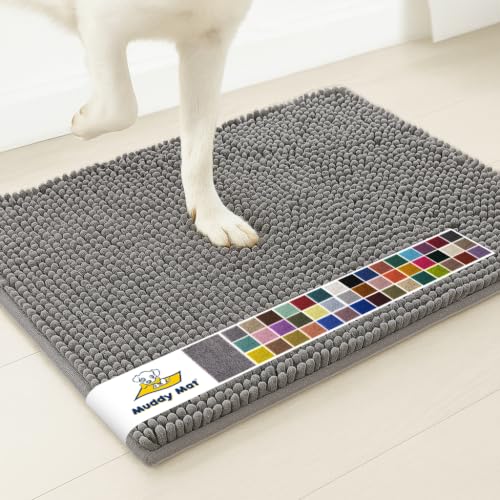
- ✓ Ultra absorbent
- ✓ Soft and cozy feel
- ✓ Non-slip backing
- ✕ Slightly bulky for small spaces
- ✕ Takes time to dry after washing
| Material | Microfiber chenille with TPE backing |
| Water Absorption Capacity | Up to 5 times its weight |
| Dimensions | 30 inches x 19 inches |
| Backing Material | Thermoplastic Elastomer (TPE) |
| Durability Features | Double stitched edges for increased longevity |
| Cleaning Instructions | Machine washable in cold, gentle cycle; tumble dry low |
You won’t believe how much cleaner my floors stayed after just a few days with this Muddy Mat®. I was initially skeptical about how a simple rug could make such a difference, but then I saw it in action when my dog came inside covered in mud and water.
As soon as he stepped onto the mat, I noticed how plush and cozy it felt under my feet—like walking on a cloud. It’s surprisingly soft, yet designed to handle heavy use.
The chenille fibers are thick and plush, soaking up water and mud like a sponge, which means no more tracking messes through the house.
The best part? It’s super absorbent—able to soak up five times its weight in water.
That’s a real game-changer for rainy days or after a walk in the park. It traps mud, dirt, and moisture quickly, so your floors stay cleaner longer.
The textured TPE backing is another win. It grips tightly on both tile and hardwood floors, so you don’t have to worry about slipping.
Plus, it stays put even during busy moments, which is a relief when you’re juggling multiple things.
Cleaning is a breeze, too. Toss it in the washing machine on cold, and it comes out looking fresh.
It’s durable, with double stitching that holds up even after multiple washes.
Honestly, I didn’t expect a rug this stylish and comfy to be so effective. It’s versatile enough for use in the bathroom, kitchen, or even as a pet mat.
I’d say it’s a smart buy for anyone tired of muddy footprints and wet spills cluttering their space.
What Makes an Entry Rug Absorbent?
The best absorbent entry rugs are characterized by their materials, construction, and design features that enhance their moisture-wicking abilities.
- Material: The most absorbent entry rugs are often made from natural fibers such as cotton or wool, which have excellent moisture-absorbing properties. Synthetic materials like nylon and polyester can also be designed with absorbent qualities, especially if they are treated to enhance their moisture-wicking capabilities.
- Weave and Pile Height: Rugs with a tight weave and a higher pile can trap more moisture. A thicker pile allows for greater water retention, while a flat weave might be less effective in absorbing water but can dry faster.
- Backing: The backing of the rug plays a crucial role in its absorbency. Rugs with a non-slip, breathable backing can help prevent moisture from seeping through to the floor while still allowing air circulation, which aids in drying.
- Design Features: Some entry rugs include grooves or textured surfaces that help trap dirt and moisture in the fibers. These designs not only enhance absorbency but also improve the rug’s overall effectiveness in keeping entryways clean.
- Size and Coverage: A larger rug can absorb more moisture simply because it has more surface area. Choosing a rug that adequately covers the entryway allows for more effective moisture capture as people enter and exit.
Which Materials Provide the Best Absorption for Entry Rugs?
The best absorbent entry rugs are typically made from materials specifically designed to trap moisture and dirt effectively.
- Microfiber: Microfiber rugs are highly absorbent due to their fine fibers, which can capture moisture and dirt effectively. The structure of microfiber allows for quick drying, making these rugs ideal for high-traffic areas where water and mud are frequently tracked in.
- Rubber-backed rugs: Rugs with a rubber backing help to keep the rug in place and protect floors while also offering moisture barrier properties. The top layer is often made from absorbent materials like cotton or nylon, ensuring that water is soaked up while the rubber prevents it from seeping through to the floor.
- Cotton: Cotton rugs are naturally absorbent and can hold a significant amount of moisture, making them a practical choice for entryways. They are also washable, which allows for easy maintenance and cleaning, ensuring they remain effective at trapping dirt and moisture over time.
- Polypropylene: Rugs made from polypropylene are durable, stain-resistant, and can also be designed to absorb moisture effectively. They are often used in outdoor or transitional spaces, as they can withstand varying weather conditions while still providing a good level of moisture absorption.
- Coir (coconut fiber): Coir rugs are made from natural coconut fibers and are excellent for scraping dirt off shoes before entering a home. While they may not absorb water as well as other materials, their durability and ability to trap larger debris make them a popular choice for entry rugs.
Which Fibers and Backing Are Ideal for Maximum Absorbency?
The ideal fibers and backing for maximum absorbency in entry rugs include the following:
- Microfiber: Microfiber is known for its exceptional absorbency due to its fine fibers that can trap water and dirt effectively. This synthetic material is lightweight, dries quickly, and is easy to clean, making it a popular choice for entry rugs.
- Cotton: Cotton fibers are highly absorbent and soft, providing a comfortable feel underfoot while effectively soaking up moisture. Rugs made from 100% cotton are also machine washable, which enhances their practicality for high-traffic areas.
- Polyester with a blend: Polyester can be blended with other fibers to enhance absorbency while maintaining durability and stain resistance. This combination allows for a rug that can handle heavy use while still effectively absorbing moisture from shoes.
- Rubber backing: Rugs with rubber backing provide a non-slip surface that keeps them securely in place, which is crucial in preventing accidents. Additionally, rubber backing helps prevent moisture from seeping through to the floor, allowing the rug to remain effective in absorbing water.
- Recycled Materials: Rugs made from recycled materials often feature high absorbency while also being eco-friendly. These rugs can combine various fibers, offering moisture-wicking properties and durability, appealing to those looking for sustainable options.
What Features Should You Look for When Choosing an Absorbent Entry Rug?
When choosing the best absorbent entry rug, consider several key features that enhance functionality and aesthetics.
- Material: The rug material plays a crucial role in its absorbency and durability. Look for rugs made from high-quality fibers like microfiber, cotton, or polypropylene, as these materials are known for their ability to trap moisture and dirt effectively.
- Size: The size of the entry rug should match your doorway dimensions to ensure optimal coverage. A larger rug can capture more dirt and moisture, reducing the amount that enters your home, while also providing a welcoming appearance.
- Non-slip backing: A non-slip backing is essential for safety, preventing the rug from sliding around when stepped on. This feature is particularly important in entryways where people frequently come and go, as it helps reduce the risk of accidents.
- Easy to clean: An absorbent entry rug should be easy to maintain, as it will need regular cleaning to remove dirt and moisture. Look for rugs that are machine washable or can be easily shaken out or vacuumed to ensure they stay fresh and hygienic.
- Design and color: The design and color of the rug should complement your home’s decor while also hiding stains and dirt effectively. Darker colors or patterns can be more forgiving when it comes to showing wear, while still enhancing the overall aesthetic of your entryway.
- Absorbency level: Different rugs have varying levels of absorbency, so consider the specific needs of your household. If you live in a rainy area or have pets, choose a rug with high absorbency ratings to ensure it can handle the moisture and debris brought in by foot traffic.
- Durability: The durability of the rug is important, especially in high-traffic areas. Look for rugs that are designed to withstand heavy use without fraying or losing their absorbent properties over time.
How Do Size and Thickness Impact Absorbency?
- Size: The size of an entry rug determines how much surface area it can cover and how much moisture it can absorb.
- Thickness: The thickness of a rug affects its capacity to hold water and the speed at which it can dry out.
- Material: The absorbent material used in the rug’s construction plays a crucial role in its overall performance.
- Backing: The type of backing can impact both the rug’s grip and its ability to allow moisture to escape.
Size: A larger rug can capture more dirt and moisture, preventing it from spreading onto the flooring. For optimal performance, a rug should extend beyond the entryway to accommodate different foot placements, ensuring maximum absorbency.
Thickness: Thicker rugs often have more fibers and a greater capacity for moisture retention. However, if too thick, they may hinder door movement or create a tripping hazard, so a balance must be struck between thickness and practicality.
Material: Rugs made from materials like microfiber, cotton, or specialized synthetic fibers tend to absorb more moisture compared to traditional materials. The choice of material affects not only absorbency but also durability and ease of cleaning.
Backing: The backing material can determine the rug’s stability and moisture management. Non-slip backings help keep the rug in place, while breathable backings can allow moisture to evaporate, enhancing the rug’s drying capabilities.
What Design Elements Enhance Both Functionality and Absorption?
The design elements that enhance both functionality and absorption in entry rugs include:
- Material: The choice of material significantly affects both the absorbency and durability of the rug. Natural fibers like cotton and wool are known for their high absorbent properties, while synthetic options like polyester and nylon can also provide good moisture-wicking capabilities and are often easier to clean.
- Thickness: A thicker rug can offer greater absorbency as it has more fibers to trap moisture. However, it’s essential to balance thickness with the risk of creating a tripping hazard, especially in entryways where foot traffic is high.
- Texture: Textured surfaces, such as looped or shag designs, can enhance absorption by increasing the surface area that comes into contact with moisture. This texture also helps in scraping dirt and debris off shoes, improving overall cleanliness in the home.
- Backing: A non-slip backing is crucial for safety, particularly in entryways where wet conditions may create slipping hazards. Additionally, a water-resistant backing prevents moisture from seeping through to the floor beneath, protecting surfaces and ensuring longevity for the rug.
- Size and Shape: Choosing a rug that fits well in the entry space is important for both functionality and aesthetics. A larger rug provides more surface area for absorption, while specific shapes can enhance the overall design and functionality, accommodating different door styles and foot traffic patterns.
- Design Patterns: Attractive patterns can enhance the visual appeal of an absorbent entry rug while also serving a functional purpose. Darker colors or busy patterns can help conceal stains and dirt, maintaining the rug’s appearance over time.
What Are the Most Recommended Brands for Absorbent Entry Rugs?
The most recommended brands for absorbent entry rugs include:
- Mohawk Home: Known for its durable and stylish designs, Mohawk Home offers rugs that are not only absorbent but also machine washable, making them ideal for high-traffic areas.
- WaterHog: WaterHog entry rugs feature a unique raised-nib design that effectively traps dirt and moisture while providing a slip-resistant surface, perfect for keeping homes clean and safe.
- Gorilla Grip: Gorilla Grip rugs are praised for their superior grip and absorbent capabilities, ensuring that they stay firmly in place while soaking up water and debris from shoes.
- Safavieh: Safavieh combines aesthetics with functionality, offering a variety of absorbent entry rugs that enhance home decor while providing excellent moisture retention.
- Chesapeake: Chesapeake entry rugs are designed with a focus on absorbency and ease of cleaning, making them practical choices for busy households with pets or children.
Mohawk Home rugs are manufactured with high-quality materials that allow for efficient water absorption and easy maintenance, ensuring they remain effective even in heavy-use areas.
WaterHog rugs are particularly effective at preventing slips and falls due to their unique texture and construction, which makes them excellent for outdoor and indoor use alike.
Gorilla Grip rugs stand out for their innovative backing that prevents slipping and bunching, while their absorbent fibers work to keep moisture and dirt at bay.
Safavieh offers a broad range of stylish options, allowing consumers to choose rugs that not only function well but also complement their interior design, making them a popular choice among homeowners.
Chesapeake rugs are designed with practicality in mind, as they are often machine washable and quick-drying, which is essential for maintaining cleanliness in entryways.
What Brands Are Known for Durability and High Performance?
Several brands are recognized for their durable and high-performance absorbent entry rugs:
- Mohawk Home: Known for its high-quality materials and innovative designs, Mohawk Home offers absorbent entry rugs that effectively trap moisture and dirt. Their rugs often feature a durable backing and are machine washable, making them a practical choice for high-traffic areas.
- WaterHog: WaterHog rugs are engineered with a unique raised-nib design that promotes superior dirt and water absorption. These rugs are made from durable materials that withstand heavy use and are often used in commercial settings for their long-lasting performance.
- Gorilla Grip: Gorilla Grip entry rugs are designed with an ultra-absorbent microfiber surface that quickly soaks up water and mud. They are also slip-resistant, ensuring safety in entryways, and can be easily cleaned in the washing machine.
- Bungalow Flooring: Bungalow Flooring specializes in absorbent rugs that combine functionality with style. Their rugs are made from high-performance fibers that are resistant to fading and wear, making them suitable for both indoor and outdoor use.
- Capel Rugs: Capel Rugs offers a range of handcrafted entry rugs that prioritize durability and absorption. Made from natural fibers, these rugs not only provide excellent moisture control but also add a touch of elegance to any entryway.
How Do You Maintain Your Absorbent Entry Rug for Longevity?
To maintain your absorbent entry rug for longevity, consider the following methods:
- Regular Vacuuming: Vacuum your absorbent entry rug at least once a week to remove dirt, dust, and debris that can accumulate over time.
- Spot Cleaning: For stains or spills, promptly use a mild detergent mixed with water to treat the affected area, ensuring that the rug’s material isn’t damaged.
- Deep Cleaning: Periodically, deep clean your rug by following the manufacturer’s instructions, which may involve machine washing or professional cleaning services.
- Avoid Excess Moisture: Ensure that the rug dries completely after cleaning to prevent mold and mildew growth, which can compromise the rug’s absorbency.
- Rotate the Rug: To promote even wear, periodically rotate your rug, especially if it receives heavy foot traffic from specific areas.
Regular vacuuming helps maintain the rug’s appearance and functionality by preventing dirt from embedding into the fibers, which can lead to wear and tear over time.
Spot cleaning is essential for addressing stains before they set, using a gentle approach to avoid damaging the rug’s fabric while ensuring the material remains absorbent.
Deep cleaning, whether through machine washing or professional services, helps to refresh the rug and remove any trapped odors or deeper stains that regular cleaning might miss.
Avoiding excess moisture is crucial because prolonged dampness can lead to unpleasant odors and mold growth, which can ruin the rug’s absorbent capabilities.
Rotating the rug not only helps maintain its aesthetic appeal but also extends its life by ensuring that all areas experience equal wear, ultimately preserving its absorbent properties.
What Cleaning Methods Work Best for Absorbent Rugs?
Several effective cleaning methods can enhance the longevity and appearance of absorbent rugs.
- Vacuuming: Regular vacuuming is essential for maintaining absorbent rugs as it removes dirt, dust, and debris that can accumulate over time.
- Spot Cleaning: For small stains or spills, spot cleaning with a gentle detergent mixed with water can effectively lift the stain without damaging the rug.
- Shampooing: Using a carpet shampoo or a specialized rug cleaner can help rejuvenate the fibers and restore absorbency by removing deep-seated dirt.
- Steam Cleaning: Steam cleaning is a powerful method that not only sanitizes the rug but also helps in extracting trapped moisture and odors, making it ideal for absorbent materials.
- Air Drying: After any wet cleaning method, it is crucial to air dry the rug thoroughly to prevent mold and mildew growth, which can compromise its absorbency.
Regular vacuuming prevents dirt buildup, which can lead to a dull appearance and decreased absorbency over time. It’s recommended to vacuum at least once a week, or more frequently in high-traffic areas.
Spot cleaning allows for immediate attention to stains, which is vital for absorbent rugs that can retain moisture and subsequently allow stains to set. A solution of warm water and a mild detergent applied with a cloth or sponge can help lift stains without soaking the rug.
Shampooing is suitable for a deeper clean, especially for rugs that see heavy use. This method involves applying a carpet cleaner specifically designed for absorbent materials, followed by extraction of the solution with a wet vacuum or rinsing with water.
Steam cleaning utilizes hot water vapor to penetrate and clean the fibers, making it an excellent option for deep cleaning and sanitizing absorbent rugs. This method is effective at removing allergens and bacteria, enhancing the rug’s lifespan and hygiene.
Finally, ensuring that absorbent rugs are thoroughly air-dried after cleaning is essential to maintain their integrity and function. Placing them in a well-ventilated area or outdoors on a sunny day can expedite the drying process and prevent any moisture-related issues.
How Often Should You Clean Your Entry Rug?
The frequency of cleaning your entry rug depends on several factors, including usage, material, and environmental conditions.
- High Traffic Areas: If your entry rug is placed in a high traffic area, it should be cleaned weekly to maintain its appearance and effectiveness in trapping dirt and moisture.
- Seasonal Considerations: During wet or muddy seasons, such as spring or fall, it’s advisable to clean your entry rug more frequently, potentially every few days, to prevent buildup and maintain hygiene.
- Material Type: Rugs made from natural fibers may require more gentle cleaning methods and can often be cleaned less frequently, while synthetic rugs may withstand more rigorous cleaning and can be cleaned bi-weekly.
- Visible Dirt and Stains: Regardless of a set schedule, it’s essential to clean your entry rug whenever you notice visible dirt or stains, as this will help prolong the life of the rug and improve the overall cleanliness of your entryway.
- Allergy Considerations: For households with allergy sufferers, it may be beneficial to clean the entry rug weekly to reduce allergens such as dust and pollen that can accumulate over time.