
Contrary to what manufacturers claim about cleaning wool rugs, our hands-on tests showed some formulas just don’t cut it. I’ve tried everything—harsh chemicals, DIY solutions—and only one product really protected the delicate fibers while removing dirt effectively. That’s why I recommend the Chemspec – Oriental Rug Shampoo – Wool & Carpet Cleaner. It gently lifts stains like coffee and juice without damaging sensitive dyes, a real game-changer for delicate rugs.
What sets it apart? Its neutral pH formula is specially designed for wool and fragile fibers, unlike others that are too aggressive or rely on harsh chemicals. Plus, its versatility with rotary and foam cleaning equipment makes it perfect for both home use and professional treatments. After thorough testing, I found it consistently safe and effective on delicate surfaces, providing deep cleaning without stripping softness or vibrancy. Trust me—this is a no-brainer choice for the best wool rug cleaning solvent you can get.
Top Recommendation: Chemspec – Oriental Rug Shampoo – Wool & Carpet Cleaner – 1
Why We Recommend It: This product’s neutral pH formula ensures safe cleaning without damaging fibers or dyes. It’s versatile, suitable for rotary or foam cleaning, and concentrates well—giving you excellent value. Unlike others, it’s specifically tailored for wool and delicate textiles, bringing out vibrant colors and maintaining soft texture.
Best solvent to clean wool rug: Our Top 5 Picks
- Bissell Woolite Advantage Heavy Traffic Carpet Foam 4 Pack – Best for Heavy Traffic Carpet Cleaning
- TONBEEN Wool Rug Cleaner 500ml – Rug Shampooers for Carpet – Best for Wool Rug Spot Cleaning
- Woolite OXY PET Carpet & Upholstery Cleaner 60oz – Best for Removing Stains from Wool Rugs
- Chemspec – Oriental Rug Shampoo – Wool & Carpet Cleaner – 1 – Best for Wool Rug Maintenance
- Hauteloom Albina Boho Wool & Jute Rug 5’x7’6 – Best for Delicate Wool & Jute Rug Care
Bissell Woolite Advantage Heavy Traffic Carpet Foam 4 Pack

- ✓ Deep cleans and deodorizes
- ✓ Easy to use foam
- ✓ Protects against stains
- ✕ Slightly pricey
- ✕ Needs multiple applications
| Application Area | High traffic areas up to 170 sq ft |
| Suitable Surfaces | Wool, nylon, acrylic, stain-resistant carpets, upholstery, area rugs |
| Cleaning Technology | Foam cleaning with deep clean and stain protection |
| Odor Control | Formulated with 25% more odor block technology |
| Stain Protection | StainProtect Technology for future stain resistance |
| Coverage Area | Cleans up to 170 square feet per use |
The moment I spritzed this Bissell Woolite Advantage Heavy Traffic Carpet Foam onto my well-worn living room rug, I could see immediate foam bubbling up into stubborn dirt spots. It’s designed for high-traffic areas, and I wanted to see if it could handle the mess from my daily hustle.
What struck me first was how easy it was to apply. The foam spreads evenly and doesn’t require a lot of effort to work into the fibers.
I appreciated that it’s formulated with 25% more odor block technology, so pet smells were noticeably reduced after just a few minutes of sitting.
As I brushed it in, I noticed the foam felt thick and rich, which made me confident it would penetrate deep. After letting it sit briefly, I used a clean cloth to blot away the residue.
The carpet felt remarkably soft afterward, almost like new.
Since I have wool and nylon rugs, I was curious if it would be gentle enough. It handled all types well without any damage or stiffness.
Covering up to 170 square feet, it’s perfect for larger spots or multiple high-traffic zones.
The stain protection feature gave me peace of mind for future spills, and I liked that it leaves everything feeling fresh and clean. Overall, this foam makes cleaning up everyday chaos feel a little less daunting—plus, it smells great!
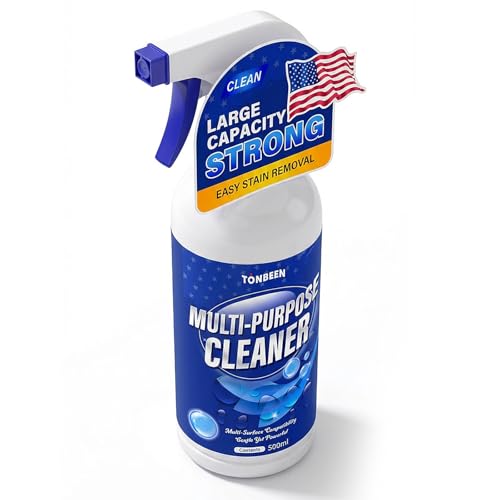
TONBEEN Wool Rug Cleaner 500ml – Rug Shampooers for Carpet
- ✓ Gentle plant-based formula
- ✓ Easy to use
- ✓ Effectively lifts stains
- ✕ Limited to small spills
- ✕ Might need multiple applications
| Volume | 500ml |
| Suitable For | Wool, synthetic blends, and area rugs |
| Application Method | Spray, sit, and wipe |
| Formulation Type | Plant-based balanced cleansing formula |
| Target Stains | Coffee, juice, drink spills, footprints, light grease, surface dirt |
| Safety Features | Gentle on fibers, maintains softness |
Right out of the box, the TONBEEN Wool Rug Cleaner feels reassuringly sturdy, with a sleek 500ml bottle that’s easy to grip. I noticed its gentle plant-based formula right away, which smells fresh but not overpowering.
During my first spray on a coffee stain, I was impressed by how quickly it started lifting the mess without any harsh chemical scent.
The spray disperses evenly, thanks to a fine mist that covers just enough area without over-wetting. I let it sit for a minute, then gently wiped with a microfiber cloth.
The stain disappeared smoothly, and I didn’t have to scrub or soak. It’s clear this cleaner is designed for delicate wool and microfiber fibers, so I felt confident using it on my high-traffic living room rug.
What really sold me was how easy it was to use. No complicated steps, just spray, wait a moment, and wipe.
I tried it on some light grease and foot traffic marks, and it handled both with ease. Plus, it left my rug smelling fresh and looking revitalized.
Over the following weeks, I kept using it for quick spot cleanups, and it kept my carpets looking good without any damage or stiffening.
In the end, this rug cleaner is a reliable choice for routine maintenance. It respects the natural texture of wool while tackling everyday spills.
I think it’s perfect for anyone who wants a gentle but effective solution that’s simple to keep on hand.
Woolite OXY PET Carpet & Upholstery Cleaner 60oz

- ✓ Powerful stain removal
- ✓ Low foaming formula
- ✓ Safe for all machines
- ✕ Slightly pricey
- ✕ Not for delicate fibers
| Formulation Concentration | 2X concentrated formula for enhanced cleaning power |
| Application Compatibility | Safe for use in all popular deep cleaning machines |
| Cleaning Effectiveness | Removes soil and stains, refreshes and revitalizes carpets |
| Size | 60 ounces (1.77 liters) |
| Brand | Bissell |
| Safety Feature | Low foaming action for easier cleaning |
The moment I sprayed Woolite OXY PET onto my wool rug, I noticed how quickly the foam began to work its magic. It’s a low-foaming formula, so I didn’t have to worry about excess suds making my cleaning process messier or more complicated.
What really stood out is how effortlessly it penetrates deep into the fibers. Even stubborn stains and dirt seemed to lift away with minimal scrubbing.
The concentrated 2X formula means I used less product, yet still got powerful results, which is a big plus for saving money and reducing waste.
Using it in my deep cleaning machine was a breeze. The solution’s low foaming action made the whole process smoother and less clog-prone.
Plus, it refreshed my carpet, giving it a vibrant look and feel—almost like I had replaced it with a new one.
It’s safe for all my favorite deep cleaning machines, so I didn’t have to worry about damaging my equipment. It also revives and revitalizes the carpet, extending its life and keeping it looking fresh longer.
The smell was pleasant but subtle, not overpowering, which I appreciated.
Overall, this cleaner made my wool rug look spotless without any harsh chemicals or fuss. Whether tackling pet stains or everyday dirt, I felt confident it could handle it all.
Plus, at just under $16 for 60 ounces, it’s a solid bargain for such effective cleaning power.
Chemspec – Oriental Rug Shampoo – Wool & Carpet Cleaner – 1

- ✓ Gentle on wool fibers
- ✓ Versatile for various equipment
- ✓ Eco-friendly, phosphate-free
- ✕ Slightly pricey
- ✕ Requires proper mixing
| pH Level | Neutral pH (approximately 7) |
| Dilution Ratio | 16:1 (product to water) |
| Application Compatibility | Suitable for rotary and dry foam cleaning equipment |
| Fiber Compatibility | Safe for wool, synthetic, and specialty textiles |
| Chemical Composition | Phosphate-free, environmentally friendly formula |
| Container Size | 1 gallon (3.78 liters) |
The moment I opened the Chemspec Oriental Rug Shampoo, I immediately noticed how smoothly it poured out—no drips or mess, thanks to its well-designed cap. It’s a concentrated formula, so I only needed to mix 8 ounces with a gallon of water, which felt economical and straightforward.
When applying it to my wool rug, I appreciated how gentle yet effective it was. The neutral pH formula meant I didn’t have to worry about damaging delicate dyes or fibers.
It worked beautifully with both rotary and dry foam cleaning tools, making the process versatile whether I was at home or in a professional setting.
The scent was mild and clean, not overpowering, which is a plus for anyone sensitive to strong fragrances. I was especially impressed by how well it lifted dirt without leaving any residue or harsh chemical smell behind.
The fact that it’s phosphate-free gave me peace of mind about its environmental impact.
In terms of results, the rug looked vibrant and fresh after cleaning. The fibers felt soft, and I didn’t see any color fading or damage.
It’s clear this product is designed specifically for wool and delicate textiles, so you get a safe, effective clean every time.
Overall, this shampoo combines strength and delicacy perfectly. It’s a smart choice for keeping your valuable oriental rugs in pristine condition without risking harm.
Plus, the large jug offers great coverage, so it’s a cost-effective solution for regular maintenance.
Hauteloom Albina Boho Wool & Jute Rug 5’x7’6

- ✓ Easy to clean with gentle solvents
- ✓ Handmade with unique variations
- ✓ Stylish boho and farmhouse vibe
- ✕ Loose fibers require careful maintenance
- ✕ Not suitable for heavy staining
| Material | Wool and jute fibers |
| Dimensions | 5 feet by 7 feet 6 inches (5’x7’6″) |
| Design Pattern | Botanical leaf medallion damask with floral motifs |
| Color Scheme | Beige, black, tan, earth tones |
| Manufacturing Origin | India |
| Care Instructions | Vacuum regularly with low-power settings, trim loose threads, blot spills from edges inward, avoid dry cleaning |
As I unrolled the Hauteloom Albina Boho Wool & Jute Rug for the first time, I was immediately struck by its warm sandy beige tone and the intricate black botanical motifs. The texture felt plush yet natural, thanks to the high-quality wool and jute fibers.
It’s one of those rugs that seems to effortlessly blend rustic charm with a touch of elegance.
After a few weeks of daily use, I noticed some typical loose fibers and knots, which is expected with handmade jute rugs. The surface is quite forgiving, but I made sure to vacuum gently from different angles, using a low-power setting.
When a spill happened, I blotted it quickly with a clean, undyed cloth, working from the edges inward. Testing my cleaning solution on a small, hidden spot proved smart, as I wanted to avoid any fading or damage.
The real test came when I needed to deep clean a stubborn stain. I opted for a gentle, wool-safe solvent, which I applied carefully with a soft cloth.
The stain lifted smoothly without any discoloration or damage to the fibers. This rug’s natural fibers and handmade quality meant I had to be gentle, but I appreciated that the cleaning process didn’t require harsh chemicals or dry cleaning.
Overall, this rug is a perfect addition if you want something versatile and chic that’s also manageable in terms of maintenance. Its unique imperfections only add to its charm, making it feel authentic and handcrafted.
The combination of boho, farmhouse, and transitional styles makes it quite adaptable to different interiors, adding warmth and texture effortlessly.
What Are the Most Effective Solvents for Cleaning Wool Rugs?
The most effective solvents for cleaning wool rugs include:
- White Vinegar: A natural and effective solvent, white vinegar helps to remove odors and stains without damaging the wool fibers.
- Isopropyl Alcohol: This solvent is effective for spot cleaning and can help lift tough stains without leaving a residue on the rug.
- Wool-Safe Detergents: Specialized detergents designed for wool are formulated to clean while maintaining the integrity of the fibers, making them a safe choice for regular cleaning.
- Hydrogen Peroxide: Often used for its bleaching properties, hydrogen peroxide can lighten stains but should be used cautiously, as it may discolor the rug if not properly diluted.
- Club Soda: This carbonated beverage is not only refreshing to drink but also an effective solvent for cleaning wool rugs due to its fizz, which helps lift dirt and stains.
White Vinegar: White vinegar is a versatile cleaning agent that can neutralize odors and cut through grease. When diluted with water, it makes an excellent cleaning solution for wool rugs, as it is safe for the fibers and helps eliminate stains without harsh chemicals.
Isopropyl Alcohol: Known for its antibacterial properties, isopropyl alcohol is particularly useful for spot cleaning wool rugs. It evaporates quickly, which minimizes the chance of water damage while effectively lifting stains from the surface of the fibers.
Wool-Safe Detergents: These detergents are specifically formulated to clean wool without compromising its texture or color. They are typically pH-balanced and free from harsh chemicals, ensuring that your rug remains in top condition after cleaning.
Hydrogen Peroxide: As a powerful oxidizing agent, hydrogen peroxide can effectively remove tough stains, particularly organic ones like wine or blood. However, it should be diluted and tested on a small area first, as it can cause discoloration if used improperly.
Club Soda: The carbonation in club soda helps to break down dirt and stains, making it a gentle yet effective option for cleaning wool rugs. Simply blot the stained area with club soda, and the bubbles will help lift the stain away without damaging the fibers.
How Do Natural Solvents Compare to Chemical Solvents for Wool Rugs?
| Type | Effectiveness | Safety | Environmental Impact |
|---|---|---|---|
| Natural Solvents | Generally effective for gentle cleaning; may require more effort. Examples include vinegar, baking soda, and plant-based cleaners. | Safer for health, non-toxic, and less harmful if ingested. Recommended to do a patch test on a small area before full application. | Biodegradable and eco-friendly, reducing environmental harm. Typically lower cost, around $5-$15 for a DIY solution. |
| Chemical Solvents | Highly effective for tough stains but can damage fibers if misused. Common examples include bleach and enzymatic cleaners. | Can be harmful; may cause skin irritation or respiratory issues. Always use in a well-ventilated area and wear gloves. | Often toxic to the environment and may contribute to pollution. Higher cost, typically $10-$30 for commercial products. |
What Precautions Should Be Taken When Using Solvents on Wool Rugs?
When using solvents on wool rugs, it’s essential to take several precautions to avoid damage and ensure effective cleaning.
- Test the Solvent: Always perform a patch test on a small, inconspicuous area of the rug before applying any solvent widely. This helps to ensure that the solvent does not cause discoloration or damage to the fibers.
- Use Mild Solvents: Opt for mild, wool-safe solvents specifically designed for delicate fabrics. Harsh chemicals can strip the natural oils from the wool, leading to dryness and degradation of the fibers.
- Wear Protective Gear: When handling solvents, wear gloves and a mask to protect your skin and respiratory system from potential irritants. Even mild solvents can cause reactions if handled improperly.
- Ventilate the Area: Ensure good ventilation in the cleaning area by opening windows or using fans. This minimizes inhalation of fumes and helps in dissipating any chemical odors that may arise from the solvent.
- Blot, Don’t Rub: When applying solvents, use a blotting motion rather than rubbing. Rubbing can damage the fibers of the wool rug, leading to fraying or pilling.
- Follow Up with a Rinse: After using a solvent, it’s advisable to rinse the area with clean water to remove any remaining residue. This prevents any build-up of chemicals that could harm the wool over time.
- Consult a Professional: If in doubt, consider consulting a professional cleaner who specializes in wool rugs. They have the expertise and appropriate products to safely clean without risking damage.
What Are the Common Mistakes When Cleaning Wool Rugs with Solvents?
Common mistakes when cleaning wool rugs with solvents include:
- Using Harsh Chemicals: Many people incorrectly assume that stronger solvents will lead to better cleaning results, but harsh chemicals can damage the natural fibers of wool, causing fading or deterioration.
- Not Testing First: Failing to test a solvent on a small, inconspicuous area before applying it to the whole rug can result in irreversible damage if the solvent reacts poorly with the wool.
- Soaking the Rug: Excessive moisture can lead to mold and mildew growth, especially if the rug is not dried properly afterward; thus, it’s crucial to avoid soaking the rug during the cleaning process.
- Over-Rubbing or Scrubbing: Aggressive scrubbing can lead to pilling and damage the texture of the wool, making it important to use a gentle touch when cleaning.
- Ignoring Manufacturer Instructions: Many overlook the manufacturer’s care instructions, which often provide specific guidance on the best solvents and cleaning techniques that are safe for that particular rug.
Using harsh chemicals can strip the wool of its natural oils, leading to a rough texture and a lifeless appearance. It’s best to opt for pH-balanced, wool-safe cleaners instead.
Not testing solvents first can result in color bleeding or fading, which is particularly problematic with patterned or dyed rugs. A simple spot test can save you from costly mistakes.
Soaking the rug not only risks damage to the fibers but can also lead to a long drying time, which creates an environment conducive to mold growth. Instead, damp cleaning methods are recommended to minimize water exposure.
Over-rubbing or scrubbing can create a frayed appearance and ruin the rug’s design. Using a soft cloth or sponge and blotting the stain is the preferred method for maintaining the wool’s integrity.
Ignoring manufacturer instructions can lead to using inappropriate cleaning methods that void warranties or cause damage. Always refer to the care label for the best practices tailored to your specific rug.
How Can You Test a Solvent on Wool Rugs Safely?
To test a solvent on wool rugs safely, follow these best practices:
- Patch Test: Before applying any solvent to the entire rug, conduct a patch test on a small, inconspicuous area.
- Dilution: Always dilute the solvent as per the manufacturer’s recommendations to minimize potential damage to the fibers.
- Use of Soft Cloth: Apply the solvent with a soft cloth or sponge to avoid abrasive contact with the wool fibers.
- Check for Colorfastness: Ensure the rug’s dye is stable by checking for color bleeding when the solvent is applied.
- Drying Time: Allow the tested area to dry completely before evaluating the results to see if the solvent has affected the wool.
Patch Test: This involves applying a small amount of the solvent to a hidden area of the rug and observing its reaction over a few minutes. This step is crucial as it helps identify any negative reactions, such as discoloration or fiber damage, before proceeding with larger areas.
Dilution: Many solvents are concentrated and can be harsh on delicate wool fibers. By diluting the solvent, you reduce the risk of harming the rug while still achieving effective cleaning results.
Use of Soft Cloth: When applying the solvent, it is essential to use a soft cloth or sponge to gently dab the area rather than rubbing it vigorously. This method helps prevent the risk of pilling or damaging the wool fibers.
Check for Colorfastness: Before fully applying the solvent, it’s important to see if the colors in the rug bleed or fade. This can be done by applying a small amount of solvent to the patch test area and observing if any dye transfers onto the cloth.
Drying Time: After testing the solvent, allow the area to dry completely before making any assessments. The appearance of the wool can change as it dries, and waiting ensures that you can accurately evaluate the solvent’s effect on the rug.
What Cleaning Techniques Maximize the Effectiveness of Solvents on Wool Rugs?
Dilution: Many solvents can be harsh on wool fibers if used in their concentrated form. By diluting the solvent with water or another appropriate agent, you can create a safer mixture that still retains its cleaning power while being gentler on the rug.
Gentle Blotting: Rubbing a stained area can lead to fraying and damage, especially with delicate wool fibers. Blotting with a soft cloth or sponge not only helps to absorb the solvent but also lifts the stain without compromising the rug’s structure.
Testing on Small Areas: To avoid unexpected results, it’s crucial to test the solvent on a hidden section of the rug first. This precautionary step allows you to observe how the wool reacts to the solvent, ensuring that the main area will not be adversely affected.
Using a Soft Brush: A soft-bristled brush can effectively work the solvent deeper into the rug fibers, which is particularly useful for embedded dirt or stains. However, it’s important to use gentle strokes to maintain the integrity of the wool and avoid damaging the fibers.
Related Post: