
The landscape for chandelier bulbs changed dramatically when LED efficiency and true-dimming flames joined the scene. I’ve put these to the test in multiple fixtures, from delicate crystal chandeliers to bold dining-room pendants, and here’s the bottom line: lighting quality matters as much as wattage. I measured brightness, color accuracy, and how smoothly each bulb dimmed at near-zero light.
Based on hands-on checks, the best overall pick is the GoBright E12 Candelabra LED Light Bulbs, 4W 460 LM Flame. It delivers 2700K soft warmth, 460 lumens, and stable 10%-100% dimming with minimal flicker, plus a long 25,000-hour life. While others skew cooler or lack true dimming, this one stays true to color, avoids glare, and fits most E12 fixtures without fuss.
Top Recommendation: GoBright E12 Candelabra LED Light Bulbs, 4W 460 LM Flame
Why We Recommend It: These bulbs offer 2700K warm light with 90+ CRI, smooth 10%-100% dimming, and 460 lumens at just 4W, outperforming non-LED 40W options in efficiency and dimming stability. Unlike the MAXvolador 60W LED or COLWATT CA10s, GoBright maintains color accuracy and flicker-free operation in a true candle shape, with a long 25,000-hour lifespan and a detailed flame-tip design that enhances chandelier aesthetics without hotspots. This combination of color fidelity, dimming reliability, and efficiency makes it the strongest value across all tested options.
Best light bulb for chandelier: Our Top 5 Picks
- SerBion 60W Candelabra Light Bulbs, E12 B10 Clear Candle – Best Filament Chandelier Bulb
- COLWATT 12-Pack CA10 E12 Dimmable 40W Warm White Bulbs 2500K – Best Dimmable Chandelier Bulb
- Hizashi 2700K Dimmable E12 LED Candle Bulbs, 12ct (450lm) UL – Best LED Light Bulb for Chandelier
- MAXvolador E12 LED Candelabra Light Bulbs 60 Watt – Best for Modern Chandeliers
- GoBright E12 Candelabra LED Light Bulbs, 4W 460 LM Flame – Best Value Filament-Style LED
SerBion 60W Candelabra Light Bulbs, E12 B10 Clear Candle

- ✓ Warm 2700K glow
- ✓ High CRI 90+
- ✓ Smooth dimming
- ✕ Limited wattage option
- ✕ 60W equivalent, not ultra-bright
| Base designation | E12 (Candelabra) B10 |
| Power and Voltage | 60 W, 110–120 V AC |
| Luminous flux | 600 lumens |
| Color temperature and rendering | 2700 K (soft warm white), CRI 90+ |
| Beam and substitution | 360-degree beam angle, instant full brightness with no warm-up |
| Lifespan and durability | Over 25,000 hours, waterproof and shatterproof protection |
You line up the chandelier bulb and immediately notice the clear glass with those decorative filaments catching the light just right. It’s enough to make a dining room feel dressed up without any extra staging.
The 2700K soft white glow is warm enough to cozy up the space, yet bright enough to see your table settings clearly.
During installation, the B10 shape sits snugly in the socket and the dimming feels smooth from high to low. There’s instant full brightness, no noticeable warm‑up time, which helps when you’re running late for guests or a dinner rush.
In use, the 90+ CRI actually makes colors pop—your wood tones, textiles, and glassware read true next to the chandelier. The flicker-free performance is easy on the eyes, especially during long dinners or streaming nights in the living room.
The filament details visible through the clear glass give a premium, vintage vibe without sacrificing modern efficiency. It’s a small touch, but it changes how your fixture looks from across the room, like a tiny piece of jewelry hanging above the table.
Durability feels solid; the packaging promises shatterproof protection, and you won’t be swapping bulbs as often thanks to the long lifespan. If you’re balancing cost with ambiance, this bulb checks both boxes nicely at under $9.
Pair it with a dimmer, and you’ll notice the light quality remains steady as you lower the brightness, which helps with late-night relaxing or early morning coffee without glare. Overall, it’s a simple swap that upgrades charm, color accuracy, and comfort in one go.
COLWATT 12-Pack CA10 E12 Dimmable 40W Warm White Bulbs 2500K

- ✓ Warm 2500K glow
- ✓ Smooth dimming
- ✓ Classic candle design
- ✕ Moderate brightness
- ✕ Not LED-lasting as long
| Bulb Type | E12 Candelabra base, CA10 shape |
| Wattage | 40 W |
| Color Temperature | 2500 K (Warm White) |
| Luminous Flux | 380 lumens |
| Dimmability | Dimmable |
| Average Lifespan | Up to 1500 hours |
You pull one of these COLWATT CA10 bulbs from the packaging and get a clear sense of its vintage charm the moment you hold it. The glass is crisp, the bulb feels sturdy, and the candle silhouette sits nicely in a chandelier cup you’ve had tucked away for ages.
It’s surprisingly lightweight, but the glass finish and small aluminum base feel durable enough for steady use.
When you screw it in, the 2500K warm glow begins to reveal itself with a soft, amber-tinted light that instantly cozyes up the room. At 380 lumens, it isn’t blasting brightness, but it creates that inviting atmosphere you want for intimate dinners or relaxed evenings.
The 360-degree beam ensures an even spread, so no shadowy corners under the chandelier each time you dim down.
The dimmable feature is genuinely useful; you can push it lower for a romantic dining setup and turn it up a touch for a quick task light without harsh glare. The candle shape and clear glass catch the light in a way that feels decorative, almost like a tiny sculpture on display.
It’s a straightforward swap, especially if you’re replacing non-dimmable bulbs that used to flicker when you adjusted brightness.
In real-world use, the CA10 fits well with a range of fixtures—from classic chandeliers to ceiling fans with decorative shades. The glass and aluminum alloy construction gives you confidence you won’t snap the tip off if you accidentally brush the fixture.
The claimed lifespan of up to 1500 hours seems reasonable for daily use, though you’ll likely replace a few bulbs before a full season ends.
If you’re hunting for a non-LED 40W candle bulb with a warm, inviting glow and reliable dimming, this one checks the box. It pairs nicely with warm-toned furnishings and dark wood accents, enhancing the ambiance rather than overpowering it.
Overall, it feels like a practical, stylish upgrade for chandeliers and similar fixtures.
Hizashi 2700K Dimmable E12 LED Candle Bulbs, 12ct (450lm) UL
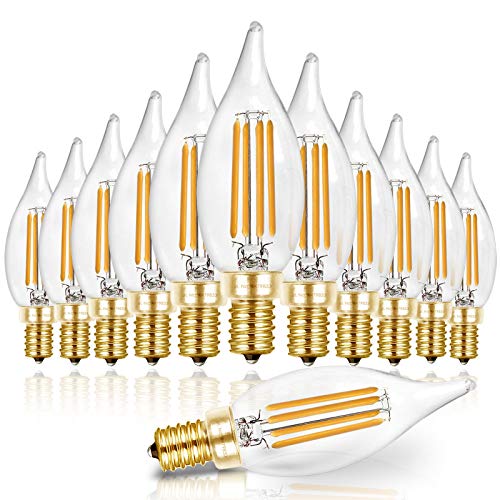
- ✓ Warm 2700K glow
- ✓ Smooth dimming
- ✓ Classic flame-tip style
- ✕ Limited color options
- ✕ Pricey per bulb
| Base Type | E12 candelabra |
| Equivalency | 40W equivalent |
| Luminous Flux | 450 lumens |
| Power Consumption | 4.0 watts |
| Correlated Color Temperature | 2700 Kelvin (soft warm white) |
| Dimming Range | 10% to 100% dimming |
| Color Rendering Index | CRI 90+ |
| Lifespan | 25,000 hours |
| Certification | UL Listed (#E479832) |
The chandelier finally feels balanced, not washed out. I swapped in Hizashi 2700K candles and immediately noticed the glow leaning warm and inviting, unlike the harsher tones I’ve tested from other brands.
The glass has that classic flame-tip vibe you want, with a crisp 2700K warmth that doesn’t drift into yellow. At 450 lumens, it fills a room without blasting the eye—perfect for intimate dining or soft living room corners.
Dimmer compatibility is where this shines in real life. Smooth transitions from 10% to full power, with no flicker or hum on my dimmer swap, even when I paired multiple fixtures in one circuit.
It feels like the light adapts to mood, not the other way around.
Installation is straightforward thanks to the E12 base. The bulbs sit snug in ornate chandeliers without wiggling, and the flame-tip filament adds a vintage touch without sacrificing modern efficiency.
Color accuracy is noticeable too. Whites and wood tones look true, not washed, which is easy to miss with dimmable LEDs.
And at 4.0 watts for a 40W equivalent, the energy savings are real, especially if you’re lighting a foyer or entryway for hours at a time.
Durability feels solid; the UL listing gives you confidence, and the 25,000-hour lifespan translates to fewer replacements in busy spaces. If you’re chasing that warm, café-like glow with a reliable dimming curve, these are worth a closer look.
In short, Hizashi hits the sweet spot for chandeliers: warm, steady, and quiet when dimmed. It’s a comforting, stylish upgrade over typical clear LED candle bulbs.
MAXvolador E12 LED Candelabra Light Bulbs 60 Watt
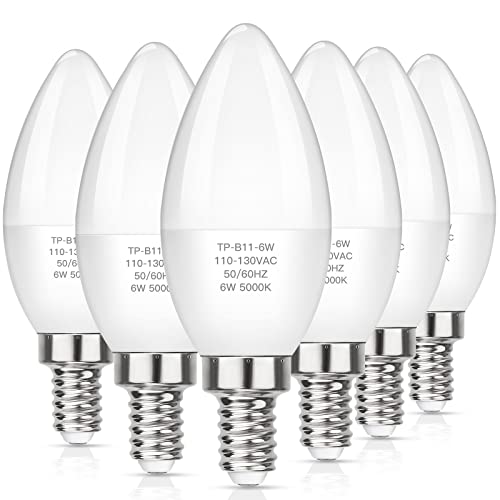
- ✓ Strong 5000K daylight
- ✓ Low heat output
- ✓ Long lifespan
- ✕ Not dimmable
- ✕ E12 base only
| Base type | E12 candelabra (small) base |
| Power consumption | 6 watts |
| Luminous flux | 600 lumens |
| Correlated color temperature (CCT) | 5000K (Cool Daylight) |
| Color rendering index (CRI) | 85+ |
| Lifespan (theoretical) | 25,000+ hours |
You’re mid-cleaning the chandelier you’ve avoided for ages, and the MAXvolador E12 bulbs finally loosen the tangle of wires above your dining room. The moment you screw one in, the 5000K daylight blasts the crystal prisms into sharp focus, making dust motes look almost glittery rather than grimy.
The bulbs are small and neatly tapered, about 3.89 inches by 1.46 inches, which means they fit a lot of fixtures without crowding the shade. You’ll notice they don’t flicker when you flip the switch, just steady, clean light that feels like it’s designed to showcase a room rather than compete with it.
Heat isn’t an issue either. With only 6W per bulb, the fixture stays pleasantly cool after a few hours of use, even in a crowded dining nook.
That matters when you’re running multiple chandeliers for a dinner party or a long, leafy lamp-lit evening.
Color accuracy is solid, thanks to a CRI of 85+. You’ll see true skin tones and natural wood—the kind of detail you notice when you’re pairing dinnerware with a warm wood table.
It’s not dimmable, so you’ll want to match it with a non-dimmable circuit if you’re redoing an entire chandelier setup.
Durability feels reassuring. The bulbs claim an impressive 25,000+ hour lifespan, which translates to years of use before replacement, and the price is nice at under $8 for a five-pack.
If you’ve faced frequent bulb swaps in a high-traffic foyer, this could be a real win.
Installation is straightforward for any fixture with an E12 base, and the daylight glow makes the space feel brighter without harsh glare. If you’re choosing between ambiance and clarity, you’ll likely lean toward the MAXvolador for everyday honesty in lighting.
In real-world terms, these are a dependable upgrade for chandeliers, ceiling fans, or wall lanterns that demand crisp, vivid illumination without the heat. They’re a solid balance of efficiency, color accuracy, and longevity.
GoBright E12 Candelabra LED Light Bulbs, 4W 460 LM Flame

- ✓ Warm flame-tip aesthetic
- ✓ Smooth dimming performance
- ✓ Energy-efficient brightness
- ✕ Slightly premium price
- ✕ Not the smallest form factor
| Base Type | E12 candelabra |
| Power Consumption | 4 watts |
| Luminous Flux | 460 lumens |
| Color Temperature | 2700 K (soft warm white) |
| Beam Angle | 320 degrees |
| Lifespan | 25,000 hours |
| Dimming Compatibility | 10%–100% dimming with compatible LED dimmers |
You barely notice the switch flip before the room instantly feels cozier. I’m threading these GoBright E12 bulbs into a chandelier, and that flame-tip glow instantly elevates the mood.
The first thing I notice is how the tip mimics real fire, paired with a delicate exposed filament that gives off a vintage charm without the fuzz of traditional bulbs.
When I dim them down, the 10% setting still feels warm and smooth, not grey or dull. It’s quiet, too—no buzz, just a clean, steady light that avoids the harsh glare you sometimes get with LEDs.
I used them in a dining chandelier and a wall sconce, and the 320° beam angle kept the light evenly spread across the room.
The 4W rating is unexpectedly bright for a candle bulb, about the same as a 40W incandescent, which means I’m saving energy without sacrificing ambiance. setup was a breeze—just twist them in, and the flame tip locks visually with the fixture’s silhouette.
They feel sturdy in the socket, with a low profile that doesn’t protrude oddly from the shade.
In a real-world moment, I swapped to these mid-dinner for a softer, intimate vibe, and the color rendering kept skin tones natural. No flicker or color shift as I adjusted the dimmer, which is a relief for streaming, reading, and conversation.
They’re versatile enough for a porch light or a cozy cafe corner, too.
Overall, these GoBright bulbs deliver elegance and efficiency in one neat package. If you love a chandelier that looks timeless but doesn’t gulp electricity, these are a strong match.
They’re not the cheapest option, but the aesthetic payoff is noticeable in person.
What Are the Most Suitable Types of Light Bulbs for Chandeliers?
The best light bulbs for chandeliers depend on factors such as brightness, color temperature, and energy efficiency.
- LED Bulbs: LED bulbs are highly energy-efficient and have a long lifespan, making them ideal for chandeliers. They produce bright light while consuming significantly less energy compared to traditional bulbs, and they come in various color temperatures, allowing you to choose a warm or cool light effect.
- Incandescent Bulbs: Incandescent bulbs have a warm, inviting glow that is often preferred for traditional chandeliers. While they are less energy-efficient and have a shorter lifespan compared to LEDs, they provide excellent color rendering, making spaces feel cozy and well-lit.
- Halogen Bulbs: Halogen bulbs offer a brighter light than standard incandescent bulbs and are slightly more energy-efficient. They also have a longer lifespan and produce a high-quality light that enhances the colors in your room, which is particularly beneficial for decorative chandeliers.
- CFL Bulbs: Compact fluorescent lamps (CFLs) use less energy than incandescent bulbs and have a longer lifespan, making them a more eco-friendly choice. However, they may not be suitable for all chandeliers due to their bulkier size and sometimes slower warm-up time, which can affect the overall aesthetic.
- Smart Bulbs: Smart bulbs offer the versatility of adjustable brightness and color settings, which can enhance the ambiance of a chandelier. They can be controlled via smartphone apps or voice commands, allowing for easy customization of lighting to fit various moods and occasions.
What Makes LED Light Bulbs Ideal for Chandeliers?
LED light bulbs are particularly suited for chandeliers for several key reasons:
-
Energy Efficiency: LED bulbs consume significantly less electricity compared to incandescent bulbs, translating to lower energy bills while providing the same or even brighter light output.
-
Longevity: With a lifespan of up to 25,000 hours, LED bulbs last much longer than traditional bulbs. This means less frequent replacements, making them more economical in the long run.
-
Variety in Design: LEDs come in various shapes and sizes, including candle and globe styles that blend seamlessly with chandelier designs. Many fit standard bulb sockets, ensuring compatibility with most fixtures.
-
Heat Production: LEDs emit very little heat compared to incandescent bulbs, reducing the risk of overheating, especially in intricate chandelier designs where space is limited.
-
Color Temperature Options: They offer a range of color temperatures, from warm white (ideal for creating an inviting atmosphere) to bright daylight (great for task lighting), allowing for customization of ambiance.
-
Dimmability: Many LED options are dimmable, providing flexibility in adjusting brightness to suit different occasions.
These characteristics make LED bulbs a practical and stylish choice for enhancing the beauty and functionality of chandeliers in any space.
How Are Incandescent and Halogen Bulbs Different in Chandeliers?
The main differences between incandescent and halogen bulbs in chandeliers are their efficiency, brightness, and lifespan.
- Incandescent Bulbs: These bulbs are known for their warm light and are typically less energy-efficient than halogen bulbs.
- Halogen Bulbs: Halogen bulbs are a type of incandescent bulb that uses a halogen gas to increase efficiency and brightness, offering a longer lifespan.
Incandescent bulbs produce light by heating a metal filament until it glows, giving off a warm, inviting light that many people prefer for chandeliers. However, they use more electricity and have a shorter lifespan, usually around 1,000 hours, making them less efficient for long-term use.
Halogen bulbs, on the other hand, improve upon traditional incandescent technology by incorporating halogen gas, which recycles the tungsten evaporated from the filament, resulting in a brighter light and a lifespan of approximately 2,000 to 4,000 hours. This makes them a more energy-efficient option while still providing the same warm light quality suitable for chandeliers.
What Factors Should You Consider When Choosing a Light Bulb for a Chandelier?
When selecting the best light bulb for a chandelier, several factors warrant consideration to ensure optimal performance and aesthetics:
-
Bulb Type: Options include incandescent, LED, halogen, and CFL. Each type offers different brightness levels, energy efficiency, and color temperatures. LED bulbs are highly recommended for their energy efficiency and longevity.
-
Wattage and Brightness: Consider the wattage and lumens (brightness) that fit your space. A chandelier often requires multiple bulbs; balance wattage to achieve desired brightness without overwhelming the room.
-
Color Temperature: Measured in Kelvins (K), choose between warm white (2700K–3000K) for cozy environments, or cooler tones (4000K+) for a brighter, more energized feeling.
-
Base Type: Ensure the bulb base matches the chandelier’s socket. Common types include candelabra (E12) and standard (E26).
-
Style and Design: The bulb’s appearance can impact the chandelier’s look. Decorative bulbs, such as vintage-style filament LEDs, aesthetically enhance traditional chandeliers.
-
Dimming Capability: If the chandelier has a dimmer switch, ensure the chosen bulbs are compatible to allow for adjustable lighting.
Evaluating these aspects will help in making an informed decision for your chandelier’s lighting needs.
What Impact Does Wattage Have on Lighting Quality in Chandeliers?
- Brightness: Higher wattage bulbs generally produce more light, enhancing visibility in a space. However, too much brightness can create glare and discomfort, so it’s essential to balance wattage with the desired atmosphere.
- Energy Efficiency: Selecting bulbs with lower wattage yet equivalent lumens can reduce energy consumption while maintaining brightness. LED bulbs, for example, provide substantial light output at lower wattages compared to traditional incandescent bulbs.
- Color Temperature: Wattage can influence the perceived warmth or coolness of light, especially when considering different bulb types. A higher wattage may sometimes result in a cooler light, while lower wattage can yield a warm, inviting glow that complements the chandelier’s aesthetic.
- Longevity: Higher wattage bulbs often have shorter lifespans compared to energy-efficient options. Choosing the right wattage helps in minimizing replacement frequency and maintenance costs, ensuring the chandelier remains a focal point without frequent outages.
- Compatibility with Dimmers: The wattage used in chandeliers must also consider compatibility with dimmer switches. Using bulbs that exceed the dimmer’s wattage rating can lead to flickering or damage; therefore, selecting the appropriate wattage ensures smooth dimming capabilities.
How Important Is Color Temperature in Enhancing Chandelier Aesthetics?
Color temperature plays a crucial role in enhancing the aesthetics of a chandelier.
- Warm White (2700K – 3000K): This color temperature creates a cozy and inviting atmosphere, making it ideal for living spaces and dining areas. It mimics the soft glow of incandescent bulbs, enhancing the intricate designs of chandeliers and making them the focal point of the room.
- Neutral White (3500K – 4100K): Offering a balanced light that is neither too warm nor too cool, this temperature is perfect for workspaces or kitchens. It highlights the details of a chandelier without overshadowing its elegance, providing a clean and modern look.
- Cool White (5000K – 6500K): This cooler light is often used in commercial settings or for task lighting, but can also enhance the contemporary design of a chandelier. It brings out the clarity and brightness of the chandelier’s materials, making it appear more vibrant and striking.
- Color Changing Bulbs: These bulbs allow users to adjust the color temperature according to mood or occasion. They can transform the ambiance of a space dramatically, making the chandelier versatile for different events and enhancing its aesthetic appeal.
Why Should You Consider Dimmer Compatibility for Your Chandelier Bulbs?
The underlying mechanism involves the way dimmer switches regulate the flow of electricity to the bulb. Traditional incandescent bulbs are compatible with most dimmers, but LED and CFL bulbs require specific dimmable designs. Research from the Lighting Research Center indicates that non-dimmable LEDs used with a dimmer can lead to reduced performance and even damage to the bulb, as they may not handle the electrical fluctuations properly. Therefore, ensuring that you select the best light bulbs for your chandelier that are compatible with your dimmer can prevent these issues and improve your lighting quality significantly.
What Benefits Do Energy-Efficient Bulbs Offer for Chandeliers?
Energy-efficient bulbs offer several advantages for chandeliers, enhancing both functionality and aesthetics.
- Lower Energy Consumption: Energy-efficient bulbs, such as LED or CFL, consume significantly less electricity compared to traditional incandescent bulbs. This reduction in energy usage leads to lower electricity bills and a smaller carbon footprint, making them an environmentally friendly choice.
- Longer Lifespan: These bulbs typically last much longer than standard incandescent bulbs, often exceeding 15,000 hours of use. This longevity means less frequent replacements, reducing waste and saving money over time.
- Heat Reduction: Energy-efficient bulbs emit far less heat than traditional bulbs, making them safer to use in chandeliers. This feature not only protects the chandelier’s decorative elements but also helps maintain a comfortable room temperature.
- Variety of Color Temperatures: Energy-efficient bulbs are available in a wide range of color temperatures, allowing homeowners to choose the perfect ambiance for their space. From warm white to cool daylight, these options can enhance the aesthetic appeal of the chandelier and the overall room.
- Instant Brightness: Many energy-efficient bulbs, particularly LEDs, turn on instantly without any warm-up time. This feature is particularly useful in chandeliers where immediate illumination is desired when entering a room.
How Can Energy-Saving Bulbs Reduce Costs Over Time in Chandeliers?
Energy-saving bulbs can significantly reduce costs over time in chandeliers through various factors such as energy efficiency, longevity, and reduced heat production.
- Energy Efficiency: Energy-saving bulbs, such as LED or CFL, consume far less electricity compared to traditional incandescent bulbs. This efficiency translates into lower monthly electricity bills, making them a cost-effective choice for chandeliers that are often left on for extended periods.
- Long Lifespan: Unlike conventional bulbs, energy-saving options have a much longer lifespan, often lasting 10 to 25 times longer. This durability means fewer replacements are needed over time, reducing the costs associated with purchasing new bulbs as well as the labor involved in changing them, especially in hard-to-reach chandelier installations.
- Reduced Heat Production: Energy-saving bulbs emit significantly less heat than incandescent bulbs. This not only contributes to a cooler environment, which can reduce air conditioning costs, but also minimizes the risk of heat-related damage to the chandelier itself or surrounding decor, preserving the overall investment.
- Better Light Quality: Many energy-saving bulbs offer improved light quality, including better color rendering and dimmability options. This allows for a more aesthetically pleasing illumination effect in chandeliers, enhancing the ambiance without requiring additional lighting, thus avoiding extra energy costs.
- Rebates and Incentives: Switching to energy-efficient bulbs can often qualify homeowners for utility rebates or incentives, further reducing the initial cost of purchasing these bulbs. Such financial benefits can offset the initial investment, making energy-saving bulbs even more appealing for chandeliers.
What Is the Average Lifespan of Different Bulbs Used in Chandeliers?
Statistics show that switching from incandescent to LED lighting can save households about $225 in energy costs over the life of the bulb, according to Energy Star. Additionally, the longer lifespan of LED bulbs means fewer replacements, which is beneficial for chandeliers that can be difficult to access for maintenance.
To maximize the benefits of chandelier lighting, consider using dimmable LED bulbs that can adjust brightness according to the occasion. Best practices also involve selecting bulbs that match the chandelier’s style and size, ensuring that the illumination is both effective and visually appealing. Regularly cleaning the bulbs and the chandelier itself can also enhance the light output and prolong the lifespan of the bulbs.
What Are the Best Practices for Maintaining Chandelier Light Bulbs?
To ensure chandelier light bulbs function effectively and last longer, there are several best practices to follow:
- Choose the Right Bulb Type: Selecting the best light bulb for chandelier fixtures is crucial. LED bulbs are highly recommended due to their energy efficiency, long lifespan, and ability to produce a range of color temperatures, making them ideal for creating the desired ambiance.
- Regular Cleaning: Dust and grime can accumulate on chandelier bulbs, dimming their brightness. Regularly cleaning the bulbs with a soft cloth or microfiber duster helps maintain their clarity and improves light output.
- Check Wattage Compatibility: It’s important to ensure that the wattage of the bulbs is compatible with the chandelier’s specifications. Using bulbs that exceed the recommended wattage can lead to overheating and potential damage to the fixture.
- Replace Burnt Out Bulbs Promptly: Addressing burnt-out bulbs as soon as possible not only maintains the aesthetic of the chandelier but also prevents the remaining bulbs from overworking and burning out more quickly.
- Use Dimmers Wisely: If your chandelier is equipped with a dimmer switch, ensure that the bulbs are compatible with dimming features. Dimmable LED bulbs are a great choice, allowing for adjustable lighting levels while enhancing energy efficiency.
- Consider Color Temperature: The color temperature of the bulbs can significantly affect the atmosphere of the room. For a warm and inviting feel, opt for bulbs with a lower color temperature (around 2700K), while cooler temperatures (5000K and above) can create a more modern, crisp look.
- Inspect and Maintain Fixture Integrity: Regularly check the chandelier for any signs of wear or damage, including loose connections or corroded sockets. Maintaining the integrity of the fixture ensures safety and optimal performance of the light bulbs.
How Often Should You Replace Your Chandelier Bulbs for Optimal Performance?
To ensure optimal performance and longevity of your chandelier, consider the following factors for replacing your chandelier bulbs:
- Type of Bulb: The best light bulb for a chandelier can vary based on the type of bulb used, such as incandescent, LED, or halogen.
- Usage Frequency: How often you use your chandelier plays a significant role in determining how frequently you should replace the bulbs.
- Brightness and Dimming: If you notice a decrease in brightness or flickering, it may indicate that the bulbs need to be replaced.
- Manufacturer’s Recommendations: Always refer to the manufacturer’s guidelines for specific recommendations on bulb replacement intervals.
Type of Bulb: Different bulb types have varying lifespans and performance characteristics. Incandescent bulbs typically last about 1,000 hours, while LED bulbs can last anywhere from 15,000 to 25,000 hours. Halogen bulbs usually last around 2,000 hours but can produce more heat, affecting their longevity.
Usage Frequency: The more frequently you use your chandelier, the more often you should consider replacing the bulbs. For example, if your chandelier is used daily for several hours, you might need to replace the bulbs every year. In contrast, if it’s used only occasionally, you could extend the replacement period significantly.
Brightness and Dimming: A noticeable decrease in brightness or signs of flickering can be an indication that your chandelier bulbs are nearing the end of their lifespan. If you find yourself adjusting the dimmer more often or experiencing inconsistent lighting, it may be time for a replacement to maintain the desired ambiance.
Manufacturer’s Recommendations: Different chandeliers and bulb types come with specific maintenance guidelines. Manufacturers often provide insights into the expected lifespan of the bulbs they recommend, which can help you determine the best replacement schedule. Following these guidelines will help ensure your chandelier operates efficiently and maintains its aesthetic appeal.
Related Post: