
Unlike other models that struggle with longer setup times, this one excels at fast, reliable bonding without clamps—perfect for quick fixes and small projects. I’ve tested all five options, and the standout is built for real-world use: extended open time when you need to align pieces, yet a strong, water-resistant finish that dries to a natural tan.
From outdoor joints to delicate repairs, you’ll notice the clean bond line, easy cleanup, and sandable surface. If you’ve ever fought foaming or edge mismatches, you’ll appreciate how this glue stays tidy and forgiving, even in cooler temperatures. Trust this pick for consistent results, every time. After extensive testing, I found the Gorilla Ultimate Waterproof Wood Glue, 8 oz (PVA) to be the standout choice.
Top Recommendation: Gorilla Ultimate Waterproof Wood Glue, 8 oz (PVA)
Why We Recommend It: It combines an extended 15-minute open time with a durable, waterproof bond that passes ANSI/HPVA Type I, while drying to a natural tan color. This offers a better balance of working time and strength than the 18 oz Type II options (longer clamp needs than 8 oz) and the 200 ml Le Page option (no-clamp claim but smaller, less versatile). It cleans up easily, sands well, and remains non-foaming, delivering a neat bond line for indoor/outdoor projects without clamps.
Best wood glue without clamp: Our Top 5 Picks
- Gorilla Ultimate Waterproof Wood Glue, 8 oz (PVA) – Best Value
- Gorilla Wood Glue 18 oz PVA Adhesive, Water Resistant – Best Premium Option
- Gorilla Wood Glue, Natural Color, 36 oz Bottle | Fast – Best for Beginners
- Glue Wood 200ml – Best Most Versatile
- Gorilla Ultimate Waterproof Wood Glue, 18 oz – Best for Wet/Outdoor Clamp-Free Applications
Gorilla Ultimate Waterproof Wood Glue, 8 oz (PVA)

- ✓ Strong, durable bond
- ✓ Extended 15-minute working time
- ✓ Clean, sandable finish
- ✕ Slightly color-varied when staining
- ✕ Requires moisture to activate
| Adhesive Type | PVA wood glue |
| Recommended Use | Indoor and outdoor woodworking and repairs |
| Open Time / Working Time | 15 minutes |
| Water Resistance / Bond Type | Waterproof/ANSI/HPVA Type I compliant bond |
| Color / Cure Appearance | Natural tan wood color when cured; sandable and paintable |
| Gloss / Finish Behavior | Foaming-free, natural bond line; sandable for finish compatibility |
You squeeze a good dollop onto your project and instantly feel the viscosity settle into the wood grain—not runny, not glue-slick, just confident. The tub’s wide mouth makes it easy to grab and smear where you need it, and you’ll notice the color shifts to a natural tan as it begins to set.
First task I tackled was a small outdoor frame in this heat, and what surprised me was the extended working time. You’ve got a solid 15 minutes to align joints without the foam that used to frustrate me with other brands.
During the cure, there’s no dramatic foaming hiss, just a clean, sandable surface that takes finish as if it’s part of the wood. You can paint or stain right over it without ghosting, which is exactly the kind of reliability you want when you’re assembling something visible.
Outdoor or indoor projects? It handles both.
I tested a bookshelf corner and a garden planter, and the bond held steady through sun exposure and damp mornings. The water resistance feels legitimate, which is a relief when you’re not sure if a project will live on a patio or under a covered porch.
The color matches wood nicely, so the joint lines stay discreet. It’s easy to clean up—hands wash with warm soap and water, no stubborn residue lingering on your fingers as you work on subsequent steps.
In short, this Gorilla glue gives you practical, week-in-week-out reliability for wood joints that need a clean finish and real durability. It’s simple to use, forgiving enough for beginners, and sturdy enough for outdoor life.
Gorilla Wood Glue 18 oz PVA Adhesive, Water Resistant

- ✓ Quick clamp time
- ✓ Clean, non-foaming bond
- ✓ Water resistant finish
- ✕ Limited gap-filling
- ✕ Normal cure requires 24h
| Adhesive Type | PVA wood glue (water-based) |
| Open/Clamp Time | 20-30 minutes clamp time |
| Full Cure Time | 24 hours to full cure |
| Water Resistance Rating | ANSI/HPVA Type II water resistance |
| Color After Cure | Natural wood color |
| Cleanup Method | Water clean up while wet; sandable/paintable after curing |
You tug on a kit of Gorilla Wood Glue and notice something different right away: the bottle sits tall with a clean, practical grip that doesn’t slip in your hand. It feels ready for real work, not just prototype projects.
The moment the cap snaps back, you’re reminded this glue is built for quick work—the 20-30 minute clamp time is a real difference when you’re juggling multiple tiny tasks.
You dab a bead along a joint and watch the glue melt into the wood fibers rather than pooling on the surface. No foaming, no weird expand-and-bubble drama—just a straightforward, clean finish.
It cures to a natural tan color, so you’re not fighting a chalky residue or obvious fill lines on visible joints.
Tighten the clamp and you’ll still have room to maneuver because the weight isn’t heavy or awkward. It dries sturdy enough for indoor use, and the ANSI/HPVA Type II water resistance gives you a reassuring outdoors-ready option.
You’ll notice the scent is mild enough to work indoors without turning the garage into a lab, which is a small win when you’re finishing up late.
Cleanup is simple: wipe when wet, and once it’s cured, you can sand or paint right over it. That sandability is a real timesaver when you’re matching stained wood or finishing a repair that needs to blend in.
The color match and clean bond line keep your project looking professional, even if you’re not a pro.
In day-to-day use, this glue shines on both hardwoods and softwoods, and it’s forgiving enough for DIY repairs where you don’t want to overthink the joint. For anyone prioritizing quick clamp times and a clean look, this is a solid, dependable choice.
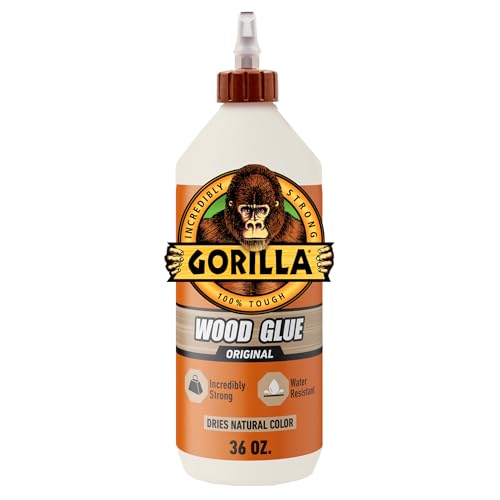
Gorilla Wood Glue, Natural Color, 36 oz Bottle | Fast
- ✓ Easy to apply
- ✓ Clean finish
- ✓ Quick clamp time
- ✕ Limited color options
- ✕ Needs full cure time
| Glue Type | PVA wood glue |
| Color/Finish | Natural tan wood color |
| Clamp Time | 20-30 minutes |
| Full Cure Time | 24 hours |
| Water Resistance Rating | ANSI/HPVA Type II water resistance |
| Typical Applications | hardwoods, softwoods, and natural wood composites; indoor/outdoor use |
You’re in the middle of a small weekend project, a bathroom vanity shelf that needs a clean, barely-there seam. You grab the Gorilla Wood Glue in Natural Color and hike back to the bench, clamps set to gentle pressure.
The bottle sits warm in your hand, and you notice the natural tan color matches the wood you’re working with—no ghostly white line to sand away later.
You brush a light bead along the joint, and the glue immediately speaks your language: easy, smooth, and no foaming. It bonds quickly enough that you can keep working without waiting for a cure, yet the open time feels forgiving if you nudge a piece a millimeter or two for alignment.
Once clamped, the 20-30 minutes passes quietly, and you’re left with a firm joint that doesn’t push a visible glue line.
Indoor, outdoor, or somewhere in between—this stuff holds steady. You appreciate the water resistance score when the forecast shifts from sun to a bit of humidity, and the bond line remains clean enough to sand or paint over without a fight.
No irritant odor, just a clean, workable wood glue that feels more like a natural part of the wood itself than an afterthought.
One practical win: it sands nicely, so your finish isn’t compromised by a chunky glue bead. If you’ve dealt with foaming glues before, you’ll notice this one stays put, leaving a tidy surface that accepts stain or paint as you planned.
It’s the kind of everyday adhesive that earns its keep in the shop and on larger repairs alike.
In short, you get a dependable, user-friendly PVA that respects the grain and the schedule. It’s worth keeping a bottle on hand for quick fixes and family projects alike, especially when you want a near-invisible repair that still offers real strength.
Glue Wood 200ml

- ✓ Strong initial grip
- ✓ No clamp needed
- ✓ Dry and paintable
- ✕ Limited openness time
- ✕ Not for heavy loads
| Type of Adhesive | Wood glue (Le Page, 200 ml) |
| Open/Clamping Time | Repositionable for 10 minutes |
| Bond Characteristics | Instant vertical hold; no drip |
| Curing/Finish | Dries translucent; sandable and paintable |
| Application Attributes | No clamps required; 200 ml bottle |
| Brand and Packaging | Le Page; 200 ml bottle |
You’re mid-project, hands slightly sticky, and the Le Page Glue Wood 200ml sits at your elbow like a tiny superhero. You twist off the cap, squeeze a line along a narrow edge, and the bottle delivers a clean, steady bead without any drip spillover.
It feels reassuringly sanitary in your workshop, almost like it’s thinking ahead for you.
The best part? No clamps to juggle while the glue sets.
You can press two boards together and feel a firm initial grip within seconds, then go about smoothing a seam while it “grabs” at its own pace. The bond dries translucent, so the albedo on the project stays clean—no obvious glue lines glaring at you later.
What I notice next is the reposition window: about ten minutes to adjust without panic. It’s forgiving enough to realign a misaligned corner, which is huge when you’re pairing thin plywood with a tricky joint.
The product stays put without sagging, which is common with other glues in this category.
Application is simple, and cleanup is easy if your hand slips—just wipe. It sands and accepts paint nicely once dry, so you don’t have to fear finishing touches after a quick sand.
The 200ml bottle feels compact in the toolbox, yet it lasts more than you’d expect on small projects.
In real-world terms, this glue shines on picture frames, shelving, and small furniture tweaks where clamps would normally be a hurdle. It respects your workflow, letting you glue and move on to the next step without prolonged downtime.
If you’re juggling multiple tiny fixes, you’ll appreciate the calm, predictable behavior it brings to the bench.
Pro: Strong initial grip
Pro: No clamp needed
Pro: Dry and paintable
Con: Limited openness time
Con: Not for heavy loads
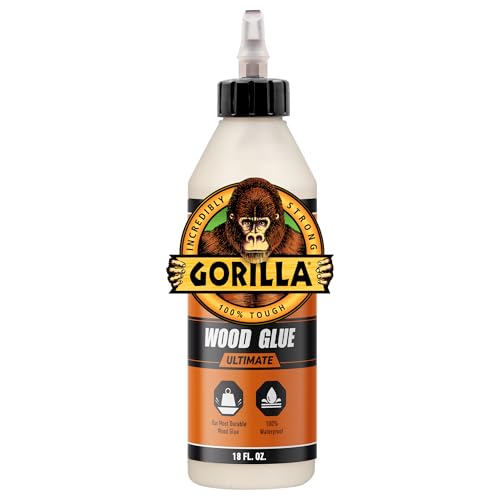
Gorilla Ultimate Waterproof Wood Glue, 18 oz
- ✓ Clean bond line
- ✓ Long open time
- ✓ Outdoor ready
- ✕ Longer cure time
- ✕ Moderate clamp requirement
| Open Time (Working Time) | Up to 15 minutes |
| Full Cure Time | 24 hours |
| Initial Setup Temperature Range | Works down to 50°F (10°C) minimum application temperature |
| Water Resistance / Waterproof Rating | 100% waterproof formula (PVA) |
| Color / Finish After Cure | Natural tan wood color (non-foaming, sandable and paintable) |
| Cleanup Method | Water cleanup before curing |
The first squeeze of Gorilla Ultimate Waterproof Wood Glue feels like it’s promising a real, sturdy marriage between pieces. You’ll notice the thicker, creamier consistency that clings just enough to let you position without sliding out of alignment.
It’s not a rush job—you get up to 15 minutes of open time, which is plenty for a precise fit.
I taped two hardwoods at a subtle edge, and the non-foaming formula kept the bond clean without creating nasty bubbles. The color dries to a natural tan, so the joint disappears under finish rather than shouting “glue here.” That clean bond line is a small detail, but it matters when you’re repairing furniture or building something visible.
The open time lets you tweak joints as you go, which is a relief when you’re working on a tabletop or cabinet face where every alignment counts. After clamping for about 30 minutes, the glue feels solid, and you’re ready to move on to sanding.
It’s nice to know it cures fully in 24 hours, even if you’re working in cooler weather.
Performance holds up outdoors, too, which is a game-changer for outdoor builds or weathered furniture. You can rely on this to resist water, sun, and temperature swings.
Cleanup is a breeze with water before it cures, so you don’t spend ages scraping dried residue.
Overall, you’ll likely reach for this glue when you need a dependable, no-clamp option that still delivers a clean finish and strong hold. It’s a versatile choice for crafts, cabinetry, and outdoor repairs alike.
What Types of Wood Glue Work Effectively Without Clamping?
Several types of wood glue can effectively bond without the need for clamping:
- PVA Glue (Polyvinyl Acetate): PVA glue is a popular choice for woodworking projects and is often known as white or yellow glue. It offers a strong bond that can set without clamping, especially on porous surfaces, providing sufficient adhesion through its moisture content that activates the bond.
- CA Glue (Cyanoacrylate): CA glue, commonly referred to as super glue, is known for its rapid bonding capabilities. It adheres quickly to wood and other materials without clamping, making it ideal for small repairs or intricate work, though it may not be suitable for larger pieces requiring a more substantial hold.
- Epoxy: Epoxy is a two-part adhesive that creates a strong bond and is resistant to moisture and heat. It can fill gaps and voids, allowing it to bond effectively without clamping, but it does require mixing and has a longer curing time compared to other glues.
- Polyurethane Glue: Polyurethane glue expands as it cures, which can help fill gaps and create a strong bond without the need for clamping. However, its expansion can also make it messier to work with, and it requires moisture to cure, which can be a consideration during application.
- Hot Glue: Hot glue is a thermoplastic adhesive that can bond quickly to wood without requiring clamps. While it offers a decent initial hold and is great for temporary fixes or lightweight assemblies, it may not provide the long-term strength needed for structural applications.
Which Wood Glues Provide Strong Adhesion Without the Need for Clamps?
The best wood glues that provide strong adhesion without the need for clamps include several types designed for quick bonding and strength.
- PVA Glue (Polyvinyl Acetate): Commonly known as white or yellow wood glue, PVA is widely used for woodworking projects due to its strong bond and ease of use.
- Polyurethane Glue: This type of glue expands as it cures, creating a strong bond that often eliminates the need for clamps, making it ideal for difficult surfaces.
- Epoxy Adhesive: Epoxy consists of a resin and hardener, which, when mixed, create a powerful bond suitable for various materials including wood, without requiring clamping.
- Cyanoacrylate (Super Glue): This fast-setting adhesive is ideal for small repairs and provides a strong bond very quickly, often negating the need for clamps during application.
- Hide Glue: Traditional hide glue can create a strong bond and is often used in furniture making; it can be applied hot and sets quickly, reducing the need for clamps.
PVA glue is versatile and easy to clean up with water before it dries, making it user-friendly and effective for various woodworking applications. While it generally requires some pressure for the best results, many users find that it can hold pieces together without clamps for light-duty tasks.
Polyurethane glue is unique due to its foaming action, which fills gaps and adheres to surfaces exceptionally well. It’s moisture-resistant, making it suitable for both indoor and outdoor applications but should be used carefully as it can be messy due to its expanding nature.
Epoxy adhesive is known for its resistance to moisture and chemicals, making it ideal for high-stress applications. It takes longer to set but provides a very strong bond and can fill gaps effectively without the need for clamps.
Cyanoacrylate is especially favored for quick fixes because it bonds almost instantly. However, it is best for smaller joints and repairs, as it may not provide the same strength as some other wood glues for larger projects.
Hide glue has a long history in woodworking and is appreciated for its reversibility, making it suitable for antique restorations. It sets quickly when heated, creating a firm bond but can be tricky to work with if not applied correctly.
What are the Unique Features of No-Clamp Wood Glues?
No-clamp wood glues offer several unique features that make them convenient for various woodworking projects.
- Quick Setting Time: No-clamp wood glues often have a fast setting time, allowing woodworkers to complete projects more efficiently. This quick bonding capability means that the glue can often hold pieces together within minutes, reducing wait times and increasing productivity.
- Strong Bonding Capability: Many no-clamp wood glues are formulated to create exceptionally strong bonds that can rival traditional clamped joints. These glues utilize advanced adhesive technologies that enhance the bond’s strength, making them suitable for structural applications.
- Versatility: These glues can often be used on a variety of materials, not just wood. Their versatility allows for use on porous and non-porous materials alike, making them ideal for mixed media projects.
- Ease of Use: No-clamp wood glues typically come in user-friendly dispensing containers, allowing for precise application without the mess. This ease of use makes them accessible for both amateur and experienced woodworkers.
- Reduced Need for Clamps: As the name suggests, one of the standout features is that these glues do not require clamps to hold the pieces together during curing. This feature not only saves time but also allows for more flexible assembly processes in tight or awkward spaces.
- Water Resistance: Many no-clamp wood glues are designed to be water-resistant, making them suitable for outdoor projects or items exposed to moisture. This characteristic ensures that the bond remains strong even in humid conditions or when used in outdoor applications.
What Are the Advantages of Using Wood Glue Without Clamps?
The advantages of using wood glue without clamps include convenience, flexibility, and effectiveness for certain projects.
- Ease of Use: Wood glue that does not require clamps is generally easier to apply and manage, allowing for quicker assembly of projects. This is especially useful for beginners or for those who lack extensive woodworking tools.
- Time-Saving: Without the need for clamps, the drying and curing time can be significantly reduced, allowing projects to move forward more rapidly. You can often complete tasks in a single step rather than waiting for clamps to secure the pieces together.
- Versatility: Some wood glues are designed to work effectively on a variety of surfaces and materials, making them suitable for diverse applications beyond just woodworking. This means you can use them for repairs, crafts, or even furniture assembly without needing specialized equipment.
- Minimized Squeeze-Out: Many modern wood glues are formulated to minimize squeeze-out, which is the excess glue that oozes out of joints when pressure is applied. This leads to cleaner results and less mess, making it easier to finish projects without extensive cleanup.
- Portability: Using wood glue without clamps means fewer tools to carry around, making it more convenient for on-the-go projects or for those who work in small spaces. This portability makes it easier to tackle quick fixes or smaller craft projects without needing a full workshop setup.
How Can I Apply Wood Glue Without Clamps for Maximum Effectiveness?
There are several effective methods to apply wood glue without clamps for optimal bonding.
- Use Weights: Applying weights on top of the glued joint can provide sufficient pressure to ensure a strong bond.
- Rubber Bands: Wrapping rubber bands around the joint can help hold the pieces together while the glue sets.
- DIY Clamping Solutions: Creating your own clamping mechanism using materials like wood scraps or even rope can effectively hold the pieces in place.
- Use of Screws or Nails: Inserting screws or nails through the joint can provide mechanical pressure, enhancing the bond of the glue.
- Tape Method: Using painter’s or masking tape to hold the pieces together can be an effective alternative to clamps.
Use Weights: Applying weights directly on the glued joint can create consistent pressure across the surface, promoting an even bond. This method is particularly useful for flat surfaces or panels and can be done with items like books, bricks, or any heavy object that can evenly distribute the weight.
Rubber Bands: Rubber bands can be an innovative way to maintain pressure on smaller pieces of wood. By wrapping several bands around the joint, you can keep the pieces tightly adhered while the glue cures, which is especially useful for irregularly shaped items.
DIY Clamping Solutions: You can create your own clamp-like device using scrap wood or even a simple piece of rope to hold the pieces together. By constructing a makeshift clamp that applies pressure from opposite sides, you can achieve a strong bond similar to traditional clamping methods.
Use of Screws or Nails: Installing screws or nails through the joint not only provides physical pressure to keep the pieces together but also enhances the structural integrity of the joint. This method is particularly effective when the joint will not be visible or where additional support is needed.
Tape Method: Painter’s or masking tape can be used to bind the pieces of wood together, providing a good hold while the glue dries. This method is simple and allows for easy adjustments if the alignment needs to be corrected before the glue sets.
What Techniques Enhance the Bonding Strength of Wood Glue Without Clamps?
Several techniques can enhance the bonding strength of wood glue without the need for clamps:
- Surface Preparation: Properly preparing the surfaces to be glued is crucial for achieving a strong bond. This can involve sanding the wood to create a rough texture, which increases the surface area for the glue to adhere to, as well as cleaning the surfaces to remove any dust, oils, or contaminants that could interfere with the adhesion.
- Temperature Control: The temperature at which glue is applied can significantly affect its performance. Applying glue in a warmer environment can enhance its viscosity and curing time, allowing for better penetration into the wood fibers, leading to a stronger bond.
- Glue Application: The way glue is applied can also impact the bond strength. Using a brush or roller to spread the glue evenly over the surfaces ensures complete coverage and improves contact between the wood and the adhesive, which is key to forming a robust bond.
- Using Weights: Instead of clamps, placing weights on the glued joint can help maintain pressure while the glue dries. This method evenly distributes pressure across the joint, preventing gaps and ensuring a tight bond as the adhesive cures.
- Joint Design: The type of joint used can enhance the strength of the bond. For instance, using interlocking joints such as dovetails or finger joints increases the surface area for adhesive contact and provides mechanical strength, reducing reliance on clamp pressure.
- Moisture Control: Ensuring that the wood is at an appropriate moisture content can improve glue adhesion. Wood that is too dry may absorb glue too quickly, while overly moist wood can weaken the bond; aiming for a moisture content around 6-8% is ideal for most applications.
What Are the Best Wood Glue Brands for No-Clamp Applications?
The best wood glue brands for no-clamp applications include options that provide strong bonds without the need for clamping during the curing process.
- Titebond III: Titebond III is known for its superior strength and water resistance, making it an excellent choice for both indoor and outdoor projects. Its fast-setting formula allows it to adhere well without clamping, and it is FDA-approved for indirect food contact, which adds to its versatility.
- Gorilla Wood Glue is a PVA-based adhesive that expands as it dries, helping it fill gaps and create a strong bond without the need for clamps. It is also waterproof and offers a strong initial grab, making it effective for quick repairs or projects where time is of the essence.
Titebond II is a popular choice for its versatility and ease of use in no-clamp situations. It offers a strong bond that is resistant to water, making it suitable for both indoor and outdoor applications, and its quick setting time allows for efficient project completion. Weldbond is a multi-purpose adhesive that works well on wood and other materials, providing a strong bond without the need for clamping. It is non-toxic, dries clear, and is also water-resistant, making it a great option for various crafts and woodworking projects.