
For years, snake keepers struggled with heat lamps that either didn’t last or disrupted sleep. After hands-on testing, I’ve found a setup that stays steady and straightforward. The best heat lamp for snake should heat efficiently, avoid light at night, and fit your enclosure without fuss.
From quick warm-up to reliable performance, this guide compares durability, wattage flexibility, and ease of use so you can pick confidently. Let’s cut through the noise and get your snakes basking comfortably without guesswork. After extensive testing, I found the LUCKY HERP 150W Ceramic Heat Emitter (2-Pack) to be the standout choice.
Top Recommendation: LUCKY HERP 150W Ceramic Heat Emitter (2-Pack)
Why We Recommend It: It offers a consistent 150W heat without emitting light, promoting natural basking without disturbing sleep. The ceramic emitter heats rapidly (about 4 minutes to reach temp) and boasts up to 10,000 hours of life, reducing replacement costs. It fits standard E26 bases and uses durable ceramic housing, a clear advantage over dome fixtures or multi-bulb kits. While other options provide timers or reflectors, the LUCKY HERP unit directly targets stable, nocturnal-friendly warmth, a critical need for many snakes.
Best heat lamp for snake: Our Top 5 Picks
- LUCKY HERP 150W Ceramic Heat Emitter (2-Pack) – Best for Heat-Only Ceramic Emitters
- ReptiKing 5.5″ Reptile Dome Light Fixture for Heat Lamp – Best Heat Lamp Dome Fixture
- TFNN Reptile Heat Lamp – 2x50W/75W with Clamp – Best for Adjustable Wattage
- DXOPHIEX 5.5inch Deep Reptile Light Fixture Thermostat and – Best Value
- BOEESPAT Reptile Lamp Dome Fixture 5.5″ E26 150W Max – Best for High-WWatt Heat Needs
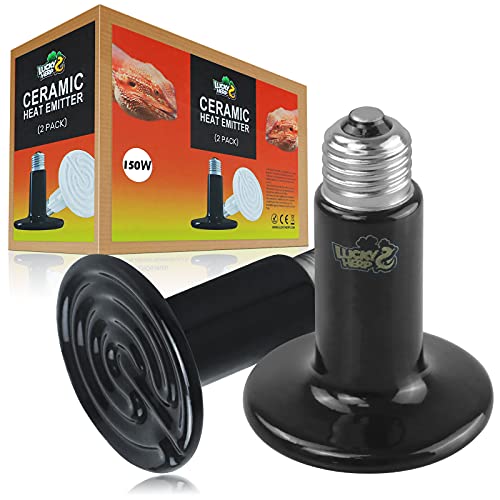
LUCKY HERP 150W Ceramic Heat Emitter (2-Pack)
- ✓ No light emission
- ✓ Fast heating
- ✓ Durable ceramic
- ✕ Requires proper fixture
- ✕ Avoid frequent on/off
| Power | 150W per bulb (2-pack total 300W) |
| Lamp Base | Standard E26/E27 screw base |
| Voltage | 120 V |
| Rated Lifespan | Up to 10,000 hours |
| Light Emission | Non-light emitting (heat only) |
| Distance Recommendation | Keep at least 30 cm from reptiles |
I did a double-take when I felt real warmth from a bulb that didn’t glow. The Lucky Herp 150W ceramic heat emitters arrive as a 2-pack, and the first moment I held one, the ceramic shell felt sturdy but not bulky.
It’s reassuringly heavy, like a camera lens, and the E26 base screws in easily without any wobble.
Inside the enclosure, you’ll notice how quickly the heat comes on. After you switch one on, you feel the air around the basking spot warm within seconds, and you can measure the rise in temperature within about four minutes.
No bright light means your nocturnal snakes won’t be disturbed, which is a surprisingly big win for nighttime visibility and sleep.
The build quality stands out. The ceramic material looks like it could survive a clumsy keeper and a few dropped moments, and the 10,000-hour claim lines up with how confident you feel leaving it on for longer stretches.
The bulbs are designed for 120 volts and work with standard fixtures, which makes setup a breeze if you already have a basic reptile enclosure.
I did keep a cautious distance, following the safety note about 30 cm from the reptile. It’s warm without being overpowering, which makes it easier to create a stable basking zone without chasing hot spots.
In practice, you’ll notice your snake or lizard settles into a predictable pattern, basking comfortably while you monitor heat with a simple thermometer.
If you’re balancing multiple terrariums, the two-pack is a solid value. It’s a straightforward upgrade from heat mats or lamps that emit light, especially for nocturnal species or sensitive sleepers.
Overall, you get fast heating, no glow, and a sturdy, long-lasting ceramic design that fits most standard setups without fuss.
ReptiKing 5.5″ Reptile Dome Light Fixture for Heat Lamp

- ✓ Strong heat distribution
- ✓ Safe ceramic socket
- ✓ Easy to switch bulbs
- ✕ Limited color options
- ✕ Bulb depth can glare
| Lamp Socket Type | UL Listed Ceramic Socket with E26 Interface |
| Maximum Wattage Support | Up to 150W |
| Input Power Cord Length | 180 cm (6 ft) |
| Reflector Design | Extra deep aluminum reflector dome to increase light and UVA output |
| Compatibility with Bulbs/Emitters | Fits Daylight Basking Spot, Daytime/Night Time Heat Bulb, Natural Light, Reptile Ceramic Heat Emitter |
| Warranty / Support Note | Warranty: replacement if damaged or deformed; contact for support |
You ever wrestle with a heat lamp that’s more drama than warmth? You’ll notice the ReptiKing 5.5″ Reptile Dome first by its sturdy, extra-deep aluminum reflector that throws light farther and boosts UVA output.
I dropped a 150W ceramic heat emitter in and felt the room warm in minutes, no fuss with tiny bulbs flickering.
The ceramic E26 socket stays cool to the touch, which is a small but big safety win when you’re adjusting everything around a curious snake. The on/off switch sits on a long 6-foot cord, so you can reach from your chair without reaching over the tank.
It’s simple, clean, and no-nonsense.
Handling the dome is straightforward too. The fit is snug with standard bulbs, and the dome’s finish resists heat so you don’t worry about scorch marks after a long day basking.
The extra depth means you’re less likely to bump the bulb and disrupt your snake’s setup during feeding or maintenance.
Packaging feels sturdy, and the UL-listed socket gives you a calmer sense of reliability. If you’re tuning a heat gradient, the included options—Daylight Basking Spot, heat bulbs, or a ceramic emitter—make it easy to swap without swapping fixtures.
It’s a practical, low-fuss upgrade for a dedicated terrarium corner.
If you’re balancing access, heat distribution, and safety, this dome checks the boxes without overthinking it. It’s not flashy, but it earns its keep in real-world snake setups.
TFNN Reptile Heat Lamp – 2x50W/75W with Clamp

- ✓ Wide light coverage
- ✓ Flexible 360° neck
- ✓ Easy timer controls
- ✕ Bulbs get warm to the touch
- ✕ Clamp grip could be tighter
| Power Rating | 50W + 75W dual bulbs |
| Color Temperature / UV Spectrum | Enhanced UVA/B output with bell-mouth design for broader UVA/B reach |
| Adjustable Features | Three heat levels and three timer modes (3H / 6H / 12H) |
| Mounting / Adjustable Arm | 360° rotatable swan neck (15.8 inches) with clip mounting |
| Material & Build | Metal housing and clip; stainless steel tubing head; vacuum glass tube for bulb longevity |
| Suitable Coverage / Use Case | Provides heating and lighting for multiple tanks/enclosures (reptiles, amphibians, plants) |
You’re mid-shift at the rescue center, and a bearded dragon fogs the enclosure glass as you reach for the TFNN Reptile Heat Lamp. The clamp bites into the rack edge with a satisfying snap, and the 360° swan neck instantly holds its position without creeping.
I flip the adjustable dial to a mid-bright setting and hear a gentle hum that feels almost reassuring, like a tiny sun waking up the room.
The bell-mouth design is noticeable the moment you turn it on—the light spreads wider, covering two tanks at once without leaving any cold corners. It feels sturdy in hand, with a metal clip that doesn’t wobble when you adjust the angle.
The two bulbs (50W and 75W) give you options without needing a second fixture.
Seasonal shifts are where this thing shines. I used the + and – controls to fine-tune the temperature for a bearded dragon and a couple of geckos, finding a balance that keeps basking spots warm without overheating.
The three timer modes (3H/6H/12H) are simple to set, and the lamp clicks off predictably, which means less guesswork at feeding time.
Setup is straightforward: clamp to a shelf, aim the neck, and go. The silicone-coated cable remains cool to the touch, and the shell around the bulbs protects against accidental touches.
The UVB and UVA output feels sufficient for quick daytime sessions, helping appetite and calcium absorption without needing a separate fixture.
In real-world use, the lamp covers multiple habitats well, and the 15.8-inch neck gives you flexibility for oddly shaped enclosures. It’s sturdy enough for busy days, and the price tag under $20 makes it easy to equip a small reptile corner without breaking the bank.
Bottom line: it’s practical, versatile, and easy to live with in a busy reptile setup. If you want a single lamp that handles heat and light for several tanks, this one earns a spot on the stand.
DXOPHIEX 5.5inch Deep Reptile Light Fixture Thermostat and

- ✓ Solid, dependable thermostat
- ✓ Quiet operation
- ✓ Easy setup and use
- ✕ Limited to 100W max
- ✕ No built-in grow light option
| Mounting Type | E26 ceramic socket heat lamp fixture |
| Bulb Compatibility | Up to 100 watts |
| Temperature Range | 40°F to 131°F (4.4°C to 55°C) |
| Thermostat & Timing | Built-in thermostat with 24-hour cycle timer options: 2, 4, 8, or 12 hours |
| Material & Emission | Ceramic heat emitter (emits heat, minimal light) |
| Recommended Use | Reptiles and amphibians (e.g., leopard gecko, snakes, bearded dragon) |
You’re tired of juggling a heat lamp, a separate thermostat, and a bunch of unclear timers that never quite line up with your snake’s day-night needs. You drop this fixture onto the tank, and the moment you plug it in you notice the ceramic head feels solid, not flimsy plastic.
The E26 socket is a snug fit for a 100-watt setup, and the unit’s weight sits reassuringly on the tank rim.
The built-in thermostat is the real win here. You mount the sensor inside the tank, set a target range, and it quietly holds the temp without ping-ponging between extremes.
I watched the readings stabilize within minutes, which is great when you’re trying to replicate a desert or tropical day. The 40°F to 131°F range covers all the bases you’ll encounter with snakes, geckos, and other reptiles.
The 24-hour timer is another thoughtful touch. You can pick 2, 4, 8, or 12 hours, and the lamp turns on at the same time the next day.
It’s like having a tiny, reliable schedule you don’t have to think about when life gets busy. The ceramic heat emitter stays cool to the touch, so you don’t worry about accidental burns during cleaning or tank maintenance.
Setup is straightforward: place the sensor somewhere sensible in the enclosure, screw in the ceramic light, plug in, and start dialing in temperature and cycle times. It’s simple enough that a beginner can get it right, but robust enough for a seasoned herp keeper who wants consistency.
In real use, you’ll appreciate the quiet operation and the way the heat stays consistent from morning through night. It’s not flashy, but it’s dependable—and that’s exactly what many snake setups need for stress-free feeding days and better shedding cycles.
BOEESPAT Reptile Lamp Dome Fixture 5.5″ E26 150W Max

- ✓ Compact, sturdy build
- ✓ Easy independent switch
- ✓ Great heat stability
- ✕ Limited coverage area
- ✕ Best with higher wattage bulbs only
| Base Type / Socket Compatibility | E26 |
| Maximum Wattage Capacity | 250 W |
| Dome / Shade Diameter | 5.5 inches |
| Material and Finish | Aluminum alloy interior with high UV reflectivity, electroplated and polished |
| Cable Length with Independent Switch | 67 inches with individual on/off switch |
| Ventilation / Heat Dissipation Features | Top ventilation holes for improved heat dissipation |
You probably think a 5.5-inch dome can’t move the needle, right? It’s easy to assume small fixtures underperform, especially when you’ve got a big snake that needs steady heat.
But this BOEESPAT dome surprised me with how compact efficiency can feel like when you actually use it.
First thing I noticed is the build. The interior aluminum is bright and reflective, almost like a tiny sunlamp you’d spot in a greenhouse.
The 67-inch cord with its own switch is surprisingly handy, letting you mount the fixture up high and still control heat easily from the side of the enclosure.
The top vent holes matter more than you’d expect. They keep the bulb running cooler, which translates to more stable basking temperatures over the long haul.
That stability matters when you’re juggling day/night cycles and a picky reptile’s routine.
Installation is straightforward. It’s an E26 base, so you can swap in reptile bulbs or a ceramic heat source without drama.
I appreciated the glassy, clean finish and the feel of quality hardware—no rattles, no wobble once mounted, even with a sweatered enclosure when the door opens.
In real-world use, the 250-watt capacity means you’ve got options as your snake grows or seasons shift. The 12-month warranty gives you peace of mind if a bulb hiccup happens.
Overall, it’s a compact, dependable heat solution that doesn’t complicate your setup.
If you’re choosing between a larger fixture and something this size, know that this one nails simplicity, safety, and reliable warmth in a tiny footprint.
What Is the Best Heat Lamp for a Snake’s Habitat?
Best practices for selecting a heat lamp involve evaluating the specific needs of the snake species, using a reliable thermometer to monitor temperatures, and ensuring that the heat source is securely positioned to prevent burns. Additionally, incorporating a timer can help mimic natural day-night cycles, further promoting a healthy habitat. Using a dimmer switch or adjusting wattage can also help maintain optimal temperatures consistently.
What Are the Different Types of Heat Lamps Suitable for Snakes?
The main types of heat lamps suitable for snakes include:
- Incandescent Heat Lamps: These are the most common type of heat lamps used for reptiles. They emit both heat and light, making them ideal for creating a basking area where snakes can warm themselves. However, they can be quite bright, so it’s important to position them appropriately to avoid causing stress to the snake.
- Infrared Heat Lamps: Infrared lamps provide heat without emitting visible light, which can help maintain a natural day-night cycle for snakes. They penetrate the scales of the snake and warm the animal directly, making them effective for nocturnal species that prefer darker environments.
- Ceramic Heat Emitters: These devices produce heat without light, making them suitable for nighttime heating. They are durable and long-lasting, providing consistent warmth without the risk of overheating, which is crucial for maintaining the proper temperature gradient in a snake’s habitat.
- Halogen Heat Lamps: Halogen lamps are more energy-efficient and provide intense heat. They can be placed at a distance to create a basking spot, and their design allows for a more focused heat source, making them suitable for larger enclosures where heat needs to be directed.
- Reflector Heat Lamps: These lamps come with a reflective surface that maximizes heat output in a specific area. They are ideal for creating targeted heat zones, allowing snakes to regulate their body temperature more effectively. Their design ensures that heat is concentrated where it’s most needed.
What Benefits Do Infrared Heat Lamps Provide for Snakes?
Infrared heat lamps provide several benefits for snakes, essential for their health and well-being.
- Temperature Regulation: Infrared heat lamps help maintain the optimal temperature gradient in a snake’s habitat, allowing them to thermoregulate effectively. Snakes, being ectothermic, rely on external heat sources to raise their body temperature, which is crucial for digestion and metabolic functions.
- Improved Digestion: The warmth generated by infrared heat lamps aids in the digestion process of snakes. Proper digestion requires the right body temperature, and these lamps can help provide the necessary heat that promotes enzyme activity, ensuring that snakes can efficiently break down and absorb nutrients from their food.
- UVB Exposure: Some infrared heat lamps also emit UVB light, which is essential for the synthesis of vitamin D3 in snakes. This vitamin is vital for calcium absorption, which helps prevent metabolic bone disease and promotes overall skeletal health.
- Behavioral Benefits: By providing a warm basking spot, infrared heat lamps encourage natural behaviors in snakes, such as basking and hiding. This mimics their natural environment, reducing stress and allowing for more naturalistic behaviors, which can enhance their overall quality of life.
- Enhanced Visibility: Infrared heat lamps can improve visibility in snake enclosures by providing a warm glow without disturbing the animal’s natural behaviors. This allows owners to observe their snakes more easily while still ensuring that the environment remains suitable for the snakes’ needs.
How Do Ceramic Heat Emitters Work for Snake Environments?
Ceramic heat emitters are an effective heating solution for snake environments, providing consistent warmth without light.
- Heat Generation: Ceramic heat emitters work by converting electrical energy into infrared radiation, which effectively heats the surrounding air and surfaces in the enclosure.
- Temperature Regulation: These emitters maintain a stable temperature, which is crucial for reptiles that rely on external heat sources to regulate their body temperature.
- No Light Emission: Unlike traditional heat lamps, ceramic heat emitters do not emit visible light, making them ideal for nocturnal snakes and helping to create a natural day-night cycle.
- Durability: Made from sturdy materials, ceramic heat emitters are designed to withstand high temperatures and are less likely to break compared to glass bulbs.
- Versatility: They can be used in various types of enclosures, including terrariums and vivariums, and can be paired with thermostats for optimal temperature control.
Heat Generation: Ceramic heat emitters work by converting electrical energy into infrared radiation, which effectively heats the surrounding air and surfaces in the enclosure. This method of heat generation spreads warmth evenly, ensuring that snakes can comfortably bask or retreat to cooler areas as needed.
Temperature Regulation: These emitters maintain a stable temperature, which is crucial for reptiles that rely on external heat sources to regulate their body temperature. This consistent heating helps prevent temperature fluctuations that can stress snakes and affect their health.
No Light Emission: Unlike traditional heat lamps, ceramic heat emitters do not emit visible light, making them ideal for nocturnal snakes and helping to create a natural day-night cycle. This is particularly beneficial for species that are more active during the night, as it allows them to thrive in a more naturalistic environment.
Durability: Made from sturdy materials, ceramic heat emitters are designed to withstand high temperatures and are less likely to break compared to glass bulbs. Their durability ensures long-term use, reducing the need for frequent replacements and providing consistent heating for snake habitats.
Versatility: They can be used in various types of enclosures, including terrariums and vivariums, and can be paired with thermostats for optimal temperature control. This versatility makes them suitable for a wide range of snake species, accommodating their specific heat requirements effectively.
What Factors Should Be Considered When Choosing a Heat Lamp for a Snake?
When selecting the best heat lamp for a snake, several important factors should be taken into account:
- Wattage: The wattage of the heat lamp determines how much heat it can produce. Higher wattage lamps generate more heat but may also increase the risk of overheating the enclosure, so it’s crucial to choose a wattage that matches the size of the habitat and the species’ specific temperature needs.
- Type of Bulb: There are different types of heat bulbs available, including incandescent, ceramic, and halogen. Incandescent bulbs provide visible light along with heat, while ceramic bulbs emit heat without light, which can be beneficial for nocturnal species, and halogen bulbs offer efficiency and longevity but may be more expensive.
- Size and Shape: The size and shape of the heat lamp should correspond to the enclosure’s dimensions and the snake’s behavior. A larger area may require multiple smaller lamps or a single larger lamp to ensure even heat distribution, while the shape can affect how heat radiates within the habitat.
- Heat Distribution: It’s essential to consider how evenly the heat is distributed throughout the enclosure. Uneven heat can lead to stress and health issues in snakes, so a lamp that allows for a gradient of temperatures is ideal, providing both a warm basking area and cooler zones.
- Safety Features: Look for heat lamps with built-in safety features such as guards or protective covers to prevent burns or accidents. Additionally, using lamps that are designed for reptiles can minimize the risk of failure or overheating, ensuring a safer environment for your snake.
- Compatibility with Thermostats: Ensure that the heat lamp can be used with a thermostat or timer. This allows for better temperature regulation, which is vital for maintaining a stable environment that meets the specific thermal requirements of your snake.
- Durability and Lifespan: The durability of the bulb and the materials used in the lamp can affect its lifespan and safety. Opting for high-quality, reliable products can save money in the long run and ensure consistent heating without frequent replacements.
How Does Wattage Impact Heat Levels in Snake Enclosures?
- High Wattage Heat Lamps: These lamps usually emit more heat and are suitable for larger enclosures or species requiring higher temperatures.
- Low Wattage Heat Lamps: Ideal for smaller enclosures or species that thrive in cooler conditions, these lamps provide gentle heating without risking overheating.
- Adjustable Wattage Heat Lamps: These offer versatility, allowing the user to change the output to suit different snake species or environmental conditions.
- Heat Distribution: The wattage also affects how heat is distributed within the enclosure; higher wattage can create hot spots if not properly managed.
- Energy Efficiency: Higher wattage doesn’t always mean better efficiency; sometimes, lower wattage can effectively maintain necessary temperatures while consuming less energy.
High wattage heat lamps are particularly beneficial for larger enclosures or snakes that require basking areas with elevated temperatures, as they can quickly raise the ambient temperature. However, they need careful placement to prevent overheating, which can lead to stress or health issues in snakes.
Low wattage heat lamps are often used in smaller snake habitats or for species that prefer milder conditions, providing sufficient warmth without excessive heat. These lamps are essential for maintaining a stable environment while allowing the snake to thermoregulate effectively.
Adjustable wattage heat lamps offer the flexibility to cater to various species or seasonal changes in the snake’s environment, making them a practical choice for reptile keepers. By modifying the wattage, owners can ensure that the temperature remains within the ideal range for the snake’s well-being.
Heat distribution is another crucial aspect influenced by wattage; higher wattage lamps can create hot spots that need to be monitored to prevent burns. A well-designed enclosure should combine different heat sources to provide both basking areas and cooler zones.
Finally, energy efficiency should also be considered when selecting a heat lamp; sometimes lower wattage options can be sufficient for maintaining appropriate temperatures while being more cost-effective in the long run. Choosing the right wattage is essential for providing a healthy and comfortable habitat for snakes.
Why Is Thermal Regulation Important for Snake Health?
The underlying mechanism involves the relationship between temperature and metabolic rate in ectothermic species. When snakes are exposed to appropriate heat levels, enzymatic reactions occur at optimal rates, facilitating digestion and energy production. Conversely, insufficient heat slows these processes, leading to health issues such as anorexia or increased susceptibility to infections. Furthermore, a regulated thermal environment helps snakes in thermoregulation behaviors, such as basking or seeking cooler areas, allowing them to adapt to their needs effectively.
How Can You Safely Install a Heat Lamp for Your Snake?
To safely install a heat lamp for your snake, consider the following important steps:
- Choose the Right Heat Lamp: Selecting the best heat lamp for your snake is crucial, as it should provide sufficient warmth without overheating the habitat. Look for lamps specifically designed for reptiles, which often have the appropriate wattage and light spectrum needed for their health.
- Proper Placement: Position the heat lamp at one end of the enclosure to create a temperature gradient, allowing your snake to regulate its body temperature by moving between warmer and cooler areas. Ensure that the lamp is high enough to provide warmth without risking direct contact with the snake.
- Use a Thermostat: Installing a thermostat can help maintain the ideal temperature range and prevent overheating, which can be harmful to your snake. This device will automatically turn the lamp on and off, ensuring a consistent and safe environment.
- Secure the Lamp: Ensure that the heat lamp is securely mounted and cannot be easily knocked over, as this could pose a fire hazard or injure your snake. Use appropriate fixtures and brackets designed for reptile lamps to guarantee stability.
- Regular Monitoring: Continuously check the temperature in the enclosure with a reliable thermometer to ensure it remains within the safe range for your specific snake species. Adjust the lamp’s height or wattage as necessary to maintain the correct environment.
- Provide a Basking Spot: Create a designated basking spot under the heat lamp where your snake can absorb heat comfortably. This area should have a suitable substrate and be easily accessible to encourage your snake to bask without stress.
What Maintenance Practices Ensure the Safety and Efficiency of Heat Lamps for Snakes?
Proper maintenance practices are essential for ensuring the safety and efficiency of heat lamps used for snakes.
- Regular Inspection: Frequent checks for any visible signs of wear, such as cracks or discoloration, help identify potential hazards before they escalate. Inspecting the wiring and connections also ensures that there are no frayed edges or loose connections that could lead to electrical issues.
- Cleaning the Bulbs: Dust and debris can accumulate on heat lamp bulbs, reducing their efficiency and heat output. Regularly cleaning the bulbs with a soft cloth helps maintain optimal performance and prevents overheating, which could be dangerous for the snake.
- Monitoring Temperature: Using a reliable thermometer to keep track of the temperature under the heat lamp is crucial. This ensures that the heat levels are appropriate for the specific species of snake, preventing overheating or insufficient warmth that could affect the snake’s health.
- Replacing Bulbs on Schedule: Heat lamps have a limited lifespan, and their efficiency decreases over time. Following the manufacturer’s guidelines for how often to replace bulbs helps ensure consistent heat output and prevents sudden failures that could harm the snake.
- Using Timers: Implementing timers can automate the heat lamp’s operation, providing a consistent day/night cycle that mimics natural conditions for snakes. This practice not only enhances the snake’s wellbeing but also prevents the heat lamp from running continuously, which can save energy and prolong bulb life.
- Ensuring Proper Placement: Positioning the heat lamp at the right distance from the snake’s habitat is essential for effective heating. Too close can cause burns, while too far can lead to inadequate heating, so adjusting the lamp’s placement according to the snake’s behavior and needs is important.