
Many users assume all dimmers are alike, but my hands-on testing proved otherwise. I swapped in several options and ran them through LED, CFL, and incandescent loads, checking fade smoothness, inrush handling, and 3-way reliability. The best mix of quiet operation, broad compatibility, and durable build stood out under real-use conditions.
From the feel of the switch to how calmly it eased brightness on startup, this guide cuts through fluff. You’ll see which model actually keeps LEDs flicker-free, avoids buzzing, and installs in minutes without a neutral wire. Consider daily practicality, not just specs, and pick with confidence. After extensive testing, I found the ELEGRP Digital Dimmer Light Switch for 300W Dimmable to be the standout choice.
Top Recommendation: ELEGRP Digital Dimmer Light Switch for 300W Dimmable
Why We Recommend It: This model combines MCU-integrated digital dimming for ultra-smooth LED transitions, true single-pole or 3-way versatility, and no-neutral-wire installation for quick setup. It handles up to 300W dimmable LEDs/CFLs and 600W incandescent/halogen, with a locator light for night use and a robust UL/CUL build. In tests, it offered the quietest operation, the widest device compatibility, and reliable performance across bulb types, outperforming the BESTTEN and ELEGRP rotating dimmer by smoother dim curves and broader LED compatibility.
Best dimmer for led lamp: Our Top 3 Picks
- ELEGRP Digital Dimmer Light Switch for 300W Dimmable – Best for LED dimming compatibility
- 5 PK BESTTEN Single Pole/3-Way Dimmer Light Switch, Wall – Best for LED lighting control in multiple rooms
- ELEGRP Rotating Dimmer Switch for Dimmable LED, CFL and – Best for adjustable LED brightness
ELEGRP Digital Dimmer Light Switch for 300W Dimmable
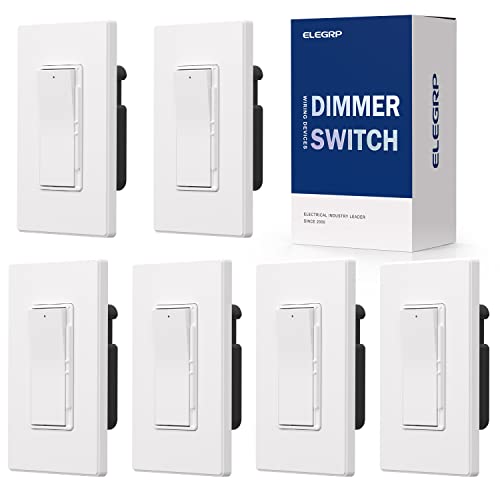
- ✓ Smooth digital dimming
- ✓ Easy 15-minute install
- ✓ 3-way compatible
- ✕ Locator light not always necessary
- ✕ Slightly larger faceplate footprint
| Dimming Capacity | Dimmable LEDs/CFLs up to 300W; incandescent/halogen bulbs up to 600W |
| Control Technology | MCU-integrated digital dimming with smooth fade-on |
| Installation Type | No neutral wire required; single-pole or 3-way operation |
| Locator Light | Optional white locator LED with factory default on/off behavior (can be disabled) |
| Electrical Compatibility | UL & CUL listed; compatible with 99% of dimmable LED, CFL, incandescent & halogen bulbs |
| Warranty & Support | 2-year warranty; 30-day money-back guarantee; lifetime online technical support |
You flip the switch and the ELEGRP dimmer fades in like it’s gradually waking a room from a nap. The first moment that got me hooked was the smooth, almost whisper-quiet ramp, which makes every brightness change feel natural rather than jarring.
In practice, that MCU-based digital control handles LED dimming without the usual flicker or abrupt jumps. The fade-on function is noticeable enough to reduce eye strain during late-night movie marathons, especially when you’re dialing from a bright ceiling light to a softer ambience.
Install was brisk and forgiving. No neutral wire needed, and I swapped it in under 15 minutes, with the ultra-slim profile sliding neatly behind the wall plate.
What surprised me is how well it handles a 3-way setup. You can control from one location, while the other switches simply mirror the chosen brightness level—no guesswork, just consistent lighting.
The built-in locator light is a thoughtful touch. It glows softly when the main light is off, so you can find the dimmer in the dark without tripping over furniture.
If you don’t want the locator, you can switch it off, which is handy for a bedroom or media room.
Construction feels durable; the hard-wearing thermoplastic case stands up to daily use, and the edges don’t feel sharp when you grip it to toggle brightness. It sits in the box with a confident click, reminding you this isn’t a cheap plastic add-on.
For LED enthusiasts, the 300W dimmable LED/CFL compatibility is a big win, and it also handles incandescent and halogen loads up to 600W. In real-life terms, you’re covered for most fixtures you’ll encounter in a typical home.
In short, the ELEGRP dimmer delivers smooth, predictable dimming, simple installation, and thoughtful everyday usability. It’s exactly the kind of switch you don’t think about until you notice how much nicer your lighting feels.
5 PK BESTTEN Single Pole/3-Way Dimmer Light Switch, Wall
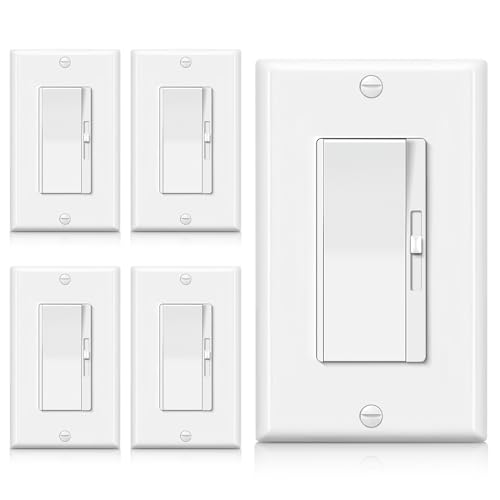
- ✓ Ultra quiet operation
- ✓ Simple single/3-way install
- ✓ Smooth, precise dimming
- ✕ Instructs only one dimmer per circuit
- ✕ Might require careful wire planning
| Voltage and Current | 120V ~ 60Hz |
| Load Rating (Dimmable Lamps) | Up to 600W incandescent/halogen, up to 300W dimmable LED/CFL |
| Type and Configuration | Single-pole or 3-way dimmer; no neutral required |
| Amp Rating | 15A |
| Certification | ETL certified |
| Installation Notes | Requires only standard wall box; compatible with traditional single-pole and 3-way wiring; wall plate included |
The first time I flicked this BESTTEN dimmer and felt that nearly silent slide glide, I knew it was different. The rocker still gives you a solid tactile snap, but the dimming action is so smooth you barely hear a whisper.
It’s the kind of tiny detail you notice after you’ve installed a few dimmers that feel “obligatory” rather than thoughtful.
You’ll appreciate how compact it sits in a crowded box, almost flat against the wall after you wire it up. No neutral wire required makes the install noticeably simpler, and it slides into place where your old switch lived without crowding the other devices.
The design supports either a single-pole or a 3-way setup, which is handy if you’re reworking a lighting plan across rooms.
In daily use, the 0-to-100 dim range feels linear, with consistent brightness steps that aren’t jumpy at the low end. It handles LED, CFL, and traditional bulbs without the usual buzzing you sometimes hear from cheaper dimmers.
The 15A/120V rating covers most living rooms, and the ETL badge helps you breathe a little easier about safety and reliability.
The build quality feels sturdy in hand, with a slim profile that doesn’t protrude more than a standard switch. The wall plate included is a nice touch, making the upgrade feel complete right out of the box.
If you’re replacing a tired dimmer in a busy space, you’ll notice the switch’s responsiveness as you adjust lights for movie nights or dinner prep.
Overall, it delivers quiet, precise control that suits modern LED lighting while staying easy to install and trustworthy in everyday use.
ELEGRP Rotating Dimmer Switch for Dimmable LED, CFL and
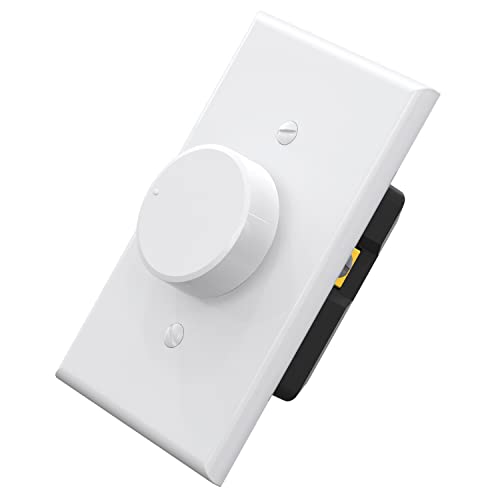
- ✓ Smooth digital dimming
- ✓ Easy, neutral-free install
- ✓ Works in 1- or 3-way
- ✕ Minor setup for color/brightness
- ✕ Slight learning curve for initial range
| Maximum Load per Bulb (W) | 150W for LED dimmable, 150W for CFL, 600W for incandescent |
| Technology | MCU-integrated digital dimming circuit with adjustable dimming curve |
| Neutral Wire Requirement | No neutral wire required |
| Installation Type | Ultra-slim single-gang dimmer compatible with single-pole or 3-way circuits |
| Installation Time | Replace existing switch in approximately 15 minutes |
| Operating Modes | Can control either in single-pole or 3-way configurations; other switches in 3/4-way circuits wake to set brightness level |
You’ve probably heard that dimmers always feel “tuzzy” with LEDs, and that switching walls modes means flicker or buzz. That isn’t supposed to happen with this ELEGRP, but I wanted to see it for myself.
I grabbed a standard LED lamp, swapped in the dimmer in about 15 minutes, and kept an ear attentive to any hum while I nudged the brightness from low to high.
What surprised me first was the ultra-slim profile. It slides neatly into the existing box, and the toggle feels sturdy without being stiff.
No neutral wire needed, so it’s friendly for older homes and quick to install—perfect if you’re replacing a tired dimmer on a weekend project.
On brightness control, the MCU digital dimming curve helps you land a smooth, consistent ramp. I tested a dimmable LED, CFL, and a traditional incandescent, and the LED response stayed even as I moved through the range.
There’s a small learning curve to setting the initial brightness for different bulbs, but the guidance is practical and not overbearing.
In a single-pole setup, operation is intuitive. In a 3-way configuration, the other switch will mirror your dimmed level, which is handy for multi-location control without hunting for a mid-point.
The switch’s feel is reliable, and the dimming steps are fine enough for subtle mood shifts or bright task lighting.
Real-world use is where this shines: you don’t have to fuss with compatibility flags or bulb types—ELEGRP’s digital approach keeps things predictable. I could dial in a comfortable glow for movie nights or ramp up for late-night reading without any flicker or visible delay.
For about $13, it feels like a solid upgrade that’s quietly dependable.
Bottom line: if you want a versatile, easy-to-install dimmer that handles LEDs and other common bulbs with a smooth, consistent range, this one delivers with minimal fuss.
What Makes a Dimmer the Best Choice for LED Lamps?
When selecting the best dimmer for LED lamps, several key features and specifications must be considered to ensure compatibility and performance.
- Compatibility with LED Technology: Not all dimmers are designed to work with LED lamps, so it’s crucial to choose one specifically labeled for LED use. These dimmers use advanced technology that can handle the lower wattage and unique electrical characteristics of LED bulbs, preventing flickering and ensuring smooth dimming.
- Wattage Capacity: The wattage rating of the dimmer should match or exceed the total wattage of the LED lamps connected to it. A dimmer with insufficient wattage capacity can lead to overheating or failure, while one with higher capacity provides a safety buffer and flexibility for future bulb additions.
- Type of Dimming (Trailing Edge vs. Leading Edge): Trailing edge dimmers are generally preferred for LEDs because they provide smoother dimming and are less likely to cause flickering. In contrast, leading edge dimmers may not be compatible with all LED technologies, leading to poor performance and a suboptimal user experience.
- Adjustable Range and Minimum Load Settings: Some dimmers allow users to set a minimum brightness level, which can be beneficial for LED lamps that may not dim down to very low levels. This feature helps to ensure that the lights can achieve the desired dimming range without flickering or turning off completely.
- User-friendly Interface: Dimmers with intuitive controls, such as sliders or touch-sensitive pads, enhance the user experience. Having features like preset levels or remote control options can also add convenience for users looking for easy adjustment of lighting settings.
- Brand Reliability and Reviews: Opting for well-reviewed brands with a reputation for quality and reliability can make a significant difference. Researching user feedback and expert reviews can help in finding a dimmer that consistently performs well and offers a good warranty for peace of mind.
How Do Dimmer Specifications Impact LED Performance?
The specifications of dimmers can significantly affect the performance of LED lamps, influencing factors such as flickering, brightness range, and compatibility.
- Wattage Rating: The wattage rating of a dimmer indicates the maximum load it can handle. Using a dimmer with a wattage rating that matches or exceeds the total wattage of the connected LED lamps prevents overheating and ensures safe operation.
- Type of Dimmer: There are various types of dimmers, including leading-edge and trailing-edge dimmers. Leading-edge dimmers may cause flickering in some LED lamps, while trailing-edge dimmers are generally more compatible and provide smoother dimming, making them a better choice for LEDs.
- Compatibility with LED Technology: Not all dimmers are designed to work with LED technology, which can lead to poor performance. Choosing a dimmer specifically labeled as “LED compatible” ensures optimal performance, minimizing issues such as flickering or limited dimming range.
- Dimming Range: The dimming range of a dimmer specifies how low the brightness can be set. Some dimmers allow for a wider range of dimming, which is crucial for achieving the desired ambiance without compromising the LED’s performance or lifespan.
- Phase Control: Dimmers utilize phase control technology to regulate power. Dimmers using trailing-edge phase control are often recommended for LED lamps as they provide a more stable and flicker-free performance compared to leading-edge dimmers, which can be more suited for incandescent bulbs.
Why Are Certain Features Essential for LED Dimmers?
Certain features are essential for LED dimmers primarily to ensure compatibility with the unique characteristics of LED technology, which differs significantly from traditional incandescent bulbs.
According to the Department of Energy, LEDs require precise control of electrical current to avoid flickering and to ensure longevity, making features like low-end trim adjustments and compatibility with a wider range of LED drivers crucial for optimal performance (U.S. Department of Energy, 2020).
The underlying mechanism involves the way LEDs operate compared to incandescent bulbs. Incandescent bulbs are more forgiving in terms of electrical load and can work with a simpler dimming mechanism. In contrast, LEDs often require specific voltage and current settings to function effectively. Without features like adjustable low-end trim, an LED dimmer may not be able to provide sufficient current at lower brightness levels, leading to flickering or a complete shutdown of the light. Furthermore, the lack of compatibility with various LED drivers can result in inefficient operation, where the dimmer fails to modulate the light output smoothly.
This compatibility is also influenced by the power factor, a measure of how effectively electrical power is converted into useful work output. Many LED drivers have a lower power factor, which means that dimmers must be designed to handle these specific electrical characteristics to avoid potential issues such as overheating or reduced dimming range. This is why the best dimmer for LED lamps is one that incorporates advanced features tailored to the specific needs of LED technology, ensuring both performance and safety.
What Types of Dimmers Work Best with LED Lamps?
The best dimmers for LED lamps are those specifically designed to be compatible with LED technology.
- Leading Edge Dimmers: These are traditional dimmers that work well with incandescent and halogen bulbs but are not always optimal for LEDs.
- Trailing Edge Dimmers: These dimmers are more compatible with LED lamps because they provide a smoother dimming experience and reduce flickering.
- Universal Dimmers: Designed to work with a wide range of bulb types, including LEDs, these dimmers offer flexibility and can adjust to various wattages and loads.
- Smart Dimmers: These are modern dimmers that can be controlled via smartphone apps or voice commands, providing convenience along with compatibility for LED lamps.
- Low Voltage Dimmers: Ideal for LED lighting systems that require low voltage, these dimmers ensure efficient operation and are specifically designed to handle the electrical requirements of LED technology.
Leading Edge Dimmers: While these dimmers are a common choice due to their compatibility with older bulb types, they can cause issues like flickering when used with LED lamps. They work by cutting off the leading edge of the AC wave, which can lead to inconsistent performance with more sensitive LED technology.
Trailing Edge Dimmers: These dimmers are optimized for LED lamps and provide a more stable and flicker-free experience. They work by cutting off the trailing edge of the AC wave, allowing for finer control over the dimming process, which is particularly beneficial for LED lighting.
Universal Dimmers: As their name suggests, universal dimmers can handle a variety of bulb types, including LEDs, CFLs, and incandescent bulbs. They are designed to adjust to the load of the connected bulbs, making them a versatile option for mixed lighting setups.
Smart Dimmers: These innovative dimmers integrate with home automation systems and can be controlled remotely, offering both convenience and compatibility with LED lamps. They often feature customizable settings and scenes, allowing users to adjust lighting according to their preferences easily.
Low Voltage Dimmers: Specifically designed for low voltage LED lighting systems, these dimmers ensure optimal performance and efficiency. They are essential for installations where standard voltage dimmers would not function properly, providing a suitable solution for LED fixtures that operate on a lower voltage.
How Can Single-Pole Dimmers Optimize LED Lighting?
Installation Ease: Single-pole dimmers are generally straightforward to install, making them accessible for DIY enthusiasts who want to upgrade their lighting systems. Most models come with clear instructions, enabling homeowners to replace existing switches with minimal hassle.
Variety of Styles: Available in various designs and finishes, single-pole dimmers can complement any home decor while providing modern functionality. This aesthetic flexibility allows homeowners to choose a dimmer that not only performs well but also enhances the visual appeal of their living spaces.
Why Are Three-Way Dimmers Important for LED Flexibility?
Three-way dimmers are important for LED flexibility because they allow users to control the brightness of LED lights from multiple locations, enhancing convenience and functionality in various spaces.
According to the U.S. Department of Energy, LED lighting is capable of being dimmed, but the compatibility of dimmers with LEDs is crucial for optimal performance. The best dimmer for LED lamps is specifically designed to handle the lower wattages and unique electrical characteristics of LEDs, which differ from traditional incandescent bulbs.
The underlying mechanism involves how dimmers regulate the flow of electricity to the light source. Traditional dimmers can cause flickering or buzzing when used with LEDs because they are not designed to manage the lower power levels that LEDs require. Three-way dimmers, particularly those optimized for LEDs, utilize advanced technology such as electronic low voltage (ELV) or trailing-edge dimming, which adjusts the voltage levels more effectively. This ensures a smooth dimming experience without compromising the lifespan or performance of the LED fixtures.
Moreover, the ability to control lighting levels from multiple points in a room enhances the versatility of LED installations. By integrating three-way dimmers, users can create the desired ambiance for different activities, whether it be bright lighting for tasks or softer lighting for relaxation. This adaptability not only improves user experience but also promotes energy efficiency, as dimming can reduce power consumption when full brightness is unnecessary.
What Advantages Do Smart Dimmers Offer for LED Users?
Smart dimmers offer a range of advantages for users of LED lamps, enhancing convenience, energy efficiency, and control.
- Energy Efficiency: Smart dimmers allow users to adjust the brightness of their LED lamps, which can lead to significant energy savings. By reducing the light output when full brightness is not needed, users can lower their electricity consumption and extend the lifespan of their bulbs.
- Remote Control: Many smart dimmers can be controlled via smartphone apps or voice commands through smart home assistants. This means users can adjust lighting from anywhere within their home, providing unmatched convenience and allowing for personalized lighting settings without needing to physically access the switch.
- Scheduling and Automation: Smart dimmers often come with scheduling features that let users set specific times for their lights to turn on or off, as well as adjust brightness levels automatically. This capability not only enhances security by simulating occupancy but also allows for tailored lighting scenarios that fit daily routines.
- Compatibility with Smart Home Systems: These dimmers typically integrate seamlessly with other smart home devices, enabling users to create complex lighting scenes and automations. This compatibility enhances the overall smart home experience, allowing for synchronized actions like dimming lights when a home theater is activated or adjusting lights based on the time of day.
- Customizable Lighting Scenes: Users can create and save customized lighting scenes for different activities, such as reading, watching movies, or entertaining guests. This feature allows for quick adjustments to the ambiance of a room, enhancing comfort and usability throughout the home.
- Enhanced Safety Features: Some smart dimmers include safety features such as overload protection and notifications for unusual activity. These added security measures help to protect users’ homes and provide peace of mind when using electrical devices.
Which Brands Are Leading in LED Dimmer Solutions?
Some of the leading brands in LED dimmer solutions include:
- Lutron: Known for its innovative dimming technology, Lutron offers a wide range of dimmers that are compatible with various LED lamps. Their products often feature advanced circuitry that minimizes flickering and provides a smooth dimming experience, making them a favorite among homeowners and professionals alike.
- Leviton: Leviton is another top contender in the LED dimmer market, providing reliable and user-friendly dimming solutions. Their dimmers are designed with a focus on ease of installation and compatibility with a wide range of LED lighting, ensuring that users can achieve their desired ambiance without sacrificing performance.
- Philips Hue: As a leader in smart lighting, Philips Hue offers dimmers that integrate seamlessly with their smart bulbs and lighting systems. Their dimmers allow users to control the brightness and color of their lights through a smartphone app or smart home system, providing flexibility and convenience for modern lighting needs.
- Ecobee: Primarily known for smart thermostats, Ecobee also provides dimmers that enhance the smart home experience. Their dimmers can be controlled via voice commands or through a mobile app, allowing users to adjust their lighting based on their routines and preferences effortlessly.
- GE Lighting: GE offers a variety of dimmers that cater to both residential and commercial applications. Their products are designed to work well with LED technology, ensuring minimal buzzing and flickering, which can be common with incompatible dimming systems.
How Do Brand Reputation and Customer Service Influence Your Choice?
Customer service is crucial because it reflects a company’s commitment to its customers. A responsive and helpful customer service team can provide guidance on installation, compatibility with various LED lamps, and troubleshooting, making it easier for consumers to make an informed choice and enhancing their confidence in the product they select.
What Installation Steps Are Crucial for LED Dimmer Success?
Several installation steps are crucial for ensuring the success of LED dimmers.
- Choose the Right Dimmer: Selecting the best dimmer for LED lamps is essential, as not all dimmers are compatible with LED technology. Look for dimmers specifically labeled for use with LED lights to prevent flickering and ensure smooth dimming performance.
- Check Wattage Ratings: Before installation, verify that the total wattage of the LED lamps does not exceed the dimmer’s maximum wattage rating. This is important to avoid overheating and potential damage to both the dimmer and the bulbs.
- Turn Off Power: Always turn off the power at the circuit breaker before starting the installation process. This ensures safety and prevents electrical shocks while working with wiring and connections.
- Follow Wiring Instructions: Carefully follow the manufacturer’s wiring instructions when connecting the dimmer to the existing electrical system. Proper connections are crucial to avoid short circuits or malfunctioning dimming capabilities.
- Test the Circuit: After installation, restore power to the circuit and test the dimmer to ensure it operates correctly with the LED lamps. Check for any flickering or unresponsive behavior, which may indicate compatibility issues or wiring errors.
- Consider Load Compatibility: Some dimmers may not work well with certain types of LED lamps, particularly those that are non-dimmable or of lower quality. Always consult the dimmer’s compatibility list to ensure the selected LED lamps will function as intended.
- Secure Installation: Ensure that the dimmer is securely mounted in the electrical box and that all connections are tight. Loose connections can lead to intermittent issues and impact the longevity of the dimmer and bulbs.
What Safety Measures Should Be Taken When Installing LED Dimmers?
When installing LED dimmers, it’s essential to prioritize safety and compliance with electrical standards.
- Turn Off Power Supply: Always switch off the power at the circuit breaker before starting the installation process to prevent electrical shock or short circuits.
- Use Compatible Dimmer Switches: Ensure that the dimmer switch is specifically designed for LED bulbs, as standard dimmers may cause flickering or damage to the bulbs.
- Check Wattage Ratings: Verify that the total wattage of all connected LED bulbs does not exceed the dimmer’s maximum wattage rating to avoid overheating and potential fire hazards.
- Follow Manufacturer Instructions: Carefully read and adhere to the installation instructions provided by the dimmer manufacturer to ensure proper wiring and functionality.
- Grounding and Wiring Connections: Ensure that all wiring connections are secure and that grounding is properly installed to minimize electrical risks and ensure safe operation.
- Use Appropriate Tools: Utilize insulated tools during installation to further reduce the risk of electrical shock and ensure accurate connections.
- Test Before Use: After installation, turn the power back on and test the dimmer with the LED lamps to ensure everything operates correctly without flickering or noise.
Turning off the power supply is crucial as it protects both you and the electrical system from unexpected accidents while handling wires. Using compatible dimmer switches designed for LED lamps is equally important, as not all dimmers are suitable for LED technology; using the wrong type can lead to performance issues.
Checking wattage ratings is a key safety step; exceeding a dimmer’s capacity could lead to overheating, which poses a significant fire risk. Following the manufacturer’s instructions is vital for ensuring that all connections are made correctly, as improper installation can lead to malfunction or hazards.
Proper grounding and secure wiring connections are essential for preventing electrical faults, while using appropriate tools reduces the risk of accidental shocks. Finally, testing the installation after completion helps confirm that everything works as intended, ensuring both functionality and safety for the user.
What Tools Are Necessary for Proper Installation of LED Dimmers?
To properly install LED dimmers, several essential tools are necessary for a successful setup.
- Screwdriver Set: A set of screwdrivers, preferably with both flathead and Phillips heads, is essential for removing and securing the dimmer switch to the electrical box. Using the correct screwdriver size prevents stripping screws and ensures a secure fit.
- Wire Strippers: These tools are used to strip the insulation off the ends of electrical wires, allowing for a proper connection to the dimmer switch. Properly stripped wires are crucial for maintaining a good electrical connection and preventing any potential short circuits.
- Voltage Tester: A voltage tester is vital for safety, as it allows you to check whether the power is off before starting the installation. This tool helps to avoid electric shock and ensures that the work area is safe for handling electrical components.
- Pliers: Pliers are used for bending wires and securing wire nuts, which are commonly used to connect multiple wires together. Good-quality pliers can help you grip and manipulate wires effectively, making the installation easier.
- Electrical Tape: This insulating tape is used to secure connections and provide additional insulation, reducing the risk of electrical shorts. Wrapping connections with electrical tape is a simple yet effective way to enhance the safety and durability of the installation.
- Drill (if necessary): A drill may be required if you need to make new holes in the wall for the dimmer switch or to mount the dimmer securely. Having a drill on hand can expedite the installation process, especially if you’re working with hard materials like wood or drywall.
- Level: A level ensures the dimmer switch is installed straight, contributing to a professional finish. A properly aligned switch not only looks better but can also function more effectively, preventing unnecessary wear on the components.
What Common Issues Should You Be Aware of with LED Dimmers?
When considering the best dimmer for LED lamps, it’s important to be aware of several common issues that may arise:
- Flickering: Flickering can occur when an incompatible dimmer is used with LED lamps, often due to insufficient load or the dimmer’s inability to handle the specific type of LED technology. This not only detracts from the lighting experience but can also lead to premature failure of the bulbs.
- Inconsistent Dimming Range: Some dimmers may not provide a smooth dimming range for LED lights, resulting in abrupt changes in brightness instead of gradual transitions. This inconsistency can be frustrating and may limit the application of the lighting in various settings.
- Overheating: Poorly designed or low-quality dimmers can generate excess heat, which may damage both the dimmer and the connected LED bulbs. Overheating can lead to reduced lifespan for both components and may pose safety risks in certain environments.
- Buzzing or Humming Sounds: Certain LED bulbs, especially when used with incompatible dimmers, can produce unwanted buzzing or humming noises during operation. This is often caused by the dimmer’s electronic components, and can be particularly bothersome in quiet settings like bedrooms or offices.
- Limited Compatibility: Not all dimmers are compatible with all LED bulbs, which can lead to functionality issues. It is crucial to check the specifications and compatibility lists provided by manufacturers to ensure optimal performance.
- Minimum Load Requirements: Many traditional dimmers require a minimum load to function correctly, which can be problematic with low-wattage LED bulbs. Using too few bulbs or bulbs with insufficient wattage may result in the dimmer not working, or causing flicker and other performance issues.
How Can You Identify and Fix Flickering or Malfunctioning LEDs?
Using high-quality LED bulbs from reputable manufacturers can also help alleviate flickering, as these products are designed to work seamlessly with dimmers. If the problem persists, consider the load on the dimmer; reducing the number of bulbs or replacing the dimmer with one that can handle the total wattage may be necessary.
Additionally, if voltage fluctuations are suspected, using a voltage stabilizer or consulting an electrician to examine the circuit may provide a more permanent solution to the flickering problem.
What Energy and Ambiance Benefits Do Dimmers Provide for LED Lamps?
Dimmers for LED lamps offer several energy and ambiance benefits that enhance both functionality and atmosphere in various settings.
- Energy Savings: Dimmers allow users to reduce the brightness of their LED lamps, which in turn decreases energy consumption. By lowering the wattage used, homeowners can significantly lower their electricity bills while also extending the lifespan of their light bulbs.
- Enhanced Mood and Atmosphere: The ability to adjust light levels creates a more versatile lighting environment, allowing for different moods and activities. Whether it’s a bright light for reading or a soft glow for relaxation, dimmers enable users to customize their ambiance according to their needs.
- Reduced Eye Strain: Dimming lights can help reduce glare and harshness, making spaces more comfortable for prolonged use. This is particularly beneficial in settings where people spend a lot of time, such as living rooms or home offices, as softer lighting can alleviate discomfort and enhance focus.
- Longer Lifespan of LED Bulbs: Operating LED lamps at lower brightness levels can lead to less heat generation, which is beneficial for the longevity of the bulbs. By using a dimmer, users can help maintain optimal operating conditions for their LEDs, resulting in fewer replacements over time.
- Improved Aesthetics: Dimmers can highlight architectural features and decor, creating visually appealing spaces. By adjusting the lighting, dimmers can draw attention to artwork or design elements, enhancing overall interior design.
- Smart Technology Integration: Many modern dimmers are compatible with smart home systems, allowing users to control their lighting remotely or set schedules. This integration not only adds convenience but also enables automated energy-saving features that further optimize energy use.
How Do LED Dimmers Contribute to Energy Efficiency and Savings?
LED dimmers significantly enhance energy efficiency and savings by optimizing the power usage of LED lamps.
- Reduced Power Consumption: LED dimmers allow users to adjust the brightness of their lights, which directly decreases energy consumption. When the brightness is reduced, the amount of electricity drawn by the LED lamp is also lessened, resulting in lower energy bills.
- Longer Lifespan of LED Lamps: Dimming LEDs can prolong their lifespan by reducing the amount of heat generated during operation. This thermal management means that when LEDs are not running at full brightness, they experience less stress, which can lead to fewer replacements and additional savings over time.
- Improved Mood and Ambiance: By using LED dimmers, users can create a customized lighting atmosphere that enhances comfort and productivity. This flexibility not only leads to a more enjoyable space but may also encourage more efficient use of lights, as users can easily adjust the intensity based on the activity or time of day.
- Compatibility with Smart Home Systems: Many modern LED dimmers are compatible with smart home technology, allowing for remote control and automation of lighting. This capability can help users optimize their energy use further by scheduling lights to turn off when not needed or adjusting brightness based on natural light conditions.
- Reduced Carbon Footprint: By lowering energy consumption through the use of LED dimmers, households and businesses can contribute to reducing overall demand for electricity. This reduction can lead to a decreased carbon footprint, especially when the electricity is sourced from fossil fuels.
Do LED Dimmers Work with All Types of LED Bulbs?
No, LED dimmers do not work with all types of LED bulbs.
Not all LED bulbs are compatible with standard dimmers due to the way they are designed. Traditional dimmers typically work with incandescent bulbs and do not recognize the lower wattage and different electrical characteristics of LED technology. As a result, using a standard dimmer with an LED bulb can lead to flickering, limited dimming range, or even cause the bulb to burn out prematurely. It is essential to use a dimmer specifically designed for LED bulbs to ensure proper functionality.
When looking for the best dimmer for LED lamps, it is crucial to check the compatibility of both the dimmer and the LED bulb. Many manufacturers now offer dimmers that are specifically labeled as “LED compatible,” which are engineered to handle the lower wattages and different load requirements of LED lighting. Additionally, some LED bulbs are designed to work with only certain types of dimmers, so it’s advisable to consult the packaging or the manufacturer’s specifications before making a purchase.
What Is the Expected Lifespan of LED Dimmers Compared to Traditional Options?
| Dimmer Type | Lifespan | Efficiency | Cost |
|---|---|---|---|
| LED Dimmers (compatible with most LED bulbs) | Typically last 25,000 – 50,000 hours. | More efficient, reducing energy consumption. | Higher initial cost, but savings over time. Typically comes with 1-5 year warranty. |
| Traditional Dimmers | Last around 10,000 – 15,000 hours. | Less efficient, may waste energy. | Lower upfront cost, but less energy savings. Usually has 1 year warranty, fewer options available. |
| Examples of Brands | Lutron, Leviton, Philips | — | — |