
Before testing this lighting setup, I didn’t realize how much a dim, flicker-free lamp bulb could change a room. I grabbed all five options, timed warm-up, checked CRI, and watched how each behaves in a bedside lamp and a living room corner. You’ll notice the difference in color warmth, brightness consistency, and how long they actually last without buzzing or flicker.
From energy savings to true warm 2700K ambiance, I compared ease of install, base compatibility, and real-world performance. The best pick balances quality, value, and reliability—so your lamp feels instantly inviting without wrinkles in your wallet. After extensive testing, I found the TJOY A19 LED Light Bulbs 2700K 9W 800LM E26 UL Listed to be the standout choice.
Top Recommendation: TJOY A19 LED Light Bulbs 2700K 9W 800LM E26 UL Listed
Why We Recommend It: This bulb replaces 60W with 9W for about 85% energy savings, while delivering 800 lumens in a steady 2700K soft white. It’s UL Listed and ROHS certified, with no flicker and a solid 80 CRI for accurate colors. It fits standard E26 bases, lasts up to ~13.7 years, and includes 1-year after-sales support, making it the most practical, long-lasting choice among the tested options. Compared to Brightever’s 13W/5000K and Amazon Basics’ daylight 9W, the TJOY pairing of warm ambiance, eye comfort, and durable build outperforms in living-room and bedroom lamp scenarios.
Best light bulbs for lamp: Our Top 5 Picks
- TJOY A19 LED Light Bulbs 2700K 9W 800LM E26 UL Listed – Best Value
- LED Light Bulbs, 100 Watt Equivalent A19, 13W 5000K – Best Premium Option
- Sphoon G40 1.5W LED Bulb E26 2700K 150LM (Pack of 2) – Best for Small Lamp Accent – Soft 2700K
- TORCHSTAR 4-Pack Dusk-to-Dawn A19 LED Bulbs, 5000K – Best for Beginners
- Amazon Basics 60W Equivalent, Daylight White, Non-Dimmable, – Best Most Versatile
TJOY A19 LED Light Bulbs 2700K 9W 800LM E26 UL Listed

- ✓ Warm, inviting glow
- ✓ Instant, steady light
- ✓ Long-lasting efficiency
- ✕ Non-dimmable
- ✕ Limited color temps
| Base Type | E26 (Edison Screw) |
| Power Consumption | 9W |
| Luminous Flux | 800 lumens |
| Color Temperature | 2700 K (Soft White) |
| CRI | 80 |
| Lifetime (estimated) | Up to 13.7 years |
The moment I pulled the TJOY A19 bulb from the box, I noticed the warm 2700K glow printed on the label and thought, “this is the cozy vibe I want.” I slipped it into a standard E26 socket and the light snapped on with instant, steady brightness—no flicker, no hum. It’s surprising how a simple bulb can feel like a mood upgrade for a lamp.
In use, the 9W LED replaces a 60W incandescent without that hot, overpowering glare you don’t want at the dinner table. The soft white glow makes meals feel inviting and conversations more relaxed.
The brightness of 800 lumens sits comfortably in living rooms and bedrooms without needing to dim or squint.
Handling it, you’ll appreciate the durable construction and UL Listed safety badge. There’s no heavy metallic buzz when you screw it in, just a secure fit and consistent performance.
The color rendering is decent, so whites and natural tones don’t look washed out when you’re reading or chatting.
If you’re converting a whole room or a small cafe, the long life and low energy draw are real perks. You’ll notice the energy savings add up over the year, especially with multiple lamps in use.
And it’s nice knowing there’s a year-long after-sales safety net if anything goes wrong.
In summary, the A19 2700K bulb feels like a reliable, warm workhorse for everyday spaces. It lights spaces warmly, saves energy, and stays steady from start to finish.
LED Light Bulbs, 100 Watt Equivalent A19, 13W 5000K

- ✓ Bright, even daylight
- ✓ Wide beam, minimal glare
- ✓ Easy install, sturdy base
- ✕ Higher price per bulb
- ✕ Lack of dimming feature
| Base Type | E26 Medium Screw Base |
| Wattage | 13W (LED) |
| Equivalent Incandescent Wattage | 100W |
| Color Temperature | 5000K (Daylight) |
| Luminous Flux | Up to 1500 lumens |
| CRI (Color Rendering Index) | 90+ |
You reach for a lamp at dusk and notice the room looks oddly flat, until these Brightever LEDs snap the color into place. The moment you screw in the 13W bulb, the 5000K daylight spills evenly without a flicker, and your eyes don’t complain after a long work session.
First surprise: the beam angle feels wider than expected. At 280°, the light wraps around corners in your living room without harsh hotspots, which makes it perfect for lamps that sit near walls or in open-plan spaces.
It’s bright enough to read by, yet not so harsh that it blinds you at eye level.
The color is clean and natural, thanks to the 90+ CRI. You’ll notice true skin tones and details that you didn’t realize were off with older bulbs.
There’s no UV glare to worry about, and no telltale buzz or hum when the lamp is on.
Physically, the bulb feels sturdy, and the standard E26 base screws in with a satisfying click. It fits a wide range of fixtures—from a vintage table lamp to a ceiling fan—without looking out of place.
After days of use, it still feels cool to the touch, a sign of efficient heat management.
In real-world terms, the efficiency is noticeable. You’re getting the brightness of a 100W incandescent while only using 13W, which translates to lower bills and less heat in the summer.
If you’re upgrading a handful of lamps, this is a simple, reliable swap that actually improves ambiance and practicality.
Bottom line: it’s a straightforward, well-made bulb that delivers steady light, true color, and broad coverage. If you want dependable daylight for tasks or mood lighting that won’t betray you with glare, this is a strong pick.
Sphoon G40 1.5W LED Bulb E26 2700K 150LM (Pack of 2)

- ✓ Warm 2700K glow
- ✓ High CRI (>95)
- ✓ Easy E26 fit
- ✕ Not bright for tasks
- ✕ Low lumen output only
| Base Type | E26 standard screw base |
| Lamp Shape/Design | G40 glass globe LED filament bulb |
| Color Temperature | 2700K (Soft Warm White) |
| Luminous Flux | 150 lumens per bulb |
| Power Consumption | 1.5 watts (per bulb); equivalent to 15W incandescent |
| Lifespan | 25,000 hours |
The first time I screwed in a pair of these Sphoon G40 bulbs, the glow felt almost nostalgic—soft 2700K warmth with a gentle filament look. I wasn’t chasing bright task light, I wanted a mood setter for evenings.
Pull the bulb out of the box and you’ll notice the small globe shape, a cozy glow you can see from across the room. It’s not flashy, but in a bedside lamp it creates a calming halo that makes you want to linger with a book or a chat.
Installation is simple: twist into the standard E26 socket, and you’re immediately rewarded with a steady, warm light. At 1.5W each, there’s enough presence to illuminate a small table or bathroom mirror without blasting ceilings or walls.
In practice, the 150 lumens feels perfect for ambiance. The high CRI (>95) helps skin tones read naturally, which is nice when you’re winding down and not squinting at the mirror.
The frosted glass and vintage silhouette of the G40 shape add a touch of decorative charm to chandeliers, nightstands, or patio string-cheap fixtures.
Battery of use cases? It’s your go-to for bedrooms, bathrooms, or intimate dining nooks.
It doesn’t pretend to be a bright spotlight, and that’s intentional—the low lumen and soft white truly shine in spaces where you want atmosphere more than glare.
If you’re replacing multiple bulbs, the savings are evident over time, thanks to a 25,000-hour lifespan. You’ll notice fewer trips to the hardware store and lower electricity bills for dimmed, cozy lighting.
Overall, these bulbs are a reliable, warm, and decorative option that fits well in lamps meant for unwinding.
TORCHSTAR 4-Pack Dusk-to-Dawn A19 LED Bulbs, 5000K
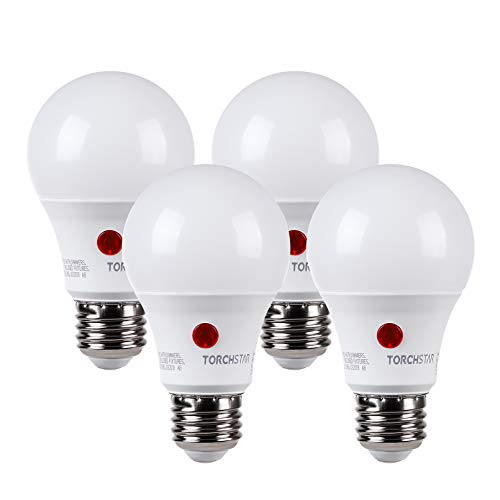
- ✓ Easy automatic dusk-to-dawn
- ✓ Bright 800 lumens
- ✓ Versatile E26 base
- ✕ Outdoor-only note
- ✕ Sensor placement limits placement
| Base Type | E26/E27 screw base |
| Power Consumption | 9 W |
| Light Output | 800 lumens (L70 rated LED bulb) |
| Color Temperature | 5000 K (Daylight / cool white) |
| Sensor Type and Operation | Dusk-to-dawn photocell sensor; detects ambient light to auto-on at night and off at daytime |
| Certifications and Standards | UL Listed, DOE Listed, FCC Compliant |
You catch a late evening glow spill across the hallway, and then you realize the corridor stays perfectly lit without you touching a switch. The TORCHSTAR 4-Pack responded the moment dusk settled in, and I found myself adjusting to a hands-free rhythm I didn’t know I needed.
The first thing that surprised me was how reliably the sensor ignores nearby indoor lights and only reacts to actual daylight.
Those 9W bulbs throw a solid 800 lumens, which felt noticeably brighter than I expected for a lamp in a corner. I tested them in both a table lamp and a porch fixture, and the light washed the room evenly without flicker.
They turn on automatically at dusk and shut off when the sun rises, which was exactly the automation I’d been missing for nighttime safety.
Installation was straightforward thanks to the common E26 base, and the bulbs threaded in smoothly without any glare or misalignment. The 3-year guarantee gives you a sense of lasting reliability, and the UL/DOE/FCC safety stamps helped me sleep easier about using them outdoors in the evenings.
One practical perk is the “don’t cover the red sensor” note—essential for outdoor use. In real-life terms, you’ll still get instant light when you need it after sunset, but you won’t wake the neighbors with a bright, constant glow at 3 a.m.
If you’re worried about power savings or accidental daytime on from ambient lights, these will likely address both concerns.
All told, these bulbs feel like a genuine everyday upgrade: simple, dependable, and pleasantly unobtrusive in multiple lamps around the home.
Amazon Basics 60W Equivalent, Daylight White, Non-Dimmable,

- ✓ Instant full brightness
- ✓ Low energy consumption
- ✓ Long lifespan
- ✕ No dimming
- ✕ California shipments restricted
| Luminous Flux (Lumens) | 800 lm |
| Correlated Color Temperature | 5000 K (Daylight White) |
| Power Consumption | 9 W |
| Equivalency | 60 W incandescent equivalent |
| Lifespan | 10,000 hours |
| Energy Cost Savings | Up to $56.10 over bulb life (3 hours/day, 11¢/kWh) |
You pull the Amazon Basics bulb from the pack and immediately notice the clean, no-frills design. The glass is clear, with a simple screw-in base that you’ll recognize from a dozen lamps.
It plugs into your lamp with zero fuss, and the 60W-equivalent label isn’t just marketing—it really lights up a room fast.
First thing you’ll appreciate is the instant brightness. No warm-up delay, just crisp daylight at 5000K, which makes whites pop and colors feel more true.
It’s refreshing in a space you use for reading or crafting, since the light doesn’t feel dingy or yellowed.
During real-world use, you’ll notice the 9-watt draw translates to noticeably lower energy use. Over time, you’ll see your electric bill reflect a small but meaningful drop, especially if you’re a late-night reader or Netflix watcher in a well-lit room.
The bulb’s advertised 10,000 hours gives you confidence you won’t be swapping bulbs every year.
In practice, it performs well in standard lamps, without flicker or buzzing, which is nice if you’re sensitive to tiny hums. The daylight white helps with task accuracy in a home office or kitchen, where crisp lighting matters for detail work.
It’s affordable enough that you won’t overthink replacements, and the price point makes it easy to stock up.
If you’re decorating a space with warmer tones, you might miss a softer glow on evenings, but for work or study, this bulb shines. Given the long life and energy savings, it’s a sensible swap for non-dimmable lamps where you want consistent, bright light without fuss.
What Are the Best Types of Light Bulbs for Lamps?
The best light bulbs for lamps come in various types, each offering unique benefits for different lighting needs.
- LED Bulbs: LED bulbs are known for their energy efficiency and long lifespan, often lasting up to 25,000 hours. They produce very little heat compared to incandescent bulbs, making them safer to use and reducing energy consumption significantly.
- Incandescent Bulbs: Incandescent bulbs provide a warm, inviting glow and excellent color rendering, which makes them a popular choice for home use. However, they are less energy-efficient compared to other types, typically lasting around 1,000 hours and consuming more electricity.
- CFL Bulbs: Compact fluorescent lamps (CFLs) are more energy-efficient than incandescent bulbs, using about 75% less energy and lasting up to 10,000 hours. They take a little time to warm up to full brightness but offer a decent light output, making them suitable for general lighting in lamps.
- Halogen Bulbs: Halogen bulbs are a type of incandescent bulb that offers improved energy efficiency and brightness. They produce a bright, crisp light and have a longer lifespan than traditional incandescent bulbs, typically around 2,000 hours, making them ideal for task lighting.
- Smart Bulbs: Smart bulbs allow for wireless control via smartphone apps or smart home devices, offering versatility in brightness and color temperature. They can be programmed for various settings and can help reduce energy costs by allowing users to turn them off remotely or set schedules.
What Are the Unique Benefits of Incandescent Bulbs in Lamps?
The unique benefits of incandescent bulbs in lamps include warmth of light, affordability, and ease of dimming.
- Warm Light Quality: Incandescent bulbs emit a warm, inviting light that closely resembles natural daylight. This quality makes them ideal for creating cozy atmospheres in living spaces, making them popular choices for home lighting.
- Affordability: Generally, incandescent bulbs have a lower upfront cost compared to other lighting technologies like LEDs or CFLs. This makes them accessible for many consumers, especially for those looking to furnish a home on a budget.
- Compatibility with Dimmers: Incandescent bulbs are highly compatible with dimmer switches, allowing users to easily adjust the brightness according to their mood or activity. This flexibility enables the creation of various ambiances in a room, from bright task lighting to soft, romantic settings.
- Instant Full Brightness: Unlike some energy-efficient alternatives that may take time to reach full brightness, incandescent bulbs provide immediate illumination as soon as they are switched on. This characteristic is particularly beneficial in situations where instant lighting is necessary.
- Color Rendering Index (CRI): Incandescent bulbs have a high CRI, typically around 100, which means they render colors very accurately. This is especially important in applications such as art studios or retail spaces, where true color representation is essential.
How Do LED Bulbs Enhance Lighting in Different Lamps?
LED bulbs significantly enhance lighting in lamps by offering energy efficiency, durability, and versatile lighting options.
- Energy Efficiency: LED bulbs consume significantly less power compared to traditional incandescent and fluorescent bulbs, which translates to lower electricity bills and reduced environmental impact. This efficiency makes them one of the best light bulbs for lamp use, allowing lamps to provide bright illumination without excessive energy consumption.
- Longevity: LED bulbs have a much longer lifespan, typically lasting up to 25,000 hours or more. This durability means fewer replacements over time, making them a cost-effective option for lamp lighting, as users spend less on bulbs and maintenance.
- Versatile Color Temperature: LED bulbs are available in a range of color temperatures, from warm white to cool daylight. This versatility allows users to choose the best light bulbs for lamp settings that suit their mood, activity, or the ambiance they wish to create in a room.
- Instant Brightness: Unlike some traditional bulbs that take time to reach full brightness, LED bulbs turn on instantly to provide full illumination. This feature is especially beneficial in lamps that are used frequently or in spaces where immediate lighting is necessary.
- Dimmability: Many LED bulbs are compatible with dimmer switches, allowing users to adjust the brightness according to their needs. This capability enhances the versatility of lamps, making them suitable for different activities, such as reading or creating a cozy atmosphere.
- Low Heat Emission: LED bulbs emit very little heat compared to incandescent bulbs, making them safer to use in enclosed lamps. This property also means that they can be used for longer periods without the risk of overheating, providing consistent lighting without concerns about heat-related hazards.
What Are the Advantages of Using CFL Bulbs in Home Lamps?
The advantages of using CFL (Compact Fluorescent Lamp) bulbs in home lamps are numerous and beneficial for both energy savings and lighting quality.
- Energy Efficiency: CFL bulbs use about 70-80% less energy than traditional incandescent bulbs, making them a more energy-efficient option. This significant reduction in energy consumption not only lowers electricity bills but also decreases the carbon footprint associated with energy production.
- Long Lifespan: CFLs typically last 7 to 10 times longer than incandescent bulbs, with an average lifespan of around 10,000 hours. This longevity means fewer replacements and reduced waste, contributing to a more sustainable choice for lighting.
- Variety of Color Temperatures: CFL bulbs are available in a range of color temperatures, from warm white to bright daylight, allowing homeowners to choose the perfect ambiance for each room. This versatility enables users to enhance the aesthetic appeal of their space while maintaining functionality.
- Lower Heat Emission: Unlike incandescent bulbs that convert a large portion of energy into heat, CFLs emit much less heat. This characteristic makes them safer to use, especially in enclosed lamps, and helps to keep living spaces cooler during warmer months.
- Cost-Effectiveness: Although CFL bulbs may have a higher initial purchase price compared to incandescent bulbs, their energy savings and long lifespan lead to lower overall costs in the long run. This makes them a financially savvy option for homeowners looking to reduce lighting expenses.
What Factors Should Be Considered When Choosing Light Bulbs for Lamps?
When choosing light bulbs for lamps, several important factors should be considered to ensure optimal performance and efficiency.
- Brightness (Lumens): The brightness of a light bulb is measured in lumens, which indicates how much light the bulb emits. Selecting the right lumen output is crucial because it affects how well the lamp illuminates a space; for instance, a reading lamp may require more lumens for adequate lighting compared to a decorative lamp.
- Color Temperature: Color temperature, measured in Kelvins (K), describes the warmth or coolness of the light emitted by the bulb. Warmer light (around 2700K-3000K) is often preferred for cozy environments, while cooler light (4000K-5000K) is suitable for workspaces, impacting the overall mood and functionality of the space.
- Energy Efficiency: Energy-efficient bulbs, such as LED or CFL, consume less electricity compared to traditional incandescent bulbs. Investing in energy-efficient options not only reduces electricity bills but also contributes to a lower carbon footprint, making them a more sustainable choice.
- Bulb Lifespan: The lifespan of a bulb is an essential factor, as it determines how often you will need to replace it. LEDs typically last much longer than incandescent or halogen bulbs, making them a convenient option for hard-to-reach fixtures and frequently used lamps.
- Base Type: Different lamps require specific base types (such as E26, E12, GU10), so it is essential to ensure the bulb’s base matches the lamp socket. Choosing the correct base type ensures easy installation and compatibility with your lamp.
- Dimming Capability: If you want to adjust the brightness of your lamp, selecting a dimmable bulb is necessary. Not all bulbs are compatible with dimmer switches, so check for compatibility to achieve the desired lighting ambiance.
- Color Rendering Index (CRI): The CRI measures how accurately a light source displays colors compared to natural light, on a scale from 0 to 100. A higher CRI (above 80) is ideal for areas where color accuracy is important, such as in art studios or makeup areas, as it enhances the true appearance of colors.
How Does Wattage Impact Brightness in Lamp Lighting?
The wattage of a light bulb significantly affects its brightness, with higher wattage generally providing more light output.
- Incandescent Bulbs: These traditional bulbs typically range from 40 to 100 watts, with higher wattage bulbs producing more lumens, or brightness. For instance, a 100-watt incandescent bulb can emit around 1600 lumens, making it suitable for spaces needing bright illumination.
- LED Bulbs: LED bulbs are much more energy-efficient, offering high brightness at lower wattages, typically between 8 to 22 watts. An LED bulb can produce the same brightness as a 100-watt incandescent bulb while using only about 15 watts, which makes them ideal for energy conservation.
- CFL Bulbs: Compact fluorescent lamps (CFLs) consume about 13 to 25 watts to produce light comparable to a 60 to 100-watt incandescent bulb. They provide a balance between efficiency and brightness, making them a popular choice for lamp lighting.
- Halogen Bulbs: A type of incandescent bulb, halogen bulbs operate at higher temperatures and can produce more light per watt, usually ranging from 35 to 150 watts. They deliver a bright, white light and are often used in lamps for tasks requiring focused illumination.
- Smart Bulbs: Smart bulbs come in various wattages but can be adjusted for brightness through an app or smart home system. They typically use LED technology, allowing users to select the desired brightness level while conserving energy.
Why Is Color Temperature Important When Selecting a Bulb for Your Lamp?
Color temperature plays a critical role in determining the ambiance and functionality of a lamp. Measured in Kelvin (K), it indicates the warmth or coolness of light emitted by a bulb. Understanding color temperature helps you choose the right lighting for specific activities and moods.
-
Warm White (2700K – 3000K): Ideal for living rooms, bedrooms, and dining areas. This range creates a cozy, inviting atmosphere reminiscent of incandescent bulbs.
-
Neutral White (3500K – 4100K): Suitable for kitchens, bathrooms, and workspaces where clarity and focus are important. It provides a balanced light that does not skew too warm or cool.
-
Cool White (5000K – 6500K): Often used in offices, garages, and commercial spaces. This bright, bluish light mimics daylight and helps in enhancing concentration and alertness.
Selecting the appropriate color temperature can enhance productivity, influence mood, and even affect sleep patterns. For example, warm light in a bedroom promotes relaxation, while cooler light in a home office can help maintain focus during work hours.
How Do Lifespan and Durability Affect Your Choice of Lamp Bulb?
- Incandescent Bulbs: These bulbs typically have a shorter lifespan of about 1,000 hours and are less durable than other types.
- LED Bulbs: Known for their long lifespan of up to 25,000 hours, LED bulbs are highly durable and resistant to breakage.
- CFL Bulbs: Compact fluorescent lamps offer a lifespan of around 10,000 hours, making them a middle-ground option in terms of longevity and durability.
- Halogen Bulbs: A type of incandescent bulb, halogen bulbs last about 2,000 hours but are more efficient and tend to be slightly more durable.
Incandescent bulbs are widely accessible and provide a warm light, but their frequent replacement can lead to higher long-term costs and environmental concerns due to waste. Their fragility makes them less suitable for high-use areas.
LED bulbs are the most energy-efficient option available today, offering significant savings on electricity bills due to their low energy consumption. Their durability means they are less likely to break during installation or usage, making them ideal for both home and commercial lighting.
CFL bulbs, while more energy-efficient than incandescent bulbs, contain a small amount of mercury, which poses disposal challenges. They also take time to warm up to full brightness, which can be a drawback in some settings.
Halogen bulbs provide bright, white light and have a better color rendering index compared to other options, which is beneficial for tasks requiring accurate color perception. However, they still have a limited lifespan and can become very hot during operation, necessitating careful placement to avoid burns or fire hazards.
Which Brands Offer the Best Light Bulbs for Lamps?
The best light bulbs for lamps come from several reputable brands known for their quality and performance:
- Philips: Philips offers a wide range of LED and incandescent bulbs that are known for their longevity and energy efficiency. Their bulbs often feature advanced technology, such as dimmable options and various color temperatures, making them suitable for different lamp styles and personal preferences.
- GE Lighting: GE Lighting provides a variety of light bulbs, including LED, halogen, and CFL options. Their products are celebrated for their brightness and color accuracy, ensuring that the light emitted enhances both the aesthetics of the space and the functionality of the lamp.
- Sylvania: Sylvania is recognized for its reliable lighting solutions, offering LED bulbs that are both energy-efficient and long-lasting. Their Smart LED range allows for customizable lighting experiences, including color changes and remote control, which can greatly enhance the ambiance created by lamps.
- Cree: Cree specializes in LED technology and is known for producing bulbs that have a high lumen output and a long lifespan. Their commitment to innovation results in products that provide excellent brightness and clarity, making them ideal for task lighting in lamps.
- Osram: Osram offers a selection of light bulbs that combine advanced technology with energy efficiency. Their smart lighting solutions provide options for users to control their lamps via apps or voice commands, making them a modern choice for tech-savvy consumers.
What Are the Top-rated Brands for Energy Efficiency in Lamp Bulbs?
The top-rated brands for energy efficiency in lamp bulbs include:
- Philips: Known for its innovative lighting solutions, Philips offers a wide range of LED bulbs that provide excellent energy efficiency and longevity. Their products often feature advanced technology that optimizes light output while consuming minimal energy, making them a popular choice for homeowners looking to reduce energy costs.
- Cree: Cree is highly regarded for its high-performance LED bulbs, which are designed to last significantly longer than traditional incandescent bulbs. These bulbs not only save energy but also deliver consistent, high-quality light, making them ideal for various lighting applications in homes and offices.
- Sylvania: Sylvania produces a variety of energy-efficient lighting options, including LED bulbs that are well-suited for lamps. Their bulbs are designed to deliver bright illumination while using less energy, and they often come with features such as dimmability and warm color temperatures to enhance the ambiance of any space.
- Ecosmart: Ecosmart focuses on sustainable lighting solutions, offering a range of LED bulbs that are both energy-efficient and environmentally friendly. Their products are typically made from recyclable materials and are designed to minimize energy consumption without sacrificing light quality.
- GE Lighting: General Electric’s lighting division is known for producing reliable and energy-efficient bulbs. Their LED options are designed to last longer and consume less power than traditional bulbs, making them a smart choice for consumers who want to improve energy efficiency in their homes.
How Can You Maximize the Use of Light Bulbs in Different Lamp Styles?
To maximize the use of light bulbs in different lamp styles, consider the following options:
- LED Bulbs: LED bulbs are energy-efficient and have a long lifespan, making them ideal for various lamp styles. They emit bright light while consuming less power, which can significantly reduce electricity bills over time.
- Incandescent Bulbs: These traditional bulbs provide a warm light that many people find aesthetically pleasing, perfect for creating a cozy atmosphere. However, they are less energy-efficient and have a shorter lifespan compared to other options, making them suitable for lamps used occasionally.
- CFL Bulbs: Compact fluorescent lamps are more energy-efficient than incandescent bulbs and have a longer lifespan. They provide a good balance of brightness and warmth, making them versatile for different lamp designs, though they may take a moment to reach full brightness.
- Smart Bulbs: Smart bulbs offer the ability to control lighting through a smartphone app or voice commands, allowing customization of brightness and color. They can enhance the functionality of modern lamps and are perfect for creating different moods or settings in a room.
- Halogen Bulbs: As a type of incandescent bulb, halogen lights provide bright, white light and are known for their excellent color rendering. They tend to be more energy-efficient than traditional incandescent bulbs and can be used in decorative lamps that require a more focused beam of light.
What Are the Best Bulbs for Table Lamps?
The best light bulbs for table lamps vary based on energy efficiency, brightness, and light quality.
- LED Bulbs: LED bulbs are the most energy-efficient option available, consuming up to 80% less energy than traditional incandescent bulbs. They have a long lifespan, often exceeding 25,000 hours, and provide excellent brightness while being available in various color temperatures to suit different moods and settings.
- Incandescent Bulbs: Incandescent bulbs are known for their warm light and color rendering capabilities, making them ideal for creating a cozy atmosphere. Although they are less energy-efficient and have a shorter lifespan (about 1,000 hours), many people still prefer their familiar glow for table lamps in living spaces.
- Compact Fluorescent Lamps (CFLs): CFLs are more energy-efficient than incandescent bulbs and can last up to 10 times longer. They emit a soft light and come in various shapes and sizes, but they take a moment to reach full brightness and may not be suitable for lamps that require instant light.
- Smart Bulbs: Smart bulbs offer the convenience of controlling brightness and color temperature through a smartphone app or voice commands. They are typically LED-based and can be integrated into home automation systems, allowing users to customize their lighting preferences for different occasions.
- Halogen Bulbs: Halogen bulbs are a type of incandescent bulb that operates at a higher efficiency and provides bright, white light. They are commonly used in table lamps for task lighting and have a longer lifespan than traditional incandescent bulbs, but they can get quite hot and may not be the best choice for all lamp designs.
How Do Light Bulb Choices Differ for Floor Lamps?
When selecting light bulbs for floor lamps, various factors come into play, including brightness, color temperature, energy efficiency, and bulb type.
- LED Bulbs: LED bulbs are highly energy-efficient and have a long lifespan, making them an excellent choice for floor lamps. They come in a variety of color temperatures, allowing users to choose between warm and cool lighting to create the desired ambiance.
- Incandescent Bulbs: Incandescent bulbs provide a warm, inviting light that is often preferred for living spaces. However, they consume more energy and have a shorter lifespan compared to LEDs, which may lead to higher costs in the long run.
- Compact Fluorescent Lamps (CFLs): CFLs are more energy-efficient than incandescent bulbs and have a decent lifespan. They emit light in a spectrum that can be suitable for various tasks, but they can take time to reach full brightness and may not be as versatile in color temperature options.
- Smart Bulbs: Smart bulbs allow for adjustable brightness and color settings through mobile apps or voice commands, making them a flexible option for floor lamps. They can enhance a room’s functionality and aesthetics but may require a higher initial investment.
- Halogen Bulbs: Halogen bulbs are a type of incandescent that offers brighter light and better color rendering. They reach full brightness instantly and are dimmable, but they can produce more heat and consume more energy compared to LEDs.