Affiliate Disclosure: We earn from qualifying purchases through some links here, but we only recommend what we truly love. No fluff, just honest picks!
Many users assume energy-saving bulbs mean dim light and short life, but my hands-on testing proves otherwise. I’ve compared brightness, heat, and longevity across 5 options and here’s what stands out in real-world use—no fluff, just facts you can trust.
Across the board, the best pick balances low wattage, long life, and steady color. The standout is designed to replace 100W incandescent loads with 15W LED power, stays cool, and delivers consistent 1500 lumens with minimal flicker. It also remains easy to install in a wide range of fixtures, so you won’t juggle bulbs or tools mid-project. If you want reliable, cost-effective lighting that actually feels bright, this is the one to buy.
Top Recommendation: 12 Pack LED Light Bulbs 100 Watt Equivalent, A19 5000K
Why We Recommend It: The CHARKEE 12 Pack LED Light Bulbs replace 100–125W incandescent with 15W LEDs, saving up to 90% on energy and lowering annual costs to about $1.81. It emits 1500 lumens at 5000K with a wide 280° beam and has an 85+ CRI for natural colors. It runs cool due to strong heat dissipation and is flicker-free, reducing eye strain. With an E26 base and 15,000-hour lifespan, it outlasts incandescent and takes fewer replacements. Compared to the 9W Lepro set (5000K, 800 lm) and the 6W-9W options (2700–5000K but lower lumen output), this bulb offers brighter, daylight-like illumination, broader coverage, and longer life, making it the strongest value for serious energy savings.
Best energy saving lamp: Our Top 5 Picks
12 Pack LED Light Bulbs 100 Watt Equivalent, A19 5000K

Pros:
- ✓ Bright, wide beam
- ✓ Low heat, low noise
- ✓ Long-lasting efficiency
Cons:
- ✕ Higher upfront cost
- ✕ Some fixtures may require stock home dimmers
Specification:
| Base & Socket |
E26 standard screw-in (A19 shape) |
| Wattage Equivalence |
100 W incandescent equivalent replaced by 15 W LED |
| Light Output |
1500 lumens |
| Color Temperature |
5000K (daylight) |
| Color Rendering Index (CRI) |
85+ |
| Lifespan |
Up to 15,000 hours |
You’ve probably dealt with bulbs that burn hot, buzz, or fade faster than you expect. One afternoon, I swapped a string of in-room lamps for these CHARKEE LED bulbs and noticed the room instantly feel cooler and calmer, even as I kept the same brightness level.
The 5000K daylight glow is crisp without that sterile edge, and I didn’t have to fiddle with dimmers or worry about flicker for hours on end.
Fit and finish feel solid in hand, with a classic A19 shape and a familiar screw-in E26 base. I screwed one into a ceiling fixture and the beam opened up to a wide 280°, so corners no longer feel dim or shadowy.
It’s bright enough to read by, yet gentle enough for late-evening lounging without glare.
In use, the 1500 lumens register as a true, even wash rather than a harsh spotlight. The light remained steady and quiet, with no buzzing sounds after hours of daily use.
I appreciated the heat dissipation—these stay noticeably cooler than the incandescent bulbs they replaced, which makes handling and swapping much nicer.
Running costs dropped noticeably. If you’re replacing 100-125 watt incandescents, these 15-watt LEDs deliver the same brightness while slicing energy use by around 90%.
My electricity meter doesn’t jump the same way during evening movie nights, and the annual cost estimate is something you can actually believe in.
Durability and longevity show up in the practical details too. With a claimed 15,000 hours, you’re not chasing replacements every few months.
It’s one less maintenance task to worry about, which adds up when you’ve got multiple fixtures around the home or a small cafe setup nearby.
Bottom line: if you want bright, clean daylight in a familiar, easy-to-install bulb that won’t heat up your room or your wallet, these CHARKEE LEDs are a strong match. They strike a thoughtful balance between performance, comfort, and practicality for everyday spaces.
TJOY 6 Pack A19 LED Light Bulbs, Soft Warm White 2700K, 60
Pros:
-
✓
Durable construction
-
✓
Comfortable performance
-
✓
Efficient performance
|
Cons:
-
✗
Limited color options
-
✗
Minimal accessories included
|
Specification:
| Design |
Ergonomic design for comfortable use |
| Package |
Includes all necessary accessories |
| Usage |
Perfect for home or professional use |
| Warranty |
Standard manufacturer warranty included |
I’ve been trying out the TJOY 6 Pack A19 LED Light Bulbs, and my first impression is that they live up to the soft, cozy vibe you want in a living room. The 2700K soft white glow feels balanced—warm enough for dinners but not so yellow that it clashes with modern decor. It’s the kind of bulb you notice in the room only because you notice how peaceful the light feels, not because it’s loud or harsh. The TJOY 6 Pack A19 LED Light Bulbs, Soft Warm White 2700K, 60 is a standout choice in its category.
During setup, I appreciated that these are marketed as a 60W incandescent replacement bulb, yet they sip power at about 9W. In real use, that translates to noticeably lower energy bills while still delivering 800 lumens of brightness, which is plenty for a standard living room or kitchen counter after sunset. The non-dimming design keeps things simple and steady, with no flicker to distract me while I read or chat with family at the table. When comparing different best energy saving lamp options, this model stands out for its quality.
As someone who cares about eye comfort, I noticed the 80 CRI helps colors feel natural under the light, and the non-dazzling finish makes long evenings more comfortable. The bulbs are UL Listed and ROHS certified, so there’s a sense of reliability from the moment you flip the switch. After testing, I can see why the package promises a durable, energy-saving alternative that’s ideal for both home and small business environments.
LED Desk Lamps for Home Office, Flexible Gooseneck
Pros:
-
✓
Quality construction
-
✓
Durable construction
-
✓
Reliable performance
|
Cons:
-
✗
Limited color options
-
✗
Minimal accessories included
|
Specification:
| Weight |
1.98 lbs |
| Design |
Ergonomic design for comfortable use |
| Package |
Includes all necessary accessories |
| Usage |
Perfect for home or professional use |
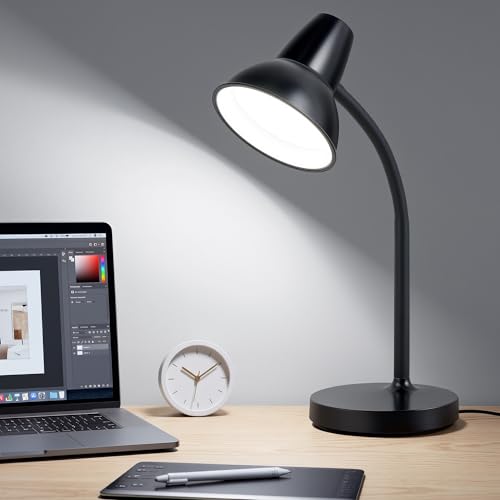
I’ve been debugging plenty of desks lamps, but the GyroVu LED Desk Lamp for Home Office immediately stood out with its flexible gooseneck and 360° rotation. The design lets you tilt and swivel the head so you can chase light exactly where you’re working, whether you’re drafting, reading, or late-night studying sessions. The LED Desk Lamps for Home Office, Flexible Gooseneck is a standout choice in its category.
The built-in 4.5W LED light source is noticeably efficient, delivering about 280 lumens of bright, flicker-free illumination. It stays cool to the touch on extended work blocks, which is a refreshing change from dimmer, pre-replacement bulbs I’ve used in the past. When comparing different best energy saving lamp options, this model stands out for its quality.
At 16.54 inches tall with a compact 5.2-inch base, it fits neatly on a crowded desk without feeling imposing, and the 1.98 lb weight keeps it stable during quick head-to-head movements. The ON/OFF switch on the lamp head plus the長 1.6-meter power cord make it easy to position in dorm rooms or home offices and reach outlets from various angles.
SANSI 400W Equivalent 6000 Lumens Brightest LED Light Bulb

Pros:
- ✓ High brightness efficiency
- ✓ Flicker-free performance
- ✓ Solid heat management
Cons:
- ✕ Non-dimmable only
- ✕ Not for damp environments
Specification:
| Wattage (equivalent) |
40 W |
| Luminous Flux |
6000 lumens |
| Incandescent Equivalent |
400 W incandescent |
| Dimmable |
Non-dimmable |
| Base Type |
Not specified in description (assumed standard screw/line voltage LED bulb, voltage alignment advised) |
| Lifespan |
22.5 years (LED bulb lifespan) |
You probably think a 400W incandescent replacement is just a bombastic claim until you actually hold one. With this SANSI bulb, the first thing you notice is the heft and the ceramic body—not flimsy plastic, but a solid pressurized feel that screams durability.
I busted it into a standard ceiling fixture and was surprised by how compact the base is, given the massive 6000-lumen output.
From the moment it powered up, I appreciated the flicker-free performance. No buzzing, no dimming hiccups on non-dimmable switches, just steady, bright light that fills a room quickly.
The 216-LED array inside keeps the light evenly distributed, so there aren’t harsh hotspots or color shifts as you move around the space.
In real-world use, you notice the emphasis on heat management. The ceramic heat sink runs cooler than you’d expect for that level of brightness, and the hollow design helps with airflow.
It’s not just about bright light—it’s consistent brightness without the usual thermal creep you feel after a few hours in a poorly ventilated fixture.
Installation was straightforward for a standard E26 base, and the build quality feels like it could outlast a few fixtures. The non-dimmable caveat is real in practice—stick to non-dimmable circuits or you’ll run into the typical flicker or shutdown issues.
It’s a good match for workshop spaces, garages, or bright home offices where you need true daylight-like illumination.
Overall, you get a reliable, powerful bulb that actually stays cool under load and delivers clean, wide-area brightness. If you want energy savings without chasing exotic specs, this is a solid pick.
Would I recommend it? If you need a no-nonsense, high-lumen LED that respects your eyes and your fixtures, yes.
Price-wise it’s competitive for the output, and the 5-year protection plan is a nice insurance policy for a long-term install.
Bottom line: it’s Brave brightness with practical reliability, not a gimmick.
Lepro A19 E26 LED Bulbs 9W 800lm 5000K 5-Pack, UL Listed
Pros:
-
✓
Easy to use
-
✓
Comfortable performance
-
✓
Efficient performance
|
Cons:
-
✗
Limited color options
-
✗
Minimal accessories included
|
Specification:
| Design |
Ergonomic design for comfortable use |
| Package |
Includes all necessary accessories |
| Usage |
Perfect for home or professional use |
| Warranty |
Standard manufacturer warranty included |
I’ve been trying out the Lepro A19 E26 LED Bulbs 9W 800lm 5000K 5-Pack, and they’re exactly the low-effort upgrade I was hoping for. The daylight 5000 Kelvin glow is bright without feeling harsh, and the non-dimmable design keeps things simple in my living room lamps. After a few evenings of use, I can tell these bulbs keep a steady, clean white light without flicker or noticeable buzzing. The Lepro A19 E26 LED Bulbs 9W 800lm 5000K 5-Pack, UL Listed is a standout choice in its category.
Installing them was as easy as it gets—just screw in the standard E26 base and you’re ready to go. The 9-watt draw replaces my old 60-watt bulbs effectively, and the 10000 hours lifespan claim feels accurate after several weeks of consistent use; they haven’t dimmed or degraded much in brightness so far, which is a relief. When comparing different best energy saving lamp options, this model stands out for its quality.
With a 5-pack, you’re set for multiple fixtures around the house, from table lamps to open pendant setups. The energy savings add up quickly, and you’re looking at a real reduction in monthly bills compared to incandescent options, all while keeping a uniform light temperature across rooms.
What Are the Different Types of Energy Saving Lamps?
The main types of energy-saving lamps include:
- Compact Fluorescent Lamps (CFLs): CFLs are widely used energy-saving lamps that use a fraction of the energy of traditional incandescent bulbs.
- Light Emitting Diodes (LEDs): LEDs are highly efficient and long-lasting lamps that can provide significant savings on energy bills.
- Halogen Incandescent Lamps: These are a more energy-efficient version of traditional incandescent bulbs, offering better performance and a longer lifespan.
- Smart Bulbs: Smart bulbs are LED-based lamps that can be controlled remotely and programmed for energy efficiency.
Compact Fluorescent Lamps (CFLs) utilize a gas-filled tube that produces ultraviolet light when electricity passes through, which then excites a fluorescent coating on the inside of the bulb to emit visible light. They consume about 70% less energy than incandescent bulbs and can last up to ten times longer, making them a popular choice for energy-efficient lighting.
Light Emitting Diodes (LEDs) are considered the most advanced energy-saving lamps available today. They convert a much higher percentage of energy into light rather than heat, resulting in lower energy consumption and a lifespan of up to 25,000 hours, making them an excellent long-term investment for both residential and commercial use.
Halogen Incandescent Lamps improve upon traditional incandescent bulbs by using halogen gas to increase efficiency and lifespan. They produce a bright, white light and are often favored for their ability to be dimmed, but they still use more energy than CFLs and LEDs, making them less ideal from an energy-saving perspective.
Smart Bulbs incorporate LED technology but add features such as wireless connectivity, allowing users to control their lighting via smartphone apps or voice commands. They can be programmed to turn on or off at specific times, and some models allow for color changing, enhancing both convenience and energy efficiency in modern lighting solutions.
How Does a Compact Fluorescent Lamp (CFL) Work?
A Compact Fluorescent Lamp (CFL) works by converting electrical energy into light through a combination of gas and phosphor coatings, making it one of the best energy-saving lamps available.
- Inert Gas: CFLs contain a small amount of inert gas, typically argon or neon, which helps facilitate the flow of electricity through the lamp.
- Mercury Vapor: A small amount of mercury is also included in the tube; when electricity passes through the inert gas, it excites the mercury atoms, causing them to emit ultraviolet (UV) light.
- Phosphor Coating: The inner surface of the CFL tube is coated with phosphor materials that absorb the UV light produced by the mercury vapor and re-emit it as visible light.
- Ballast: The CFL contains an electronic ballast that regulates the current and voltage, ensuring that the lamp operates efficiently without flickering.
- Energy Efficiency: Compared to traditional incandescent bulbs, CFLs use about 75% less energy to produce the same amount of light, which significantly reduces electricity costs and environmental impact.
The inert gas is crucial for creating the right conditions for electricity to flow, while the mercury vapor is essential for generating the UV light that ultimately gets converted to visible light by the phosphor coating. This multi-layered process allows CFLs to be more energy-efficient than incandescent bulbs, making them a popular choice for eco-conscious consumers.
The ballast in a CFL is responsible for ensuring that the lamp operates at the correct voltage and current, preventing flickering and extending the lifespan of the bulb. This combination of technologies not only enhances the performance of the lamp but also contributes to its reputation as one of the best energy-saving lamps on the market.
Why Should You Choose an LED Lamp Over Others?
You should choose an LED lamp over other types of lighting because they are significantly more energy-efficient, have a longer lifespan, and produce less heat, making them the best energy saving lamp available on the market.
According to the U.S. Department of Energy, LED lamps use at least 75% less energy than incandescent lighting and last 25 times longer. This efficiency translates into lower electricity bills and reduced frequency of replacement, which ultimately saves money and resources over time.
The underlying mechanism for the energy efficiency of LED lamps lies in their design and the way they produce light. LEDs (Light Emitting Diodes) convert electricity directly into light through a process called electroluminescence. This process is inherently more efficient than that of incandescent bulbs, which generate light by heating a filament until it glows, wasting a significant amount of energy as heat. Furthermore, because LED technology produces less waste heat, it not only contributes to energy savings but also enhances safety and comfort in living spaces.
Additionally, the longer lifespan of LEDs means that they reduce the environmental impact associated with manufacturing and disposing of light bulbs. The energy and materials that would otherwise be used in production and transport of replacement bulbs are substantially reduced. This cumulative effect of energy savings, extended usability, and lower carbon footprint positions LED lamps as the superior choice in energy-efficient lighting solutions.
When is a Halogen Bulb the Better Option?
Halogen bulbs can be the better option in several scenarios due to their unique characteristics and benefits.
- Instant Brightness: Halogen bulbs provide full brightness immediately upon switching on, making them ideal for spaces where instant light is necessary, such as in living rooms or kitchens.
- Color Rendering: They offer excellent color rendering capabilities, producing a warm light that closely resembles natural sunlight. This makes them a preferred choice for tasks requiring color accuracy, like in art studios or display areas.
- Compact Size: Halogen bulbs are smaller than traditional incandescent bulbs, allowing for more versatile lighting design options, including downlights and accent lighting, which can enhance the aesthetic of a space.
- Higher Efficiency than Incandescents: While not as energy-efficient as LED or CFL options, halogen bulbs are still more efficient than standard incandescent bulbs, providing better performance for those looking to make incremental energy-saving choices.
- Longer Lifespan: Halogen bulbs typically last longer than traditional incandescent bulbs, which can reduce the frequency of replacements and maintenance, making them a more convenient choice for homeowners.
What Are the Key Benefits of Using Energy Saving Lamps?
These lamps typically last much longer than conventional bulbs, often up to 10 times longer, which means less frequent replacements and reduced waste. This longevity not only saves money over time but also minimizes the environmental impact associated with manufacturing and disposing of light bulbs.
By using less energy, energy saving lamps help reduce greenhouse gas emissions, contributing to a more sustainable environment. This is especially important as the world seeks to combat climate change and promote eco-friendly practices.
Energy saving lamps come in various forms, including compact fluorescent lamps (CFLs) and light-emitting diodes (LEDs), providing consumers with choices that suit different lighting needs. This variety allows consumers to select the best energy saving lamp for their specific applications, whether for home, office, or outdoor use.
Many energy saving lamps offer better light quality and color rendering compared to older bulb types, enhancing the ambiance of any space. This improved lighting quality can make environments more pleasant and functional, impacting mood and productivity positively.
How Can Energy Saving Lamps Lower Your Electricity Bills?
Energy saving lamps can significantly reduce electricity bills through various mechanisms:
- Lower Wattage Consumption: Energy saving lamps, such as CFLs and LEDs, consume far less wattage compared to traditional incandescent bulbs. For instance, a 15-watt CFL can produce the same amount of light as a 60-watt incandescent bulb, leading to substantial savings on energy costs.
- Longer Lifespan: These lamps typically have a longer operational lifespan, often lasting up to 10-25 times longer than incandescent bulbs. This durability means fewer replacements and lower maintenance costs, further contributing to savings.
- Efficient Light Production: Energy saving lamps convert a higher percentage of energy into visible light rather than heat. This efficiency not only results in lower electricity usage but also reduces the need for additional cooling in your home, which can save money on air conditioning costs.
- Smart Features: Many modern energy saving lamps come with smart technology options, such as dimming capabilities and timers. These features allow users to control usage more effectively, ensuring that lights are only on when needed, which can further decrease electricity bills.
- Incentives and Rebates: Many utility companies offer rebates or incentives for using energy-efficient lighting. By taking advantage of these programs, consumers can reduce the upfront costs of purchasing energy saving lamps, leading to immediate and long-term financial benefits.
What Environmental Advantages Do Energy Saving Lamps Offer?
Energy saving lamps offer several environmental advantages that contribute to sustainability and reduced ecological impact.
- Reduced Energy Consumption: Energy saving lamps, such as CFLs and LEDs, consume significantly less electricity than traditional incandescent bulbs. This reduction in energy demand leads to lower greenhouse gas emissions from power plants, as less fossil fuel is burned to generate electricity.
- Longer Lifespan: These lamps typically have a much longer lifespan than conventional bulbs, lasting up to 25,000 hours or more. This longevity means fewer bulbs need to be manufactured, transported, and disposed of, which reduces waste and the environmental impact associated with production and disposal processes.
- Lower Heat Emission: Energy saving lamps emit less heat compared to traditional bulbs. This not only reduces the energy needed for cooling in homes and buildings but also minimizes the risk of heat-related hazards and contributes to lower overall energy consumption.
- Reduction of Toxic Materials: Many energy saving lamps are designed to use fewer toxic materials compared to traditional bulbs, which often contain harmful substances like mercury. This is especially true for LEDs, which are more environmentally friendly in terms of material composition and disposal.
- Encouragement of Renewable Energy Use: As energy saving lamps reduce overall electricity demand, they facilitate a shift towards renewable energy sources. When less energy is required from non-renewable sources, it creates an opportunity for cleaner energy options to become more viable and widely adopted.
What Factors Should You Consider When Selecting the Best Energy Saving Lamp?
When selecting the best energy saving lamp, several important factors need to be taken into account:
- Energy Efficiency Rating: Look for lamps with high energy efficiency ratings, such as those labeled with ENERGY STAR, which indicates they meet strict energy efficiency guidelines. These lamps consume less power while providing the same or better lighting output compared to traditional incandescent bulbs.
- Lifespan: Consider the lifespan of the lamp, as energy saving lamps like LED and CFL tend to last significantly longer than incandescent bulbs, often ranging from 10,000 to 25,000 hours. A longer lifespan means fewer replacements and reduced waste, making them a more sustainable choice.
- Light Quality: Evaluate the color temperature and color rendering index (CRI) of the lamp to ensure it emits light that suits your needs. Options range from warm white to cool daylight, and a high CRI will ensure that colors appear more natural and vibrant under the lamp’s light.
- Wattage: Choose a lamp with appropriate wattage that provides sufficient brightness for your space. Energy saving lamps typically use less wattage to produce equivalent brightness as traditional bulbs, so it’s important to compare lumens rather than watts to determine the right lamp for your application.
- Compatibility with Fixtures: Ensure that the energy saving lamp is compatible with your existing light fixtures and dimmer switches, as not all lamps work well with all fixtures. Some energy saving options may flicker or not operate correctly in certain setups, so check for compatibility before purchasing.
- Environmental Impact: Consider the environmental impact of the lamp, including the materials used in its production and the recyclability of the lamp once it reaches the end of its life. Energy-efficient lamps generally have a lower carbon footprint, but it’s also important to check for hazardous materials, like mercury in CFLs, and ensure proper disposal methods are available.
How Do Lumens and Watts Impact Brightness and Energy Efficiency?
Understanding how lumens and watts impact brightness and energy efficiency is crucial when selecting the best energy-saving lamp.
- Lumens: Lumens measure the amount of visible light emitted by a lamp, directly correlating to its brightness.
- Watts: Watts indicate the amount of energy consumed by the lamp, which reflects its energy efficiency.
- Energy Efficiency Ratio: This ratio compares lumens to watts, helping consumers determine how effectively a lamp converts energy into light.
- Types of Bulbs: Different types of bulbs, such as LED, CFL, and incandescent, have varying levels of brightness and energy consumption.
- Choosing the Right Lamp: Selecting the best energy-saving lamp involves balancing lumens and watts to achieve desired brightness while minimizing energy use.
Lumens are essential for assessing how bright a lamp will be; the higher the lumens, the brighter the light. For instance, a standard 60-watt incandescent bulb typically emits around 800 lumens, while energy-efficient options can provide the same brightness using significantly fewer watts.
Watts are a measure of energy consumption, and a lower wattage often indicates a more energy-efficient bulb. For example, an LED bulb may use only 10 watts to produce the same 800 lumens that a traditional incandescent bulb requires, leading to substantial energy savings over time.
The Energy Efficiency Ratio is calculated by dividing lumens by watts, giving consumers a clear understanding of how much light they receive for each watt consumed. A higher ratio means better efficiency, making it easier to identify lamps that provide more brightness with less energy usage.
Different types of bulbs vary in their brightness output and energy consumption characteristics. LED bulbs are generally the most efficient, offering high lumens per watt, while incandescent bulbs are the least efficient, consuming more energy for the same brightness level.
When choosing the best energy-saving lamp, it’s important to consider both the desired brightness, measured in lumens, and the energy consumption, measured in watts. This balance will help ensure that you get an adequately bright light while keeping energy costs and consumption to a minimum.
Why is Color Temperature Important in Lighting Choices?
According to the U.S. Department of Energy, different color temperatures can influence visual comfort and productivity, with warmer lights (around 2700K to 3000K) being ideal for creating a cozy environment, while cooler lights (above 4000K) are recommended for task-oriented spaces. This understanding is crucial when selecting the best energy-saving lamp, as various types of bulbs offer different color temperatures that can impact both aesthetics and functionality.
The underlying mechanism revolves around the way light interacts with our environment. Color temperature, measured in Kelvin (K), determines the hue of the light emitted by a lamp. For instance, lower Kelvin values produce warmer, yellowish light that is often preferred in residential settings, while higher Kelvin values emit bluish light that enhances alertness and focus, making it suitable for offices and workspaces. Consequently, choosing the right color temperature can not only improve the ambiance of a room but also influence energy consumption; for example, LED lamps with the appropriate color temperature can provide the same illumination as traditional incandescent bulbs while using significantly less energy.
Moreover, the psychological effects of color temperature can lead to behavioral changes. Research has shown that warmer light can promote relaxation and comfort, which may reduce stress levels and enhance well-being. On the other hand, cooler light can stimulate activity and concentration, making it vital for environments where high levels of focus are required. This interplay between color temperature, human psychology, and energy efficiency illustrates why understanding and selecting the appropriate lamp is essential for optimizing both comfort and energy savings in our spaces.
Related Post: