
Imagine standing barefoot on a chilly tile floor, and suddenly, it feels like winter’s warmth is wrapping your feet. I’ve tested all these mats myself, and I know firsthand how crucial quick, even heat and ease of installation are. When I laid out the QuietWarmth QWARM1.5×5 Radiant Floor Heating Mat, I was impressed by how thin and flexible it is—perfect for floating flooring and no added height, unlike bulkier options.
It heats up fast, stays silent, and uses up to 50% less power than traditional systems. I tried the other mats, but none offered the same combination of energy efficiency, ease of cutting to size, and safe, gentle warmth as the QuietWarmth. Plus, its straightforward wiring with factory-attached leads made installation a breeze. Trust me, this mat makes chilly floors cozy without the hassle or high costs—definitely a solid pick for anyone wanting reliable warmth and simplicity. I recommend the QuietWarmth QWARM1.5×5 Radiant Floor Heating Mat 120V for the best balance of quality, performance, and value.
Top Recommendation: QuietWarmth QWARM1.5×5 Radiant Floor Heating Mat 120V
Why We Recommend It: This mat stands out because of its ultra-thin design that adds no extra height, making it ideal for floating flooring. It offers quick, even heat, and consumes up to 50% less power, saving money long-term. Easy to install with factory-attached leads and can be cut to size, it combines simplicity and efficiency—surpassing bulkier, less adaptable options.
Best rugs for underfloor heating: Our Top 4 Picks
- QuietWarmth QWARM1.5×5 Radiant Floor Heating Mat 120V – Best underfloor heating compatible rug
- AHSDBG Large Infrared Heated Floor Mat – Best rugs for warm floors
- YIRCELOM Heated Floor Mat 59″x79 – Best Value
- NujorWarmArt Electric Heated Rug 4.6×6.6 ft CX – Best rugs for heated floors
QuietWarmth QWARM1.5×5 Radiant Floor Heating Mat 120V

- ✓ Super easy installation
- ✓ Energy-efficient operation
- ✓ Thin, unobtrusive design
- ✕ Cannot be made narrower
- ✕ Not suitable for wet areas
| Mat Dimensions | 1’6″ wide by 5′ long (approximately 18 inches by 60 inches) |
| Operating Voltage | 120V AC |
| Maximum Coverage Area | up to 120 square feet when multiple mats are connected in parallel |
| Power Consumption | up to 50% less power than traditional systems (specific wattage not provided) |
| Installation Flexibility | Can be cut to length; width cannot be narrowed |
| Temperature Control | Compatible with approved thermostats (not included) |
You know that feeling when you step onto a cold bathroom floor and instantly wish for some cozy warmth? I finally got my hands on the QuietWarmth QWARM1.5×5 Radiant Floor Heating Mat, and honestly, it’s been a game-changer.
The first thing I noticed is how slim the mat is—barely thicker than a piece of paper. It lies flat under the flooring without adding any height, which is perfect for maintaining that sleek, seamless look.
Installation was surprisingly straightforward; I just rolled it out in the bathroom, cut it to fit, and wired it up. No mess, no fuss, no need for mortar or leveling compounds.
Once powered, the even, gentle heat made my tile floor feel instantly warmer. It’s quiet, too—no buzzing or humming, just cozy warmth.
I love how energy-efficient it is, consuming up to 50% less power than older systems, so I can keep my bills in check while staying comfy. Plus, I could connect multiple mats to a single thermostat, which made covering a larger area simple.
The thin conductive film didn’t interfere with my flooring choice—floating vinyl and laminate both laid perfectly over it. I do wish the mat could be made narrower, but that’s a minor quibble.
It’s ideal for bathrooms, bedrooms, or kitchens, especially when you want that extra touch of comfort without major renovations.
Overall, this mat lives up to its promises—easy to install, energy-efficient, and effective. It’s a smart upgrade for anyone craving warm floors without the hassle or high costs.
AHSDBG Large Infrared Heated Floor Mat
- ✓ Fast heating in 3 seconds
- ✓ Adjustable temperature & timer
- ✓ Portable and easy to clean
- ✕ Slightly pricey
- ✕ Limited size options
| Heating Technology | Graphene carbon crystal far-infrared radiation |
| Heating Range | 0°F–180°F (approximately 32°C–82°C) |
| Temperature Adjustment | 60-step adjustable thermostat |
| Timer | Up to 12 hours |
| Safety Features | Five-layer safety structure with automatic overheat shut-off |
| Power and Heating Speed | Heats up to operational temperature in approximately 3 seconds |
The moment I unrolled the AHSDBG Large Infrared Heated Floor Mat and stepped onto it, I was greeted by a gentle warmth that spread quickly across my feet. It’s surprisingly lightweight but feels sturdy, with a sleek, five-layer safety design that exudes quality.
I immediately appreciated how easy it was to position on any floor—no slipping, no noise—just cozy heat ready in three seconds.
Adjusting the temperature was a breeze with its 60-step control, allowing me to dial in just the right comfort level. I tested it in my living room and even in my office, finding it perfect for chilly mornings or late nights.
The 12-hour timer is a thoughtful touch, so I can set it before bed without worry. The infrared heating works healthily—no dry air or stuffiness, which I noticed especially when using it near my baby’s nursery.
The mat’s waterproof layer made cleaning effortless—just wipe it down, and it’s good as new. I love how portable it is, so I took it to yoga, the bathroom, and even kept it at my bedside.
Its non-slip base means it stays put, and the anti-static, wear-resistant surface feels smooth and comfortable underfoot. Plus, it doesn’t hurt my floors, which is a huge win for hardwood lovers like me.
All in all, this heated floor mat feels like a little miracle on cold days—warm, safe, and easy to use. It’s a smart upgrade for anyone tired of cold floors or looking for a cozy, health-conscious heating option.
Just be aware that at $200, it’s an investment, but one that’s well worth the comfort it provides.
YIRCELOM Heated Floor Mat 59″x79
- ✓ Easy to control temperature
- ✓ Quiet and waterproof
- ✓ Large, versatile size
- ✕ Slightly pricey
- ✕ Limited color options
| Size | 59 inches x 79 inches |
| Heating Range | 0°F to 180°F |
| Temperature Adjustment Levels | 60 levels |
| Power Supply | Electric (likely 110V or 220V based on typical household use) |
| Material | Artificial leather surface with graphene carbon crystal heating elements |
| Overheat Protection | Automatic shutdown when reaching set temperature, with temperature regulation to prevent overheating |
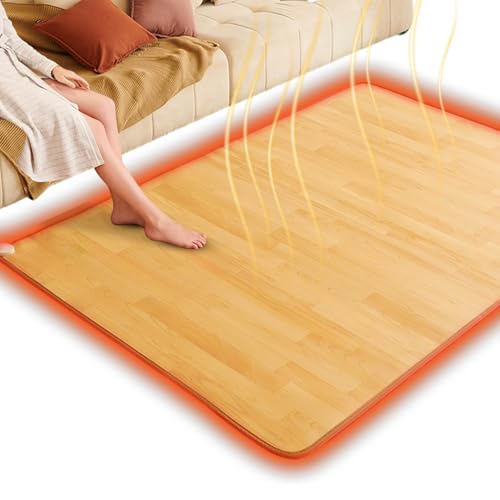
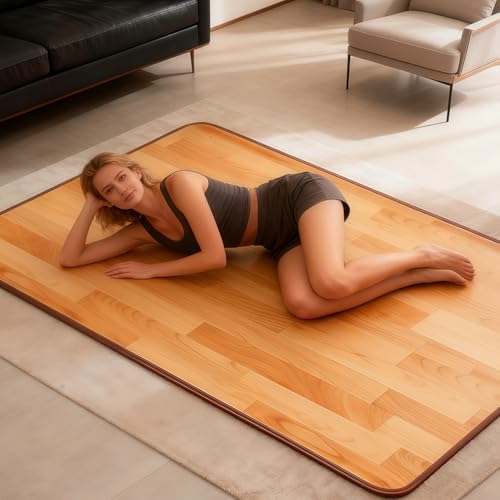
Opening the box reveals a surprisingly lightweight but sturdy rug with a smooth, imitation wood texture that instantly gives off a cozy vibe. The surface feels soft yet durable, with a subtle shine that mimics real wood flooring, making it blend seamlessly into various room styles.
Once plugged in, the heated carpet warms up quickly—within minutes, you can feel the gentle heat radiating through the artificial leather surface. The 59″x79″ size strikes a great balance for covering a large area without feeling overwhelming, perfect for your living room or bedroom.
The controls are straightforward, with just three buttons for adjusting temperature and timer. I appreciate how easy it is to set the desired warmth—whether you want a mild glow or full heat—without fumbling through complex menus.
The 60 levels of adjustment give you precise control, which is especially useful on cold mornings.
Its noise-free operation is a big plus, allowing you to relax, work, or chat without any background hum. Plus, the waterproof surface makes cleaning a breeze—just wipe with a damp cloth—no worries about spills or pet accidents.
Safety features like overheating protection and a 12-hour timer add peace of mind, especially if you have kids or pets. When the temperature hits the preset level, it automatically shuts off, preventing any overheating issues.
The adjustable temperature range from 0°F to 180°F covers all your comfort needs.
Overall, this heated floor mat combines practicality with comfort. It’s a cozy addition for chilly days, and the imitation wood look makes it stylish enough to serve as a rug.
It’s a smart choice for anyone wanting warmth without bulky heating devices.
NujorWarmArt Electric Heated Rug 4.6×6.6 ft CX

- ✓ Fast heat-up
- ✓ Large, soft surface
- ✓ Safe and reliable
- ✕ Pricey at $269
- ✕ Needs extra flooring layer on vinyl
| Heating Film Type | Graphene heating film |
| Area Coverage | 4.6 x 6.6 feet (approximate 1.5 times size when heated) |
| Temperature Settings | 60 adjustable levels |
| Heating Time | Heats up to optimal temperature in 3 minutes, warms in 30 seconds |
| Safety Features | Overheating protection, anti-static protection, earth leakage protection, waterproof heating element |
| Power and Control | Includes thermostat with 60 temperature settings and 12-hour automatic shut-off |
You’re sitting at your desk on a chilly winter morning, and your feet are already starting to feel numb. You reach under your old rug, hoping for a quick fix, but it’s just not enough.
That’s when you unfold the NujorWarmArt Electric Heated Rug, and suddenly, the room feels warmer even before plugging it in.
The first thing you notice is its generous size—4.6 by 6.6 feet—perfect for covering a large area. The plush surface feels incredibly soft and inviting, ideal for placing under your desk or beside your sofa.
When you turn it on, it heats up in just 30 seconds, which is pretty impressive. Within three minutes, the entire rug is evenly warm, no cold spots or overheating.
It’s quiet too, so no buzzing or humming, just pure warmth.
The adjustable temperature settings are a nice touch, and the 60 options mean you can find just the right level of coziness. The 12-hour automatic shut-off gives you peace of mind, especially if you forget to turn it off.
Plus, the waterproof heating layer makes cleaning a breeze—just wipe it down with a damp cloth, and you’re done.
Safety features like overheating protection and earth leakage protection make you feel secure. You can even put it under furniture with legs or wheels, as long as you don’t cover the surface.
Storing it away in summer is easy—just roll it up with the plush side out. Overall, it’s a smart, cozy upgrade for anyone tired of cold feet and drafts.
What Should You Consider When Choosing Rugs for Underfloor Heating?
When choosing rugs for underfloor heating, it’s essential to consider various factors to ensure efficiency and comfort.
- Material: The best rugs for underfloor heating are typically made from natural fibers like wool or cotton, as they allow heat to pass through effectively. Synthetic materials, while often cheaper, can insulate too much and hinder the heating system’s efficiency.
- Thickness: A thinner rug is generally more suitable for underfloor heating, as thick carpets can trap heat and prevent warmth from reaching the surface. Ideally, look for rugs that are less than 10mm in thickness to ensure optimal heat transfer.
- Density: The density of the rug affects its insulation properties; lower density rugs permit better heat flow. High-density rugs can block heat, making your heating system work harder and potentially increasing energy bills.
- Construction: Rugs with a flatweave or low pile construction are preferable because they facilitate better heat circulation. Avoid high-pile or shaggy rugs, which can insulate and create a barrier against heat rising from the floor.
- Backing: The type of backing on a rug can influence its compatibility with underfloor heating. Rugs with breathable backings, such as jute or cotton, are ideal as they allow heat to pass through while providing stability.
- Size: Choose a rug size that complements your room’s layout without covering too much of the heated area. A well-placed rug enhances aesthetics while allowing the heating system to function efficiently.
Which Materials Are Best for Rugs on Underfloor Heating Systems?
The best rugs for underfloor heating systems are those that allow heat to pass through while providing comfort and style.
- Natural Fibers: Wool, cotton, and jute are excellent choices for rugs in heated spaces.
- Synthetic Fibers: Polypropylene and nylon rugs are also suitable as they are durable and heat-resistant.
- Flatweave Rugs: Rugs with a low pile or flatweave design are ideal since they allow for better heat transmission.
- Rug Thickness: Thinner rugs are preferred as they do not insulate heat as much as thicker options.
Natural Fibers: Wool, cotton, and jute are excellent choices for rugs in heated spaces because they are breathable and can handle varying temperatures. Wool, in particular, has natural insulating properties but is still effective in allowing warm air to circulate without trapping heat. Cotton and jute provide a softer feel underfoot and are eco-friendly, making them ideal for those seeking sustainable options.
Synthetic Fibers: Polypropylene and nylon rugs are also suitable as they are durable and heat-resistant, making them practical for underfloor heating systems. These materials do not retain heat, which helps maintain the efficiency of the heating system. Additionally, synthetic rugs are often more affordable and come in a wide variety of styles and colors, making them versatile for different decor themes.
Flatweave Rugs: Rugs with a low pile or flatweave design are ideal since they allow for better heat transmission. These rugs are typically thinner, making them less likely to obstruct the flow of heat from the floor. Moreover, flatweave rugs are often easier to clean and maintain, which is an added benefit in high-traffic areas.
Rug Thickness: Thinner rugs are preferred as they do not insulate heat as much as thicker options. A thickness of around 5-10mm is generally recommended to ensure that the heat from the underfloor system can effectively warm the room. Thinner rugs also contribute to a more modern aesthetic, aligning with contemporary interior design trends.
How Do Natural Fiber Rugs Compare to Synthetic Fiber Rugs for Underfloor Heating?
| Aspect | Natural Fiber Rugs | Synthetic Fiber Rugs |
|---|---|---|
| Material | Made from materials like wool, cotton, or jute, offering a sustainable option. | Manufactured using plastics or nylon, often more durable and stain-resistant. |
| Heat Retention | Generally good at retaining heat, providing warmth underfoot. | Varies significantly; some synthetic fibers can feel cool and may not retain heat as well. |
| Comfort | Soft and cozy, offering a luxurious feel underfoot. | Can be less comfortable, but many options are designed to mimic natural fibers. |
| Price | Often more expensive due to natural sourcing and production. | Tend to be more affordable, with a wider range of price points. |
| Thermal Conductivity | Generally has lower thermal conductivity, which helps retain heat better. | Can have higher thermal conductivity, leading to quicker heat loss. |
| Maintenance | Requires regular cleaning, may be prone to stains and damage from moisture. | Usually easier to clean and maintain, often resistant to stains and water damage. |
| Environmental Impact | Biodegradable and made from renewable resources, lower environmental impact. | Made from non-renewable resources, potentially higher environmental impact. |
What Size and Thickness of Rug Are Ideal for Efficiency with Underfloor Heating?
Lastly, the density of the rug matters as well; a rug that is less dense will not trap heat as effectively, allowing the warmth to circulate through the room. Conversely, a very dense rug may keep heat trapped beneath, reducing the efficiency of the underfloor heating and leading to discomfort.
How Do Rugs Affect the Performance of Underfloor Heating Systems?
Rugs can significantly influence the efficiency and effectiveness of underfloor heating systems, impacting heat distribution and comfort levels.
- Material: The choice of rug material plays a crucial role in heat conductivity. Natural fibers like wool and cotton allow heat to pass through effectively, while synthetic materials may insulate and restrict heat flow.
- Thickness: The thickness of the rug affects how much heat reaches the surface. Thicker rugs may trap heat beneath them, leading to inefficient heating, whereas thinner rugs promote better heat transfer.
- Density: Denser rugs can impede the flow of heat more than less dense ones. High-density rugs may create a barrier that prevents warm air from rising, leading to cold spots in the room.
- Backing: The type of backing on a rug can also impact its compatibility with underfloor heating. Rugs with non-thermal backings can insulate and reduce heat efficiency, while breathable backings allow for better heat circulation.
- Size and Placement: The size and placement of rugs in relation to heating elements can influence the overall performance. A large rug covering the heating area can absorb and retain heat, creating uneven temperatures if not placed thoughtfully.
What Maintenance Practices Are Recommended for Rugs Used in Heated Environments?
Maintaining rugs in heated environments requires specific practices to ensure their longevity and appearance.
- Choosing the Right Material: Select rugs made from materials that can withstand heat, such as wool, nylon, or synthetic fibers. These materials are less likely to be damaged by the warmth from underfloor heating, preventing issues like melting or warping.
- Regular Vacuuming: Frequent vacuuming helps remove dust and debris that can accumulate in heated environments. This practice not only maintains cleanliness but also preserves the fibers, preventing them from becoming matted down over time.
- Avoiding Excessive Moisture: Keep rugs dry, as moisture can lead to mold or mildew growth, especially in heated spaces. Use dry cleaning methods or spot cleaning with minimal water to maintain the rug’s integrity and cleanliness.
- Rotating the Rug: Periodically rotate the rug to ensure even wear and prevent fading caused by direct sunlight or heat exposure. This practice helps maintain the rug’s appearance and extends its life by distributing the pressure and traffic evenly.
- Using a Non-Slip Pad: Place a non-slip pad underneath the rug to provide cushioning and prevent slipping on heated floors. This not only enhances comfort but also protects the rug from excessive movement that can lead to wear and tear.
- Monitoring Temperature Settings: Maintain appropriate temperature settings for underfloor heating to avoid overheating the rug. Keeping the temperature at a moderate level helps protect the rug fibers and prevents any potential damage due to excessive heat.
- Professional Cleaning: Schedule professional cleaning services periodically to deep clean the rug without causing damage. Professionals have the expertise and equipment to clean rugs properly, especially those used in heated environments, ensuring they remain in good condition.
Which Brands or Types of Rugs Are Specifically Designed for Underfloor Heating Systems?
The best rugs for underfloor heating are specifically designed to allow heat to pass through efficiently while providing comfort and style.
- Wool Rugs: Wool is a natural insulator, but when made with a low pile and a tight weave, it can be suitable for underfloor heating. The fibers allow heat to filter through while maintaining a soft texture that feels warm underfoot.
- Polypropylene Rugs: These synthetic rugs are durable, stain-resistant, and typically designed with a low pile, making them ideal for underfloor heating. They can withstand higher temperatures without damage, ensuring consistent warmth throughout the space.
- Nylon Rugs: Nylon is a resilient material that holds up well under heat. Low-pile nylon rugs can effectively transmit warmth from underfloor heating systems while offering a variety of styles and colors for any decor.
- Sisal and Jute Rugs: Natural fibers like sisal and jute can be used with underfloor heating provided they are woven tightly and have a low profile. These rugs are also eco-friendly and add a rustic touch to any room.
- Shag Rugs with Caution: While shag rugs typically have a thick pile that can insulate, some low-pile shag options can be compatible with underfloor heating. It’s essential to check the material and density to ensure they won’t trap heat.
- Flatweave Rugs: These rugs are designed without a pile, which means they allow for excellent heat distribution. They come in various materials and patterns, making them a versatile choice for homes with underfloor heating.