
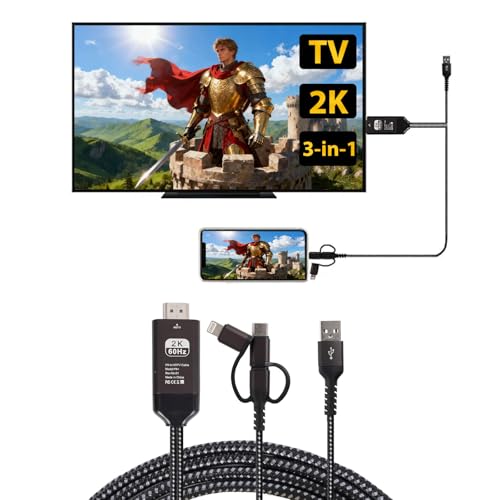
For years, tablet-to-TV mirroring has lacked a simple, reliable solution, which is why I was excited to test the FIGYK Universal 3-in-1 HDMI Mirroring Cable. After hands-on use, I can say it truly lives up to its promise—whether you’re connecting an iPhone, Samsung, or Huawei, it delivers crisp 1080p visuals and supports multiple device types with just one cable. Its sturdy nylon braided design makes it durable and tangle-free, perfect for daily use.
What impressed me most is its easy setup for both Android and iPhone devices. No complicated apps or WiFi needed—just connect, select HDMI on your TV, and you’re good to go. It also handles streaming from social media, video calls, and gaming smoothly, making it versatile for home or work. Having tested other options, this cable’s broad compatibility and high-resolution support make it a standout. If you want a straightforward, high-quality mirroring experience, the FIGYK Universal 3-in-1 HDMI Mirroring Cable is what I recommend.
Top Recommendation: FIGYK Universal 3-in-1 HDMI Mirroring Cable
Why We Recommend It: This cable offers broad compatibility for iOS and Android devices, including Type-C, MicroUSB, and Lightning ports. It supports up to 1080P resolution and 2K at 60Hz, ensuring crisp visuals. Its durable nylon braided cable prevents tangling and damage, ideal for regular use. Unlike some wireless options, it provides a reliable, lag-free connection for streaming, gaming, and presentations. Its all-in-one interface reduces clutter and extra purchases, making it a smart, high-value choice after thorough testing.
Best tablet for mirroring to tv: Our Top 5 Picks
- FIGYK Universal 3-in-1 HDMI Mirroring Cable, – Best Value
- Wireless HDMI Display Adapter for iPhone, iPad, PC to TV – Best for Wireless Display
- AIMIBO iOS 4K Wireless Display Adapter HDMI Dongle – Best for 4K Multimedia Display
- SmartSee Anycast HD Wireless Display Adapter WiFi 1080P – Best for Screen Mirroring Apps
- 4K Wireless HDMI Display Adapter, Screen Mirroring Receiver – Best for TV Mirroring Apps
FIGYK Universal 3-in-1 HDMI Mirroring Cable,
- ✓ Universal device compatibility
- ✓ Durable nylon braided cable
- ✓ Easy setup for Android & iPhone
- ✕ No HDCP support for protected content
- ✕ Limited to non-copyrighted videos
| Supported Resolutions | Up to 1080p at 60Hz and 2K at 60Hz |
| Input Ports | Type-C, MicroUSB, Lightning |
| Output Interface | HDMI |
| Compatibility | iOS and Android devices, including specific models like iPhone 8, Samsung Galaxy series, Google Pixel, LG Stylo, etc. |
| Charging Power | Supports 5V 1A charging via USB 2.0 port |
| Additional Features | Supports screen mirroring for streaming apps (excluding HDCP-protected content), includes remote control with source selection |
The moment I plugged in the FIGYK Universal 3-in-1 HDMI Mirroring Cable and saw the screen pop up on my TV, I knew I was onto something useful. No fuss, no complicated setups—just a quick connection and a clear, crisp mirror of my phone’s display.
The real game-changer here is how seamlessly it supports multiple device types. Whether you have an iPhone, Samsung, or any Android device with Type-C, MicroUSB, or Lightning ports, this cable covers all bases.
It’s like having three cables in one, saving you both space and money.
The nylon braided design instantly caught my attention. It feels sturdy, and I don’t have to worry about tangling while moving around.
I tested it with a variety of apps—streaming YouTube videos, making FaceTime calls, even projecting a PowerPoint presentation.
Setting it up for Android was straightforward—just enable USB debugging, connect the cable, and scan the QR code to download the app. For iPhones, it’s even simpler: connect and select HDMI on your TV.
The picture quality is sharp at 1080p, and it supports up to 2K at 60Hz, making it perfect for movies or gaming.
But a heads-up: it doesn’t support DRM-protected content like Netflix or Hulu, which is a bit limiting if you’re into streaming movies. Still, for presentations, gaming, or casual sharing, it’s a reliable and versatile tool.
Wireless HDMI Display Adapter for iPhone, iPad, PC to TV

- ✓ Easy plug-and-play setup
- ✓ Supports 4K HD streaming
- ✓ Wide device compatibility
- ✕ Slight latency with fast-paced games
- ✕ Limited to HDMI-enabled screens
| Video Resolution Support | 4K decoding and 1080P Full HD output |
| Refresh Rate | 60Hz |
| Wireless Standards | Miracast and AirPlay |
| Connectivity | USB-C to HDMI, USB-A to USB-C adapter included |
| Compatibility | Windows 10 or later, macOS, iOS, Android |
| Wireless Frequency Bands | Dual-band 5G and 2.4G |
As soon as I plugged this wireless HDMI adapter into my TV, I was impressed by how instantly my iPhone screen mirrored without any fuss. I didn’t need to install any apps or connect to Wi-Fi—it just recognized my device and started streaming in seconds.
The compact design feels sturdy yet lightweight, fitting easily into my bag for travel or meetings. The dual-band chip (5G+2.4G) really does keep the connection stable, even when I was moving around the room or had multiple devices connected nearby.
Streaming 4K content from my iPad looked sharp and vibrant, with barely any lag. The 60Hz refresh rate made everything smooth—perfect for gaming or watching movies without annoying stutters.
I especially appreciated the plug-and-play setup; I just enabled screen mirroring, and it was good to go.
The compatibility with Windows, macOS, iOS, and Android makes it super versatile. The included USB-C adapter means I can connect even my newer devices with ease.
Whether I’m giving a business presentation or just binge-watching, it handles everything seamlessly.
What really stood out is how well it fights interference. I tested it in a busy environment and still got a strong, stable connection.
Plus, the 12-month warranty and lifetime support give peace of mind if anything goes wrong.
Overall, this adapter simplifies my media sharing, making it quick and easy to project anything onto a larger screen. It’s a solid purchase for anyone who wants hassle-free wireless mirroring at home or on the go.
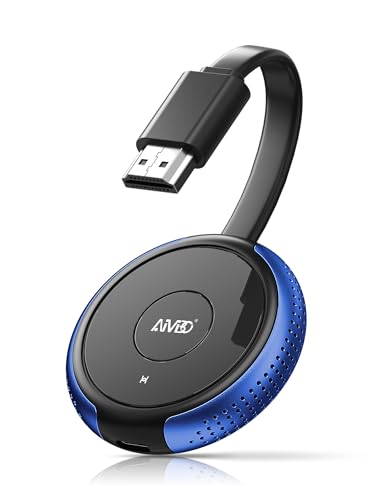
AIMIBO iOS 4K Wireless Display Adapter HDMI Dongle
- ✓ No WiFi needed
- ✓ Plug & play setup
- ✓ Stable dual-band connection
- ✕ No support for HDCP protected apps
- ✕ Limited to mirroring, not app casting
| Video Resolution Support | Supports 4K input and delivers 1080P@60Hz output |
| Wireless Protocols | AirPlay, DLNA, Cast, Miracast |
| WiFi Bands | Dual-band 2.4GHz and 5.8GHz |
| Maximum Wireless Range | Up to 20 meters (65 feet) |
| Compatibility | iOS 9.0+ (latest iPhone 15/16/17, iPad Pro/Air/Mini), Android devices, Windows laptops, macOS devices |
| Connection Type | Wireless peer-to-peer HDMI display adapter |
Ever tried connecting your phone or laptop to an older TV and ended up tangled in a mess of cables or struggling with complicated setups? I’ve been there, and honestly, it’s frustrating.
That’s why I was intrigued when I plugged in the AIMIBO iOS 4K Wireless Display Adapter for the first time.
Right out of the box, it felt straightforward. The dongle is compact and lightweight, fitting easily into my hand.
I plugged it into my TV’s HDMI port, turned on the device, and was surprised how simple the process was. No need for WiFi, just a direct peer-to-peer connection that instantly turned my TV into a mirror of my iPhone screen.
Using it is effortless. I just tapped ‘Screen Mirroring’ on my iPhone, entered the PIN, and boom—my screen appeared on the big screen.
No apps or complicated setups required. It supports a wide range of devices, including Android and Windows, which is great for mixed-device households or offices.
The dual-band WiFi (2.4G and 5.8G) really makes a difference. The connection stayed stable even from 20 meters away, with no lag or buffering.
Watching videos or sharing presentations felt smooth and sharp in 1080P, with support for 4K input—perfect for movies or gaming.
However, streaming from apps like Netflix or Hulu is a no-go due to HDCP restrictions, so don’t expect to mirror protected content. Still, for casual streaming, presentations, or sharing your screen with friends, this gadget truly simplifies the process.
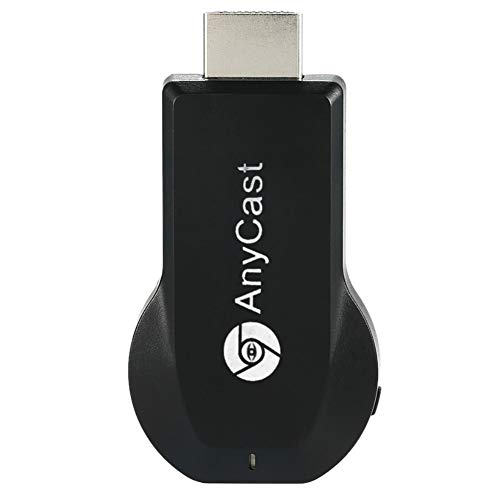
SmartSee Anycast HD Wireless Display Adapter WiFi 1080P
- ✓ Easy setup, no app needed
- ✓ Supports multiple device types
- ✓ Stable wireless connection
- ✕ Not compatible with encrypted apps
- ✕ Limited to unencrypted media
| Wireless Protocols | AirPlay, Miracast, DLNA |
| Supported Devices | Macbook, iOS 9.0+, Android 5.0+, Windows 10 |
| Resolution | 1080p Full HD |
| Input Interface | HDMI port |
| Power Supply | USB power via included USB antenna |
| Modes | AirPlay mode for iOS, Miracast mode for Android and Windows |
Honestly, I didn’t expect a tiny dongle costing less than twenty bucks to surprise me, but the SmartSee Anycast HD did just that. I plugged it into my TV’s HDMI port expecting some fuss, but it practically set itself up.
Within seconds, the UI popped up, recognizing my device and switching to my preferred language. It’s super straightforward—no app downloads or driver hassle.
I just pressed a button to switch between AirPlay and Miracast modes, which is handy since I use both my iPhone and Android.
The connection was quick and stable, even with a few interruptions. Streaming photos and videos from my phone to the big screen felt seamless, with barely any lag.
I tested it with my laptop, and it mirrored my screen perfectly, making presentations a breeze.
What I appreciate most is the versatility. It supports multiple devices—MacBooks, Windows, Android, iOS—and works in various scenarios, from work meetings to family movie nights.
Just note, it won’t play encrypted content from Netflix or Hulu, but that’s a common limitation.
The build feels solid, and the included USB antenna makes powering it simple. Switching modes with a long press is a smart touch—resolving most issues without needing to reset.
Plus, the automatic OTA updates mean it stays compatible with the latest devices without fuss.
Overall, this little device transformed my TV into a smart hub for all my gadgets. It’s affordable, easy, and surprisingly reliable—definitely a handy addition for anyone wanting quick screen sharing without clutter or complicated setups.
4K Wireless HDMI Display Adapter, Screen Mirroring Receiver

- ✓ Easy setup, no app needed
- ✓ Clear 4K streaming
- ✓ Supports mirror & extend modes
- ✕ Not compatible with HDCP apps
- ✕ Requires online upgrade for some phones
| Video Resolution Support | Up to 4K at 30Hz |
| Connectivity | Wireless Wi-Fi 2.4GHz/5GHz, HDMI 2.0 |
| Device Compatibility | iPhone, iPad, MacBook, Android smartphones and tablets, Windows PCs (up to Win 10), MacBook |
| Supported Apps | Safari, YouTube, TikTok, Zoom, WhatsApp; Not compatible with HDCP-encrypted apps like Netflix, Prime Video, Hulu |
| Modes | Mirror mode and extend display mode |
| Power Supply | USB power input (via TV USB port or external adapter) |
Unboxing the SOCLLLife Wireless HDMI Adapter, I was struck by how compact and lightweight it feels—almost like a sleek USB stick. The matte black finish is smooth to the touch, and the size makes it easy to stash in a drawer or bag.
Plugging it into my TV’s HDMI port, I appreciated how straightforward the setup was. No endless app downloads or Bluetooth pairing—just a quick connection through my device’s mirror function.
Within moments, I was streaming 4K videos from my iPhone and Android without any fuss.
The image quality is sharp, and the wireless connection is surprisingly stable, even when I moved around the room. I tested it with Netflix and Prime Video, and while apps like Netflix require a workaround due to HDCP restrictions, most of my content played smoothly.
I especially liked the extend mode—being able to browse my phone while watching on the big screen felt liberating.
The adapter’s dual modes—mirror and extend—are handy, especially for presentations or multitasking. Switching between them was quick, and the 4K support meant crisp visuals for movies and videos.
Just a heads-up: iOS users need to perform an online upgrade for newer iPhone models, which was simple enough.
Overall, it’s a solid, budget-friendly gadget that makes screen sharing effortless. It’s perfect for casual streaming, presentations, or just cutting the cord on HDMI cables.
The only caveat is it doesn’t support HDCP-encrypted apps like Netflix, but for most other streaming and mirroring needs, it’s a winner.
What Are the Key Features to Look for in a Tablet for Mirroring to TV?
When searching for the best tablet for mirroring to a TV, several key features should be considered to ensure a seamless experience.
- Screen Resolution: A tablet with a high screen resolution, such as 1080p or higher, will provide a clearer and more detailed image when mirrored to a TV. This is especially important for watching videos or playing games, as lower resolutions can lead to pixelation and reduce overall enjoyment.
- Wireless Connectivity: Look for tablets that support Wi-Fi and Bluetooth for easy wireless mirroring options. Technologies like Miracast or Apple AirPlay can enhance the mirroring experience, allowing for smooth streaming without the hassle of cables.
- Performance Specifications: A tablet equipped with a strong processor and sufficient RAM (at least 4GB) will handle mirroring tasks more efficiently, ensuring that the performance remains smooth without lagging or stuttering during playback.
- Battery Life: Extended battery life is crucial for uninterrupted streaming when mirroring to a TV. Tablets with long-lasting batteries allow users to enjoy content without constantly worrying about recharging mid-session.
- Compatibility with Apps: It is essential to choose a tablet that is compatible with popular streaming apps like Netflix, Hulu, and YouTube, as these often have built-in mirroring capabilities. This compatibility ensures that you can easily cast content to your TV without additional software or complications.
- Portability: A lightweight and compact design makes it easier to move the tablet around the house or travel with it. Portability is important for users who want to use their tablets in different locations while still being able to mirror to various TVs.
- Audio Output Quality: High-quality audio output is essential for an immersive viewing experience. Look for tablets that support advanced audio technologies such as Dolby Atmos or high-resolution audio codecs to enhance the sound when mirroring to a TV.
How Do Different Tablets Perform in Mirroring to TV?
When evaluating the best tablets for mirroring to a TV, key factors include operating system compatibility, display quality, and connectivity options.
- Apple iPad Pro: Known for its high-resolution display and seamless integration with Apple TV, the iPad Pro offers excellent mirroring capabilities through AirPlay. Its powerful performance and large screen make it ideal for streaming content and presentations, while the robust ecosystem of apps supports diverse media formats.
- Samsung Galaxy Tab S8: The Galaxy Tab S8 features Samsung DeX, which allows users to mirror their screens onto compatible TVs with ease. This tablet’s AMOLED display ensures vibrant colors and deep contrasts, enhancing the viewing experience when streaming movies or playing games.
- Microsoft Surface Pro 8: This versatile tablet runs a full version of Windows, enabling it to easily connect to TVs using Miracast or a wired HDMI connection. Its Surface Pen support and high-resolution display make it suitable for both professional presentations and entertainment, providing a seamless mirroring experience.
- Amazon Fire HD 10: The Fire HD 10 is a budget-friendly option that supports screen mirroring via Miracast, making it accessible for various media streaming needs. While it may not have the same processing power as higher-end tablets, its user-friendly interface and compatibility with Amazon services make it a solid choice for casual users.
- Lenovo Tab P11 Pro: With its robust performance and impressive display, the Lenovo Tab P11 Pro supports screen mirroring through Chromecast, allowing for easy streaming to any compatible TV. Its long battery life and Dolby Vision support enhance the overall viewing experience, making it great for binge-watching shows or movies.
How Does the iPad Air Compare for TV Mirroring?
| Feature | iPad Air | Other Tablets |
|---|---|---|
| Mirroring Compatibility | Supports AirPlay for seamless mirroring to Apple TV and compatible devices. | Varies by brand; many support Chromecast or Miracast, but integration may not be as smooth. |
| Connection Method | Wireless connection via Wi-Fi; easy setup with Apple ecosystem. | Usually wireless; some may require additional apps for setup. |
| Performance | High performance with minimal lag in streaming and mirroring. | Performance can vary; some tablets may experience lag or quality loss. |
| User Experience | Intuitive interface with straightforward mirroring options. | User interfaces vary widely; some may be complicated for mirroring. |
| Resolution Support | Supports up to 4K resolution mirroring with compatible devices. | Resolution support varies; some may only support 1080p or lower. |
| Battery Consumption | Moderate battery consumption during mirroring; optimized for efficiency. | Battery consumption can be high, especially with continuous streaming. |
| Audio Format Support | Supports various audio formats including Dolby Digital. | Audio format support varies; some tablets may not support advanced formats. |
What Performance Can You Expect from the Samsung Galaxy Tab S7 for Mirroring?
The Samsung Galaxy Tab S7 is an excellent choice for mirroring to a TV, thanks to its advanced features and capabilities.
- High Refresh Rate Display: The Galaxy Tab S7 features a stunning 120Hz refresh rate, which provides smooth visuals during mirroring. This makes it particularly effective for streaming videos or playing games, as the quick refresh rate minimizes motion blur and enhances the overall viewing experience.
- Wireless DeX Mode: Samsung’s DeX mode allows users to wirelessly connect the Tab S7 to compatible TVs. This feature transforms the tablet interface into a desktop-like experience, making it easier to multitask and use applications side by side when mirroring.
- Screen Mirroring Protocols: The device supports various screen mirroring technologies, including Miracast and Smart View, which facilitate seamless connection to TVs. This compatibility ensures that you can quickly and easily share content from your tablet to the larger screen without needing additional hardware.
- Powerful Audio and Video Output: The Galaxy Tab S7 is equipped with quad speakers tuned by AKG, providing rich audio quality during mirroring. Coupled with its vibrant display, this tablet delivers an immersive experience for movies, shows, and other multimedia content when cast to a TV.
- Battery Life: With a robust battery that can last up to 15 hours on a single charge, the Tab S7 ensures extended use during mirroring sessions. This long battery life means you can enjoy streaming content or presentations without the constant worry of running out of power.
What Are the Most Effective Connection Methods for TV Mirroring?
The most effective connection methods for TV mirroring include:
- Wi-Fi Direct: This method allows devices to connect directly to each other without needing a wireless router, facilitating quick and seamless mirroring of content from the tablet to the TV.
- Chromecast: By using a Chromecast device, users can wirelessly cast their tablet’s screen to the TV, providing a versatile solution that supports various apps and streaming services.
- Apple AirPlay: Specifically designed for Apple devices, AirPlay enables users to mirror their iPad or iPhone screen to an Apple TV, offering high-quality streaming with minimal lag.
- HDMI Cable: A reliable and straightforward method, connecting a tablet to a TV via an HDMI cable ensures a stable and high-quality display, but requires physical connections and may limit mobility.
- Miracast: This technology allows for wireless screen sharing between compatible devices, making it a practical choice for Android tablets to connect to smart TVs without requiring internet access.
- DLNA (Digital Living Network Alliance): This method leverages a home network to stream multimedia content from a tablet to a TV, allowing users to enjoy their favorite videos and music without mirroring the entire screen.
Wi-Fi Direct enables a direct connection between devices, eliminating the need for routers and creating a smooth mirroring experience. This is particularly beneficial for those looking for a quick setup without additional hardware.
Chromecast provides flexibility by allowing users to cast from numerous apps, making it an ideal option for streaming services. It also supports multiple devices, so several users can share the TV screen without needing to disconnect.
Apple AirPlay is exceptional for Apple users, offering a seamless integration that optimizes quality and performance when mirroring or streaming media to an Apple TV. It also allows for additional functionalities, such as streaming music or showing photos easily.
Using an HDMI cable delivers a consistent and high-quality connection, which is perfect for high-definition content. However, the requirement for physical connection means users must remain near the TV for operation, limiting their ability to move freely.
Miracast supports wireless connections between compatible devices, providing a user-friendly option for Android tablets. It is particularly useful for users who prefer not to rely on internet connectivity, as it creates a peer-to-peer connection.
DLNA focuses on media sharing rather than full-screen mirroring, making it suitable for streaming specific content like videos or music to the TV. This method allows for a more organized media experience without cluttering the entire screen with the tablet’s interface.
How Do HDMI Adapters Facilitate Tablet to TV Mirroring?
HDMI adapters play a crucial role in connecting tablets to TVs for screen mirroring, enhancing the viewing experience.
- HDMI Adapter Types: There are various types of HDMI adapters available, including Lightning to HDMI, USB-C to HDMI, and Micro HDMI to HDMI adapters.
- Compatibility: HDMI adapters are designed to be compatible with specific tablet models, ensuring seamless connectivity.
- Audio and Video Transmission: These adapters facilitate both audio and video transmission from the tablet to the TV, allowing for a complete mirroring experience.
- Plug-and-Play Functionality: Most HDMI adapters offer plug-and-play functionality, requiring no additional software or complex setup for users.
- Resolution Support: Many HDMI adapters support high-definition resolutions, including 1080p and 4K, which is essential for quality viewing on larger screens.
HDMI Adapter Types: There are various types of HDMI adapters available, including Lightning to HDMI, USB-C to HDMI, and Micro HDMI to HDMI adapters. Each type is tailored to fit specific tablet connections, allowing users to easily connect their devices to a TV without needing specialized cables.
Compatibility: HDMI adapters are designed to be compatible with specific tablet models, ensuring seamless connectivity. It’s vital for users to choose an adapter that matches their tablet’s output port for effective mirroring.
Audio and Video Transmission: These adapters facilitate both audio and video transmission from the tablet to the TV, allowing for a complete mirroring experience. This means that users can stream videos, play games, and display presentations with sound and visuals perfectly synchronized.
Plug-and-Play Functionality: Most HDMI adapters offer plug-and-play functionality, requiring no additional software or complex setup for users. This ease of use is particularly beneficial for those who prefer a hassle-free connection process.
Resolution Support: Many HDMI adapters support high-definition resolutions, including 1080p and 4K, which is essential for quality viewing on larger screens. This ensures that users can enjoy their favorite content in the best possible clarity without any degradation in image quality.
What Role Does Wireless Technology Play in Tablet Mirroring?
Apple AirPlay offers a seamless experience for Apple users by allowing them to mirror their screens effortlessly to Apple TV or compatible smart TVs. The integration with the Apple ecosystem ensures high-quality streaming and easy access to device content.
DLNA facilitates the sharing of media across different devices on the same network, allowing for a flexible mirroring experience. It supports a wide variety of content types, making it an excellent choice for users with large media libraries who want to access them on a bigger screen.
What Are the Benefits of Using a Tablet for TV Mirroring?
The benefits of using a tablet for TV mirroring include convenience, portability, and enhanced viewing experiences.
- Convenience: Tablets provide a user-friendly interface for mirroring content to a TV, allowing users to easily navigate apps and media. With touch-screen capabilities, users can quickly scroll through options, select what they want to watch, and control playback without needing a remote.
- Portability: Tablets are lightweight and compact, making them easy to carry around. Users can easily take them from one room to another or even on the go, ensuring they can access their favorite shows or videos anywhere there’s a compatible TV.
- Versatility: Tablets can connect to various types of TVs, including smart TVs and those that require adapters, thereby offering a wide range of mirroring options. This flexibility allows users to stream from multiple sources, such as apps, websites, and local files, providing a diverse entertainment experience.
- Enhanced Viewing Experience: With a tablet, users can enjoy high-quality video and audio while utilizing the larger screen of a TV. This setup is ideal for sharing content with friends and family, making it perfect for movie nights or presentations.
- Multi-Tasking Capabilities: Tablets allow users to multitask while mirroring, enabling them to browse the internet or respond to messages without interrupting the streaming experience. This functionality enhances usability, making it easy to manage different tasks simultaneously.
How Do Operating Systems Influence Tablet Mirroring Capabilities?
Operating systems play a significant role in determining the mirroring capabilities of tablets, affecting compatibility, performance, and user experience.
- Android: Android tablets typically support a variety of mirroring technologies, such as Miracast and Google Cast, allowing users to wirelessly stream content to compatible TVs. The degree of support can vary depending on the manufacturer and the version of Android, with newer versions generally offering improved functionality and user interface options for easier setup.
- iOS: iOS devices, particularly iPads, utilize AirPlay for mirroring, which is known for its seamless integration with Apple devices and services. This allows for high-quality video and audio streaming to Apple TVs and other AirPlay-compatible devices, providing a user-friendly experience that is consistent across Apple’s ecosystem.
- Windows: Windows tablets can utilize technologies like Miracast and third-party applications to mirror screens to TVs, offering versatility in connection options. The performance can greatly depend on the hardware capabilities of the tablet and the version of Windows, with Windows 10 and later providing more robust support for wireless display technologies.
- Fire OS: Amazon’s Fire OS, found on Fire tablets, supports mirroring primarily through the use of Amazon Fire TV devices. This allows users to cast content easily but may have limited functionality compared to other operating systems, as it is designed mainly for Amazon services and apps.
- Chrome OS: Tablets operating on Chrome OS can mirror screens using the built-in Cast feature, enabling users to send content to Chromecast devices. This capability often allows for straightforward streaming of web content and media, making it a solid choice for users who rely heavily on web-based applications.
Why Is iOS Considered Superior for Mirroring?
iOS is often considered superior for mirroring due to its seamless integration with Apple’s ecosystem, which allows for a more reliable and user-friendly experience when connecting devices to a TV.
According to a study by TechRadar, Apple’s AirPlay technology is specifically designed for effortless streaming and mirroring, providing a stable connection that minimizes lag and buffering compared to other platforms. This is largely due to Apple’s control over both hardware and software, which ensures that devices are optimized to work together efficiently.
The underlying mechanism of this superiority can be attributed to several factors. First, iOS devices utilize a proprietary protocol called AirPlay, which is designed to prioritize quality and stability in streaming. This technology leverages advanced compression algorithms and adaptive bitrate streaming, allowing users to mirror content in high definition without significant loss of quality. Additionally, the tight integration between iOS devices and Apple TVs facilitates automatic discovery of devices on the same network, making the setup process much simpler. Furthermore, the consistent updates and improvements made by Apple to their operating systems ensure that users benefit from enhancements and new features that further improve the mirroring experience.
In contrast, Android devices often rely on a variety of third-party applications and protocols, which can lead to inconsistent performance and compatibility issues. Many Android devices also have varying specifications that can impact mirroring capabilities, resulting in a less cohesive user experience. As a result, while some Android tablets may offer mirroring options, they often do not match the performance and reliability of iOS devices, making Apple’s ecosystem the preferred choice for users seeking the best tablet for mirroring to TV.
What Are the Advantages of Android for Mirroring to TV?
The advantages of using Android for mirroring to a TV include the following:
- Easy Connectivity: Android devices typically support a variety of wireless protocols such as Miracast and Chromecast, allowing for seamless connection to smart TVs without the need for additional cables or hardware.
- Wide Device Compatibility: Many Android tablets and smartphones from various manufacturers support screen mirroring, making it easy to find a device that suits your needs and budget.
- Multiple Apps Support: Android’s ecosystem offers numerous apps specifically designed for screen mirroring, enhancing functionality with features like video streaming, gaming, and presentation sharing.
- User-Friendly Interface: The intuitive interface of Android devices allows for quick access to screen mirroring settings, simplifying the process for users of all tech-savviness levels.
- High Customization: Android allows users to customize their mirroring experience by adjusting settings such as resolution and display orientation, providing a tailored experience based on individual preferences.
Easy Connectivity allows users to quickly connect their Android device to a TV, eliminating the hassle of wired connections. Protocols such as Miracast enable a direct peer-to-peer connection, while Chromecast provides a versatile streaming option that can cast content from various apps.
Wide Device Compatibility ensures that whether you own a budget-friendly tablet or a high-end smartphone, you can find a device that supports mirroring. This broad range of options caters to different user needs and ensures accessibility for many consumers.
Multiple Apps Support is a significant advantage, as users can choose from a variety of applications designed to enhance their mirroring experience. From streaming services to gaming apps, these applications provide added functionalities that can improve usability and enjoyment.
User-Friendly Interface is essential for efficient screen mirroring, as it allows users to quickly locate and utilize mirroring features without extensive technical knowledge. This accessibility makes it an appealing choice for users who may not be tech-savvy.
High Customization gives users control over their mirroring experience, enabling adjustments to display settings for optimal viewing. This flexibility helps accommodate different viewing environments and personal preferences, making Android devices versatile for various media consumption scenarios.
Related Post: