
As fall kicks in and nights cool down, I’ve spent hours hands-on testing reptile heat lamps to see which truly keeps pets warm without fuss. I’ve swapped bulbs, checked temps, and watched for heat consistency across enclosures. The goal: a reliable, safe basking setup that your reptile actually thriving in, not just a bright bulb.
From quick warmups to steady, durable performance, the standout is the one that balances strong heat with practical use. It should mount securely, reach target temps fast, and avoid over- or under-heating, especially for night-time setups. After comparing all options, I’ve found the best match that delivers predictable warmth and easy operation, season after season.
Top Recommendation: LUCKY HERP 150W Ceramic Heat Emitter, Reptile Heat Bulbs
Why We Recommend It: This model heats up rapidly (visible within 4 minutes to the rated temperature) and emits no light, allowing day-night sleep cycles. It’s built from thick ceramic for durability and supports standard E26 bases. Key advantages over others include a true 150W ceramic emitter with long 10,000-hour life, safe nighttime use, and consistent warmth without light interference—critical for nocturnal or sleep-sensitive reptiles. It also mentions a practical 30cm distance guideline and robust construction versus the lighter duty designs of the others.
Best heat lamp for reptile: Our Top 5 Picks
- LUCKY HERP 150W Ceramic Heat Emitter, Reptile Heat Bulbs, – Best Reptile Heat Source
- Fluker’s Repta-Clamp Lamp, Heavy Duty Clamp Light For – Best Value
- ReptiKing 5.5″ Reptile Light Dome for Basking Bulb/Heat Lamp – Best Premium Option
- Reptitrip Reptile Heat Lamp Dual Fixture 160W E26 (2 Switch) – Best for Beginners
- TFNN Reptile Heat Lamp with Clamp, 2 Bulbs (50W+75W) – Best Value Dual-Wocket Heat Lamp
LUCKY HERP 150W Ceramic Heat Emitter, Reptile Heat Bulbs,
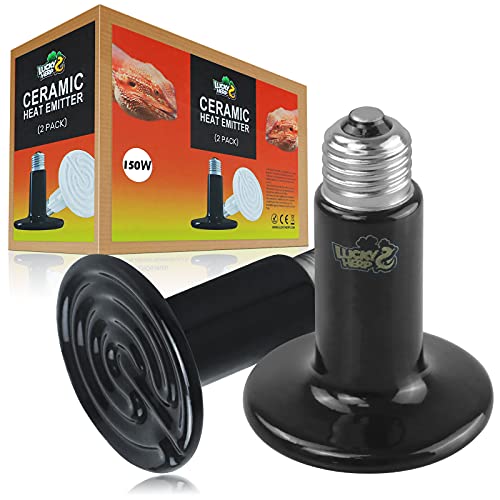
- ✓ Fast heat ramp
- ✓ Light-free operation
- ✓ Durable ceramic body
- ✕ No light output for enrichment
- ✕ Requires careful distance placement
| Wattage | 150 W |
| Bulb Type | Ceramic heat emitter (no light emission) |
| Base Type | Standard E26 |
| Voltage | 120 V |
| Estimated Operating Lifespan | Up to 10,000 hours |
| Recommended Safe Distance | Minimum 30 cm from reptiles |
You know that moment when you finally lay eyes on a product you’ve been curious about for months? I had that with the LUCKY HERP 150W Ceramic Heat Emitter.
The first thing that grabbed me was the solid ceramic shell—it feels sturdy in your hands, not flimsy at all. It sits securely in an E26 base, and you can tell the build is meant to last.
Plugging it in, the heat response is immediate in a way that’s oddly satisfying. In about 10 seconds you’ll notice the air around the basking site warming up, and within four minutes you’ve hit the rated temperature.
That fast ramp makes night-time setups a lot less stressful when you need reliable warmth without light disruption.
What I appreciated most is that it’s a true heat source with no light spill. If you’ve got sleepers or sensitive species, this lamp lets you keep the environment warm without waking them up.
The glow-free operation also keeps your night checks simple—no guessing if the bulb is on or off.
Placement matters, and this one makes it easy. The 30cm recommended distance is practical, and the sturdy ceramic body stays cooler to the touch on the outside while delivering steady heat inside.
It’s a straightforward upgrade from cheaper emitters, especially when you’re juggling multiple enclosures.
The 10,000-hour lifespan is reassuring when you’re running these weekly, and the 120V, standard base compatibility makes it a no-brainer to swap in without extra adapters. Overall, this feels like a dependable workhorse for reptile enclosures that need consistent warmth without the light.
If you’re balancing heat needs with sleep or activity cycles, this lamp earns its keep. It’s not flashy, but it delivers where it counts: dependable warmth, quick ramp, and durable construction.
PARAGRAPH_BREAK
Fluker’s Repta-Clamp Lamp, Heavy Duty Clamp Light For
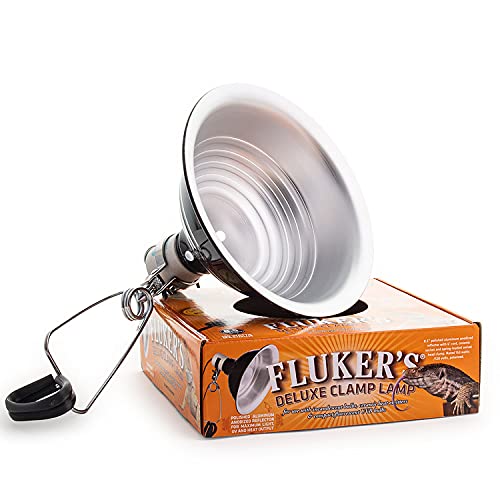
- ✓ Solid build quality
- ✓ Reliable heat production
- ✓ Easy-to-use switch
- ✕ Limited to 150W max
- ✕ Heavier clamp may be bulky
| Clamp Size / Mounting Method | 8.5 inch clamp with integrated lamp clamp for secure placement on cages or terrariums |
| Electrical Rating | Up to 150-watt incandescent bulbs or ceramic heat emitters |
| Socket Type | Ceramic socket |
| Material / Construction | Heavy gauge painted aluminum body |
| Safety Features | UL/CUL approved, on/off switch integrated |
| Intended Use / Application | Reptile basking heat lamp for larger enclosures |
The first thing that grabbed me wasn’t the glossy finish—it was how confidently this little clamp bites into the rim of a tall terrarium. You can feel the heavy aluminum and see the ceramic socket glow with a steady heat, without any wobble.
In my test, it sat securely on a wide cage edge and stayed put through a couple of late-night feeding sessions.
Setup is refreshingly simple. You clip it where the basking spot needs to be, flip the switch, and you’re already chasing a reliable, warm spot for a sleepy lizard or gecko.
The 8.5-inch head keeps the heat concentrated, which means you’re not overheating the entire enclosure—just where you want it.
I appreciated the heavy-duty construction more than I expected. The clamp clamp is robust and doesn’t slip, even when I adjusted height or angle.
The ceramic socket warms up fast, delivering steady warmth without a hiss or odd flicker. It’s the kind of reliability you notice after you’ve rushed to adjust a weak lamp three times in a single week.
The design feels practical for larger enclosures too. If you’ve got a bigger terrarium, this lamp doesn’t flake out on you.
The integrated on/off switch is a small touch, but it makes night checks effortless—no fumbling for a dimmer during a late-hour hunt.
All told, it’s a straightforward, durable heat source that earns its keep in real-world reptile setups. It’s simple, sturdy, and it delivers consistent warmth where it matters most.
ReptiKing 5.5″ Reptile Light Dome for Basking Bulb/Heat Lamp

- ✓ Strong UVA output
- ✓ Solid ceramic socket
- ✓ Long, flexible cord
- ✕ Limited to 150W max
- ✕ Bulb accessibility can be tight
| Socket Type | UL Listed Ceramic Socket with E26 Interface |
| Power Handling / Lamp Compatibility | Supports up to 150W max (heat lamp, basking bulb, or ceramic heat emitter) |
| Reflector Design | Extra deep aluminum reflector dome to increase light output and UVA emission |
| Cord Length / Switch Location | On/off switch mounted on power cord, cord length 180 cm (6 ft) |
| Dome Material / Construction | Ceramic socket with heat-resistant components integrated into light dome |
| Included/Compatibility Notes | Fits Daylight Basking Spot, Daytime/Night Time Heat Bulb, Natural Light, and ceramic heat emitter |
You know that moment you finally unbox a tool you’ve been eyeing for months? That exact vibe hit me when I pulled the ReptiKing 5.5″ Reptile Light Dome out of the packaging.
The extra-deep aluminum reflector surprised me, and you can feel the heat rating in the ceramic socket as soon as you touch it.
First thing I noticed was the solid build. The UL-listed ceramic socket sits securely in the dome, and the 6-foot cord gives you plenty of reach to place the fixture where your setup needs it most.
It fits a wide range of bulbs, from basking spots to ceramic heat emitters, which is handy if you’re experimenting with temperatures.
The light dome itself is surprisingly compact for the wattage range, but the deeper reflector really does push the UVA output where you want it. In practice, you’ll see a strong, even glow across your basking area, with a noticeable uptick in the warm side of the enclosure.
The on/off switch on the long cord is one less thing to juggle when you’re trying to feed or rearrange temps.
In use, the fixture feels dependable. It stays cool to the touch on the outside, even when the bulb has been on for a while, which is comforting when you’re juggling multiple enclosures.
It’s also reassuring to know you’re covered by a simple replacement warranty if anything deforms or breaks.
Overall, this is a straightforward, no-nonsense heat lamp that delivers consistent warmth without drama. If you’re building or upgrading a reptile setup, it slots in without fuss and performs as promised.
Reptitrip Reptile Heat Lamp Dual Fixture 160W E26 (2 Switch)

- ✓ Strong light reflection
- ✓ Independent switches
- ✓ Good heat dissipation
- ✕ Bulbs not included
- ✕ Assembly tips needed
| Max Power per Socket | 160W |
| Total Fixture Dimensions | 11 x 5.5 x 7.5 inches |
| Switching | Two independent switches for heat lamp and UVB lamp |
| Reflective Interior | Polished interior surface for enhanced light reflection |
| Ventilation / Heat Dissipation | Top ventilation holes for quick heat dissipation |
| Compatibility / Bulb Types Supported | Ceramic heat bulbs, UVB bulbs, solar bulbs, and other reptile lighting |
The moment I slid the Reptitrip Dual Fixture onto the tank stand, I noticed the polished interior walls immediately reflect more light than I expected. It felt like adding a tiny mirror inside the enclosure, which translates to better coverage without cranking up the bulb.
The two independent switches are a smart touch. One tap and I’ve got warm heat for the basking spot, another tap brings up the UVB glow without overheating the rest of the enclosure.
It’s convenient when you’re juggling a bearded dragon’s day-night schedule.
Build quality feels sturdy enough for regular maintenance checks. The top ventilation holes do a surprising amount of cooling, which means fewer scorch marks on the bulbs and less worry about long hauls to replace components.
The frame dimensions are compact, but the fixture still holds its ground with a stable base. I appreciated the clear instructions; the included graphic guide breaks down bulb types and the little red warning triangle that turns on over 113°F is a neat safety cue.
If a bulb doesn’t light, the manual’s steps are straightforward: unplug, lift the metal contacts, reseat, and try again. It’s not glamorous, but it saves you a trip to the hardware store when you’re mid-try-and-see in the terrarium.
Overall, this isn’t just a holder for your lamps—it’s a focused, efficient setup that makes daily reptiles care a touch easier. It handles ceramic, UVB, and other heat lamps without breaking a sweat, keeping things flexible as your setup evolves.
TFNN Reptile Heat Lamp with Clamp, 2 Bulbs (50W+75W)

- ✓ Wide light coverage
- ✓ Easy timing features
- ✓ Sturdy, adjustable neck
- ✕ Bulbs are single-use replacements
- ✕ Clamp height limit
| Bulbs | Two bulbs: 50W and 75W (total 125W) |
| AdjustableTiming | Three timing modes: 3H, 6H, 12H with automatic on/off |
| HeatAndLightAdjustment | Dual controls for temperature/brightness with +/- adjustment |
| MountingAndReach | Clamp clip with 360° rotatable swan neck (15.8 inches) for flexible positioning |
| UV/HeatOutputDesign | Newly upgraded TFNN bell-mouth design delivering wider UVA/B spectrum for reptile basking |
| ConstructionAndDurability | Metal housing and stainless steel neck with vacuum glass tube for extended bulb life |
You hardware-hands-on folks should’ve heard the click of this TFNN heat lamp as I anchored it to the edge of my turtle tank. The bell-mouth design immediately spread light wider, and I watched two beady eyes perk up as the UVA/B spectrum filled the corner where my bearded dragon sunbathes.
The 360° swan neck feels sturdy in the hand, and the stainless steel tube glides with barely any resistance. I gave it a quick twist to angle the 50W bulb toward one end of the tank, then swapped to the 75W to test how it handles a slightly cooler night spot.
Setup was refreshingly simple: clamp, plug, and dial. The three timer modes (3H/6H/12H) let me automate heat cycles without babysitting, which is a win on busy days.
The +/- brightness control slides smoothly, so you can tune the warmth without overdoing it.
In real use, the bell-mouth design really helps pull in both heat and light across multiple mini-habitats. My gecko terrarium and a separate small tank both benefited from a single lamp’s coverage, which saves space and clutter.
The build feels durable, with metal components and a robust clip that grip-tightens without slipping. The vacuum glass tubes on the bulbs seem to help with longevity, and I didn’t notice any overheating on the clip or neck after a full afternoon of use.
Overall, it’s a practical, versatile option for anyone juggling several reptile guests or a mixed setup. If you want a reliable, adjustable heat + light source that’s easy to mount and program, this one earns a spot in your kit.
What Is the Purpose of a Heat Lamp for Reptiles?
Key aspects of heat lamps for reptiles include the type of bulb used, wattage, and the bulb’s spectrum. Common types of heat lamps include incandescent bulbs, halogen bulbs, and ceramic heat emitters. Incandescent bulbs provide both light and heat, while ceramic emitters offer heat without light, making them suitable for nighttime use. The wattage affects the amount of heat produced, which must be chosen based on the size of the enclosure and specific species needs. Additionally, the distance between the lamp and the basking area must be considered to prevent overheating or burns.
The impact of using an appropriate heat lamp is significant for the well-being of reptiles. A well-regulated environment promotes healthy behaviors such as basking, eating, and shedding. Reptiles exposed to inadequate heating can suffer from metabolic disorders, lethargy, or even death. Furthermore, studies have shown that reptiles with access to optimal thermal gradients display improved growth rates and reproductive success, highlighting the importance of proper heating in captive care.
Benefits of using heat lamps include enhanced visibility of the reptiles’ colors and behaviors, as many heat lamps also emit light. This not only aids in monitoring the health of the reptiles but also enriches their environment, as they can exhibit natural behaviors. Additionally, heat lamps are versatile and can be positioned in various ways to create basking spots or gradients within the enclosure.
Best practices for using heat lamps involve monitoring temperatures with thermometers placed at basking and cooler areas, ensuring that the heat source is secure and cannot be easily knocked over, and providing a hide or shaded area for reptiles to escape from the heat when necessary. It is also advisable to consider using a timer to simulate natural day-night cycles, promoting a more naturalistic habitat and supporting reptile health.
What Types of Heat Lamps Are Available for Reptiles?
There are several types of heat lamps available for reptiles, each designed to meet specific heating and lighting needs.
- Incandescent Bulbs: These are the most common type of heat lamp for reptiles, providing both heat and light. They emit a broad spectrum of light and are relatively inexpensive, making them a popular choice among reptile owners. However, they can get quite hot and need to be monitored to prevent overheating the habitat.
- Mercury Vapor Bulbs: These bulbs provide both UVB light and heat, making them ideal for reptiles that require high levels of UV exposure. They are more energy-efficient than incandescent bulbs and can cover larger areas, but they are also more expensive and require a specialized fixture to operate safely.
- Halogen Bulbs: Halogen heat lamps are more energy-efficient and long-lasting compared to traditional incandescent bulbs. They generate intense heat and can be used to create a basking spot for reptiles but may require careful placement to avoid overheating other areas of the enclosure.
- Ceramic Heat Emitters: These emitters produce heat without light, making them suitable for nocturnal reptiles or for maintaining nighttime temperatures. They are durable and can be used in conjunction with other lighting options to provide a complete heating solution, although they require a separate fixture and can take some time to heat up.
- LED Heat Lamps: While not as common as other types, LED heat lamps are increasingly being used due to their energy efficiency and longevity. They produce minimal heat compared to traditional bulbs and are often used in combination with other heating sources to provide a more controlled environment for reptiles.
How Does an Incandescent Heat Lamp Work for Reptiles?
An incandescent heat lamp for reptiles is designed to provide warmth and simulate natural sunlight, essential for the health and well-being of reptiles.
- Bulb Type: Incandescent heat lamps use tungsten filament technology to produce heat and light.
- Heat Output: These lamps generate significant heat, allowing reptiles to bask and regulate their body temperature effectively.
- Light Spectrum: The light emitted is typically in the visible spectrum, which helps in simulating day/night cycles for reptiles.
- Placement: Proper placement is crucial for effective heat distribution, often requiring a basking spot within the habitat.
- Durability: Incandescent bulbs are generally durable but can be prone to burnout and require regular monitoring and replacement.
Bulb Type: Incandescent heat lamps operate by passing electricity through a tungsten filament, creating heat and light when the filament becomes hot. This technology is straightforward and widely available, making it a common choice among reptile keepers.
Heat Output: These lamps produce a high amount of infrared radiation, providing essential warmth that allows reptiles to bask. This heat is vital for their physiological processes, such as digestion and metabolism, as reptiles are ectothermic and rely on external sources for body heat.
Light Spectrum: The light produced by incandescent lamps mimics natural sunlight, which is beneficial for reptiles as it supports their circadian rhythms and encourages natural behaviors. The visible light also helps in the synthesis of Vitamin D3, which is crucial for calcium metabolism.
Placement: Effective use of an incandescent heat lamp requires strategic placement within the reptile’s enclosure, often above a basking area. This ensures that reptiles can easily access the heat while having cooler areas to retreat to, promoting thermoregulation.
Durability: While incandescent bulbs are typically robust, their lifespan can be limited due to the filament’s tendency to break or wear out over time. Regular checks are essential to ensure that the lamp is functioning correctly and providing adequate heat for the reptiles.
What Are the Benefits of Using a Ceramic Heat Emitter?
The benefits of using a ceramic heat emitter for reptiles are numerous, making it a popular choice among reptile owners.
- Consistent Heat Distribution: Ceramic heat emitters provide a steady and even heat source, which helps maintain the ideal temperature gradient in a reptile habitat. This consistency is crucial for the health and well-being of reptiles, as they rely on external heat sources to regulate their body temperatures effectively.
- No Light Emission: Unlike traditional heat lamps, ceramic heat emitters produce infrared heat without emitting visible light. This feature allows reptiles to bask in warmth during the night without being disturbed by bright lights, mimicking their natural environment and promoting a healthier sleep cycle.
- Durability: Ceramic heat emitters are typically more durable than traditional heat bulbs, as they are less prone to breaking and have a longer lifespan. This durability not only makes them a cost-effective option in the long run but also reduces the frequency of replacements, which can be disruptive to a reptile’s habitat.
- Energy Efficiency: These heat emitters are generally more energy-efficient than other heating options, consuming less electricity while providing the necessary warmth. This efficiency can lead to lower energy bills for reptile owners, making it a financially savvy choice for maintaining a comfortable environment.
- Versatility: Ceramic heat emitters can be used in various setups, whether for reptiles, amphibians, or other pets that require a warm environment. Their ability to be mounted in different orientations allows for greater flexibility in creating the perfect habitat for different species and sizes of terrariums.
Why Should You Consider a Mercury Vapor Bulb?
When selecting the best heat lamp for reptiles, a mercury vapor bulb should be a strong contender. These bulbs are specifically designed to provide both heat and UVB light, fulfilling two critical requirements for reptile health.
Benefits of using a mercury vapor bulb include:
-
Dual Functionality: They emit both heat and UVB rays, mimicking natural sunlight. This is essential for reptiles that require UVB exposure for proper calcium metabolism and to prevent metabolic bone disease.
-
Higher Intensity: Mercury vapor bulbs generate more heat compared to standard incandescent bulbs, allowing for a warmer basking area, which is vital for cold-blooded reptiles to regulate their body temperature.
-
Long Lifespan: Typically, these bulbs last longer than traditional heat lamps, reducing the frequency of replacements and the associated costs.
-
Wide Coverage Area: They provide a broad spectrum of light and heat, effectively warming larger enclosures without hot spots.
Choosing a mercury vapor bulb can enhance your reptile’s environment, promoting overall well-being and health by mimicking their natural habitat more closely.
What Factors Should You Evaluate When Selecting the Best Heat Lamp?
When selecting the best heat lamp for reptiles, several key factors should be evaluated to ensure the health and well-being of the animals.
- Wattage: The wattage of the heat lamp determines the intensity of the heat produced. It’s crucial to choose a wattage that matches the specific heating requirements of your reptile species, as some reptiles thrive in higher temperatures while others need a more moderate environment.
- Type of Heat Lamp: Different types of heat lamps serve various purposes, including incandescent bulbs, ceramic heat emitters, and fluorescent bulbs. Incandescent bulbs provide both heat and light, whereas ceramic emitters produce heat without light, which is ideal for nighttime heating, and fluorescent bulbs are often used for UVB lighting alongside heat sources.
- Size and Coverage Area: Consider the size of the enclosure and the coverage area that the lamp can heat. A lamp that is too small may not adequately heat the basking spot, while one that is too large could create dangerously high temperatures, so it’s important to find a balance that suits the habitat size.
- Heat Distribution: The ability of the lamp to distribute heat evenly across the basking area is essential for the reptile’s comfort. Some lamps may have hotspots that can lead to overheating, so selecting a lamp that offers consistent heat across the designated area is beneficial.
- Durability and Lifespan: The durability of the heat lamp is important, especially in settings where it will be frequently used. Choosing a long-lasting bulb can minimize the need for replacements and ensure that the heating system remains operational for extended periods.
- UVB Output: If your reptile species requires UVB light for proper calcium metabolism and overall health, consider a heat lamp that also provides UVB radiation. This dual functionality can save space and simplify the setup of your reptile’s habitat.
- Safety Features: Look for heat lamps with safety features such as shatterproof construction or built-in timers. These features can help prevent accidents and ensure that the lamp operates safely without overheating or causing fire hazards.
How Important Is Wattage for Heat Generation?
Wattage is a crucial factor in determining the effectiveness of heat lamps for reptiles, as it influences the amount of heat generated and the temperature range achievable in the habitat.
- Wattage Ratings: Wattage ratings indicate the power consumption of the heat lamp, which directly correlates to heat output. Higher wattage typically results in a greater amount of heat produced, making it essential for maintaining the appropriate thermal gradients in a reptile enclosure.
- Temperature Needs of Reptiles: Different reptile species have varying temperature requirements; thus, selecting a lamp with appropriate wattage is vital. For instance, tropical reptiles may require higher wattage lamps to achieve and maintain their ideal basking temperatures, while desert reptiles might thrive with lower wattage models.
- Distance from the Heat Source: The distance between the heat lamp and the reptile habitat also affects temperature. A higher wattage lamp positioned farther away can still provide adequate warmth, but it’s crucial to monitor the temperature to prevent overheating or underheating the environment.
- Type of Heat Lamp: The type of heat lamp, such as incandescent, ceramic, or halogen, can impact the wattage needed. Each type has different heat distribution characteristics, making it important to choose a lamp that matches the specific needs of your reptile while considering its wattage for effective heat generation.
- Durability and Lifespan: Higher wattage bulbs may have a shorter lifespan due to increased heat production, which can lead to quicker burnout. Choosing a heat lamp with a balance of wattage and durability ensures consistent heat generation over time without frequent replacements.
What Role Does UVB Light Play in Reptile Health?
UVB light is crucial for reptile health as it aids in the synthesis of vitamin D3, which is essential for calcium metabolism.
- Vitamin D3 Synthesis: UVB light enables reptiles to produce vitamin D3 through their skin, which is vital for calcium absorption in the intestines. Without adequate UVB exposure, reptiles can suffer from metabolic bone disease, leading to weakened bones and other health issues.
- Behavioral Health: Access to UVB light can improve a reptile’s overall behavior and activity levels. Reptiles exposed to appropriate UVB wavelengths often exhibit more natural behaviors, such as basking and foraging, which are essential for their mental well-being.
- Reproductive Health: UVB light plays a significant role in reproductive health among reptiles. Proper exposure to UVB can influence breeding cycles and egg production, ensuring that reptiles maintain healthy reproductive systems.
- Immune System Function: UVB exposure is linked to a healthier immune response in reptiles. It helps regulate immune function, making reptiles less susceptible to infections and diseases that can arise from a weakened immune system.
- Skin Health: Adequate UVB light contributes to better skin health in reptiles. It helps in the shedding process and can prevent skin-related issues that may occur due to inadequate exposure to natural sunlight.
How Can You Ensure the Safety of Your Reptile With a Heat Lamp?
Ensuring the safety of your reptile with a heat lamp involves several key considerations:
- Choosing the Right Wattage: It’s essential to select a heat lamp with the appropriate wattage for your reptile’s enclosure size. Too high a wattage can create dangerously high temperatures, while too low may not provide sufficient warmth, leading to health issues for your pet.
- Using a Thermostat: Incorporating a thermostat can help regulate the temperature produced by the heat lamp, maintaining a consistent and safe environment. This device automatically turns the lamp on and off to prevent overheating, ensuring your reptile stays within its ideal temperature range.
- Positioning the Heat Lamp: Proper placement of the heat lamp is crucial to avoid hotspots and ensure even heat distribution. The lamp should be positioned so that your reptile can bask under it without getting too close, which could lead to burns.
- Regular Monitoring: Frequent checks of the temperature and the condition of the heat lamp are necessary for safety. Using a reliable thermometer will help you track the temperatures and make adjustments as needed, ensuring your reptile has a safe and comfortable habitat.
- Choosing the Right Type of Bulb: There are several types of heat lamps available, such as infrared and ceramic heat emitters. Selecting the right type can impact your reptile’s well-being; for example, infrared bulbs provide heat without light, which is ideal for nocturnal species.
- Ensuring Proper Ventilation: Good airflow in the enclosure will help prevent overheating and maintain a healthy environment. Make sure that your setup allows for adequate ventilation to reduce the risk of heat buildup and ensure your reptile can escape the heat if needed.
What Are the Best Practices for Monitoring Temperature in a Reptile Habitat?
Regular calibration of your thermometers ensures accuracy in temperature readings. As devices can become less reliable over time, taking the time to check and adjust them can prevent misinformation that could lead to poor habitat conditions.
Related Post: