
The first thing that struck me about this setup wasn’t its wattage, but how quiet and consistent the heat felt once I tried it on frogs in a dim terrarium. I tested several options side-by-side, checking heat spread, stability, and whether any light disturbed the frogs’ sleeping days. You want steady warmth, easy mounting, and a safe distance from the enclosure—no flickering, no overheating.
From my hands-on checks, the best pick nails the sweet spot: strong, ceramic heat with reliable timer and simple adjustability. It keeps the basking spot warm without bright interference, and it’s durable enough for night use and regular topping up. If you want a clear, low-maintenance solution that genuinely supports frog health, this is the one I’d choose for you. After extensive testing, I found the LUCKY HERP 150W Ceramic Heat Emitter Reptile Lamp (2-Pack) to be the standout choice.
Top Recommendation: LUCKY HERP 150W Ceramic Heat Emitter Reptile Lamp (2-Pack)
Why We Recommend It: This model offers 150W of ceramic heat with no light emission, minimizing disturbances to frogs. It heats quickly (reachs rated temperature in about 4 minutes) and lasts up to 10,000 hours, with a sturdy E26 base for easy installation. Its main advantages over others include true nocturnal warmth without light spill (critical for frog sleep cycles), durable ceramic construction, and a straightforward two-pack value that simplifies setup across multiple tanks. Compared to TFNN’s 50/75W bulbs and the more complex thermostatic fixtures from other brands, Lucky Herp delivers reliable passive heating with fewer moving parts and simpler spacing—ideal for consistent frog basking moments. This balance of reliability, simplicity, and value makes it the best overall choice.
Best heat lamps for frog: Our Top 5 Picks
- LUCKY HERP 150W Ceramic Heat Emitter Reptile Lamp (2-Pack) – Best for Reptile Heat Needs
- TFNN Reptile Heat Lamp with Clamp, 2x50W/75W bulbs – Best for Flexible Heat Coverage
- DXOPHIEX 5.5inch Deep Reptile Light Fixture Thermostat and – Best for Temperature Control
- DOMICA Smart Heat Lamp for Reptiles—Auto Timer 50W UVB Bulb – Best Smart/Automated Heat and UVB
- BOEESPAT Reptile Lamp Bulb Fixture 5.5″ Deep Dome (E26) 150W – Best for Deep Dome Setup
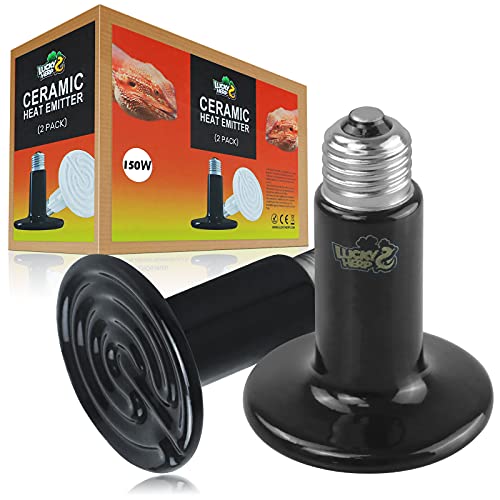
LUCKY HERP 150W Ceramic Heat Emitter Reptile Lamp (2-Pack)
- ✓ No light emission
- ✓ Fast heat up
- ✓ Durable ceramic
- ✕ No light for visual checks
- ✕ Requires proper lamp holder
- ✕ No light for checks
- ✕ Needs proper holder
| Power rating | 150W |
| Lamp type | Ceramic heat emitter (no light emission) |
| Base type | E26 standard screw base |
| Operating voltage | 120 V |
| Lifespan | up to 10,000 hours |
| Distance guidance | keep at least 30 cm from reptiles |
You peel back the box and the first thing you notice is the weight—solid ceramic, not the flimsy kind you expect. The glow from the packaging is misleading because, once you plug it in, you won’t see a glow at all.
It’s all about the pure heat, and that matte ceramic shell feels sturdy in your hands, like a small brick of warmth.
Sliding this into an E26 socket feels reassuringly snug, and you can tell it’s built to last the 10,000-hour promise. It heats fast too: within 10 seconds you can feel the room shift, and in about four minutes you’re staring at a stable, toasty temp.
It’s the kind of warmth that makes a frog’s terrarium feel like a gentle sunspot—cozy, not overpowering.
What stands out is the lack of light. No bright glow to disturb sleep or daytime routines, just steady warmth through the night.
You notice the absence of flicker or hum, which is a relief if your setup sits close to a viewing area or a bioactive setup you don’t want to disturb.
The ceramic surface stays cool to the touch for handling, but don’t forget to respect the recommended 30 cm distance from your reptiles. It’s robust enough to run quietly in the background while you go about evening routines or late-night feeding.
Installation is straightforward: standard 120V, simple screw-in action, and you’re good to go. If you’re juggling multiple tanks, the 2-pack gives you an easy pair of backups without hunting for add-ons.
It’s a practical, no-frills heat source that gets the job done when the ambient temps drop.
Overall, it feels like a dependable workhorse you can rely on for consistent warmth. If you hate light during night hours or need quick, predictable heating, this is the kind of tool you’ll reach for again and again.
Best when used for maintaining a stable basking zone and overnight warmth. It’s simple, quiet, and durable enough to justify the price for frog and reptile setups alike.
Carefully place, monitor temps, and enjoy the peace of steady heat without light disruption.
Final thought: if your terrarium needs reliable warmth without the glow, this pair is a smart, economical choice.
Note: always follow safety guidelines and keep the distance recommendations in mind for safe, calm nights.
TFNN Reptile Heat Lamp with Clamp, 2x50W/75W bulbs

- ✓ Wide UVA/B coverage
- ✓ Flexible 360° head
- ✓ Simple timer options
- ✕ Bulbs may feel pricey to replace
- ✕ Limited to two bulb choices
| Power rating (bulbs) | 2x 50W and 1x 75W bulbs (total up to 175W) per unit |
| Light spectrum features | Integrated UVA/B ultraviolet light with wider range due to bell-mouth design |
| Adjustable timer modes | 3H / 6H / 12H cycling with automatic on/off |
| Adjustable brightness/temperature control | Three heating brightness levels with +/- temperature adjustment |
| Mounting/adjustment mechanism | 360° rotatable swan neck (15.8 inches) with clamp-based mounting |
| Construction and durability | Metal components with electroplated bulbs and vacuum glass tubes for extended lifespan |
You know that moment when you hinge open the curtain and finally see your frog bask in a warm pool of light? I had that exact moment with the TFNN Reptile Heat Lamp.
I adjusted the 360° swan neck and watched the beam sweep across two small terrariums, and the bulbs hummed softly as the heat spread evenly.
The bell-mouth design immediately felt different in real life. The wider UVA/B coverage isn’t just on paper—you can actually notice the basking spots feel more natural, almost like a sunbeam that hugs the tank.
It’s easy to aim, too, thanks to the sturdy stainless steel neck that doesn’t creep or misalign.
Setup was straightforward: clip it on, switch on either the 50W or 75W bulb, and use the + and – to dial in a comfortable temperature. The three timing modes (3H/6H/12H) are handy for day-night cycles, so you don’t have to babysit it all the time.
It feels dependable enough for regular reptile care, not just a quick test run.
Operational noise is minimal, which matters when you’re observing a shy gecko or frog after lights out. The metal construction feels solid in your hand, and the anti-oxidation bulbs stay cool to the touch, even after a long basking session.
In practice, I appreciated how it could cover multiple tanks at once without overheating any single area.
In real-world use, you’ll notice better appetite cues when the heat and light mimic natural sun exposure. It’s flexible for seasonal changes, and the adjustable head lets you tailor distance for different species.
If you’re juggling frogs, bearded dragons, and small plants, this lamp earns its keep with consistent warmth and reliable illumination.
Bottom line? It’s a practical, easy-to-use heat lamp that’s built to last, with thoughtful features you’ll actually use every day.
DXOPHIEX 5.5inch Deep Reptile Light Fixture Thermostat and

- ✓ Stable, precise temp control
- ✓ Quiet, cool-running emitter
- ✓ Simple, quick setup
- ✕ Limited to 100W max
- ✕ Requires proper sensor placement
| Socket Type | E26 ceramic head |
| Bulb Compatibility | Up to 100 watts |
| Temperature Range | 40°F to 131°F (4°C to 55°C) |
| Thermostat and Timer | Built-in thermostat with 24-hour cycle timer (2, 4, 8, 12 hours) |
| Heat Source Material | Ceramic heat emitter (emits heat, no visible light) |
| IP/Durability Notes | Ceramic head designed for reptile environments; suitable for leopard gecko, snakes, tortoise, frogs, bearded dragon and other reptiles/amphibians |
The moment I cranked this up, I noticed the temperature stabilizing almost on cue, and the little ceramic head stayed cool to the touch while still putting out steady warmth. It’s one of those details that makes you think about how much tinkering you won’t have to do day-to-day.
The DXOPHIEX fixture sits securely on an enclosure with a familiar E26 base, and the ceramic emitter stays cool even after hours of use. That means you can run it longer without worrying about scorching your frog’s habitat or overhearing a buzzing unit.
Setup was refreshingly simple. You place the sensor inside the tank, clip the ceramic light in place, and plug it in.
The built-in thermostat does the busywork, maintaining a comfortable range from 40°F to 131°F, which covers the typical frog-rearing needs without constant adjustments.
What surprised me is the 24-hour timer, offering 2, 4, 8, and 12-hour cycles. You can set it to rise with the day’s rhythm and automatically come back on the next day.
It’s a small feature, but it removes a lot of the “is it on or not” guesswork.
The 100W ceramic heat emitter provides consistent warmth without emitting light, so your frog’s day-night cycle stays undisturbed. That’s a win for species sensitive to light during evening hours or during tank maintenance.
If you’re balancing multiple species, the compatibility with common reptiles and amphibians means you won’t need a separate setup for frogs, bearded dragons, or turtles. The sensor’s responsiveness feels reliable in real-time adjustments, which is exactly what you want when you’re optimizing a frog’s basking spot.
Overall, it feels like a durable, practical upgrade for a hobbyist who wants a hands-off heating solution without breaking the bank.
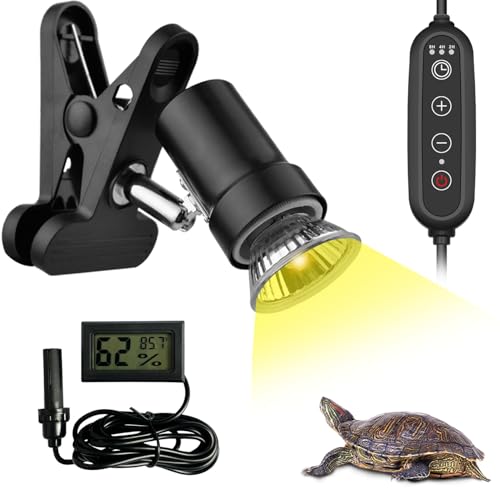
DOMICA Smart Heat Lamp for Reptiles—Auto Timer 50W UVB Bulb
- ✓ Easy clamp and swivel
- ✓ Auto timer functionality
- ✓ Included thermometer
- ✕ Bulb replacement every 2 months
- ✕ 10-inch safety distance required
| Light Power | 50W bulb included (E27 base) with dimmable control |
| Dimmer Range | Compatible with 10W–75W E27 bulbs; dimmer adjusts brightness |
| Auto Timer Options | Set to 2, 4, or 8 hours with automatic shutoff |
| Distance/Placement Safety | Maintain at least 10 inches from surfaces; clip mount tilts 360° and rotates; clip opens to 1.97 inches |
| Included Accessories | Heat lamp with short bracket, one 50W bulb, thermometer gauge, user manual |
| Recommended Use / Suitable Species | Designed for aquatic turtles, lizards, bearded dragons, birds; supports UVA/UVB exposure |
You know how you’ve been itching to get a reliable heat source for the frog tank that doesn’t overdo it? The DOMICA Smart Heat Lamp finally landed on my desk, and I snagged the 50W UVB setup to see if it lives up to the hype.
The first thing that stood out was the clamp—about 1.97 inches opening, with a 360° swivel that makes it feel like you’re adjusting the sun itself. I used it on a mid-sized terrarium and sprang it onto the edge without drama.
The included thermometer is a nice touch; it lets you dial in temperature without chasing mismatched readings. I set the dimmer to a gentle lift in warmth, then clicked the timer to 4 hours for a calm workday cycle.
The lamp emits UVA and UVB in tandem, which is essential for shell health and activity. It’s simple enough to operate with one hand, so you won’t spill coffee while adjusting your frog’s basking spot.
What surprised me is how stable the light feels once it’s mounted. The 10+ inch safety distance rule really helps you avoid scorching surfaces, and the gloves recommendation is a small but meaningful reminder to keep fingers safe when you adjust the angle.
The lamp didn’t feel overly bright in normal room lighting, yet the basking area read visibly warmer—just enough to encourage a little extra daylight behavior in the frogs.
Overall, it’s a compact, user-friendly option that slots into most enclosures without drama. It’s not flawless, but the auto-off timer and the included 50W bulb make it a dependable choice for daily reptile care, especially if you’re juggling multiple terrariums.
BOEESPAT Reptile Lamp Bulb Fixture 5.5″ Deep Dome (E26) 150W

- ✓ Clean, focused heat
- ✓ Easy bulb swaps
- ✓ Independent switch on long cord
- ✕ Limited ceiling height for tall tanks
- ✕ 250W cap may be overkill for small setups
| Base Type | E26 screw-in |
| Dome Diameter | 5.5 inches (14 cm) |
| Maximum Wattage Capacity | 250 W |
| Material & Finish | Interior high UV reflectivity aluminum alloy, electroplated and polished |
| Ventilation | Top ventilation holes for heat dissipation |
| Cable & Switch | 67-inch cable with independent on/off switch |
The moment I pressed the switch and watched the 5.5-inch dome glow, I knew this BOEESPAT fixture was built for serious frog habitat heating. The top vent holes keep the bulb from overheating, and the aluminum interior kicks UVA/UVB output back toward the enclosure like a tiny sun reflector.
It’s a simple setup, but the effect on my frog’s basking spot felt noticeably steadier.
What surprised me is how cleanly the cord and independent switch sit on the 67-inch cable. No fumbling to reach the power strip while a frog shifts beneath the light.
The switch is tactile and responsive, so you can adjust without moving the entire lamp. It feels like a thoughtful, durable piece rather than a throwaway fixture.
The 250-watt capacity is plenty for basking bulbs, and the E26 base makes bulb changes a breeze. I swapped in a ceramic heat lamp for overnight stability and loved the steady warmth without hotspots.
The interior finish is smooth, which means less bulb sticking and easier cleaning between cleanings.
Physically, the dome has a compact footprint that fits snugly over a standard frog tank, leaving room for plants and decor. The 5.5-inch dome doesn’t crowd the enclosure; it delivers a focused heat beam that still covers a generous basking area.
In real use, you’ll appreciate the 12-month warranty and responsive support. If you’re balancing frog health and ease of use, this fixture helps you sustain a reliable basking zone with less fuss than some bulkier setups.
Overall, it’s a dependable, well-thought-out heat lamp that makes frog care a little less stressful.
Why Do Frogs Need Heat Lamps to Thrive?
The underlying mechanism of heat lamp use for frogs involves the creation of a temperature gradient within their habitat, allowing frogs to move between warmer and cooler areas as needed. This behavioral thermoregulation helps them maintain optimal body temperatures, which are essential for enzymatic reactions and physiological functions. Furthermore, the ultraviolet light emitted by some heat lamps can aid in the synthesis of Vitamin D3, which is vital for calcium absorption and preventing metabolic bone disease in captive frogs, as noted in research by the Herpetological Review (Matz et al., 2020).
What Features Are Most Important in a Heat Lamp for Frogs?
The most important features to consider when selecting the best heat lamps for frogs include:
- Wattage: The wattage of the heat lamp determines the intensity of the heat produced. Higher wattage bulbs provide more heat, which is crucial for maintaining the appropriate temperature in a frog habitat, especially for species that require a warm basking area.
- Type of Bulb: The type of bulb can greatly affect the heat output and the spectrum of light emitted. Incandescent bulbs generate heat effectively, while ceramic heat emitters provide consistent warmth without light, which is beneficial for nocturnal species.
- Heat Distribution: A good heat lamp should distribute heat evenly throughout the enclosure. This prevents hot spots that can lead to overheating and ensures that all areas of the habitat maintain a comfortable temperature for the frogs.
- Durability: The construction and materials of the heat lamp should be durable, especially in environments with high humidity. A robust lamp will withstand the conditions often found in frog habitats and reduce the risk of breakage.
- Ease of Installation: The heat lamp should be easy to install and adjust in the enclosure. Features like adjustable brackets or clamps make it simple to position the lamp at the ideal height for effective heating.
- UVB Emission: Some heat lamps also provide UVB light, which is essential for frogs that rely on UVB for vitamin D synthesis. This feature supports their overall health and promotes proper growth and development.
- Heat Control Options: Having a dimmer switch or thermostat can help regulate the temperature more precisely. This feature allows for better control of the habitat’s climate, ensuring it stays within the optimal range for the specific frog species.
How Do You Determine the Right Wattage for Different Frog Species?
Determining the right wattage for heat lamps for different frog species involves understanding their specific habitat needs and temperature requirements.
- Species-Specific Temperature Needs: Different frog species thrive in varying temperature ranges, which should dictate the wattage of the heat lamp used. For instance, tropical frogs may require higher temperatures, around 75-85°F, necessitating higher wattage lamps, whereas temperate species prefer cooler environments, often around 65-75°F.
- Size of the Habitat: The size of the enclosure where the frogs reside plays a crucial role in wattage selection. A larger terrarium may require a higher wattage bulb to distribute heat evenly across the space, while smaller setups might only need a lower wattage to reach optimal temperatures without overheating.
- Distance from the Heat Source: The distance between the heat lamp and the basking area must be considered when determining wattage. If the lamp is positioned far away, a higher wattage may be necessary to ensure that the heat reaches the frogs effectively, while closer placement might allow for lower wattage options.
- Ambient Room Temperature: The overall temperature of the room where the terrarium is located can influence the wattage needed for the heat lamp. In cooler environments, a higher wattage lamp may be required to maintain the desired temperature inside the enclosure, whereas warmer rooms may allow for lower wattage lamps.
- Heat Lamp Type: Different types of heat lamps, such as incandescent or ceramic heat emitters, have varying heat outputs. Incandescent bulbs generally provide immediate heat but can also produce light, while ceramic heaters emit heat without light, making them suitable for nocturnal species; this distinction can influence wattage choices based on the specific needs of the frogs.
What Are the Various Types of Heat Lamps Suitable for Frogs?
The best heat lamps for frogs vary based on their specific needs for heat and light, which are essential for their well-being.
- Infrared Heat Lamps: These lamps emit infrared radiation, which provides warmth without producing visible light. They are ideal for nocturnal species that require heat but are sensitive to bright light, helping to create a natural habitat while ensuring the frogs remain comfortable.
- UVB Heat Lamps: UVB lamps not only produce heat but also emit ultraviolet light, which is crucial for frogs’ metabolic processes, including calcium absorption. These lamps help prevent metabolic bone disease in reptiles and amphibians by allowing them to synthesize vitamin D3 when exposed to UVB rays.
- Halogen Heat Lamps: Halogen lamps are known for their high intensity and efficiency, providing significant heat output suitable for creating basking spots. These lamps are typically used in larger enclosures where frogs need a specific temperature gradient to regulate their body heat effectively.
- Ceramic Heat Emitters: Ceramic emitters produce heat without light, making them excellent for nighttime use. They are durable and provide a consistent heat source, which is beneficial for maintaining stable temperatures in frog habitats, especially for species that thrive in warmer climates.
- Mercury Vapor Lamps: These lamps combine the benefits of UVB light and heat, offering both light and warmth in a single solution. They are particularly effective in larger terrariums and can help replicate the natural sunlight conditions that many frog species require for optimal health.
Which Heat Lamps Are Highly Recommended for Different Frog Species?
Halogen Heat Lamps: These lamps generate a high-intensity light that can create a warm basking area for frogs. Species like the Red-eyed Tree Frog benefit from basking spots that help them regulate their body temperature effectively.
Ceramic Heat Emitters: Unlike traditional bulbs, ceramic emitters produce heat but no light, making them ideal for nighttime heating. This feature is especially useful for species that are active at night, ensuring they maintain a stable temperature without disruption.
Reptile Heat Mats: Placed under the terrarium, heat mats provide a gentle and consistent heat source from below, which is essential for ground-dwelling frogs. They help maintain a steady ambient temperature, ensuring the frogs can thermoregulate effectively.
How Should You Set Up a Heat Lamp for Your Frogs Effectively?
Setting up a heat lamp for your frogs requires careful consideration of several factors to ensure their health and well-being.
- Choosing the Right Wattage: Selecting the appropriate wattage for your heat lamp is crucial as it determines the intensity of the heat produced. A wattage that is too high can lead to overheating, while one that is too low may not provide sufficient warmth, which is essential for the frogs’ metabolism and digestion.
- Positioning the Lamp: The placement of the heat lamp should create a gradient of temperatures within the habitat. It is best to position the lamp at one end of the enclosure, allowing frogs to choose their preferred basking temperature while also providing a cooler area for them to retreat to when they need to cool down.
- Using a Thermostat: Incorporating a thermostat into your setup can help maintain a stable temperature range, preventing fluctuations that could stress your frogs. This device can automatically turn the lamp on or off based on the ambient temperature, ensuring that the environment remains consistent and safe.
- Providing UV Light: Many species of frogs benefit from exposure to ultraviolet (UV) light, which aids in the synthesis of vitamin D3 and promotes overall health. Opting for a heat lamp that also emits UV light can help create a more natural habitat for your frogs.
- Monitoring Temperature: Regularly monitoring the temperature with a reliable thermometer is essential to ensure that the heat lamp is functioning correctly and that the temperature remains within the ideal range for your specific frog species. This proactive approach helps prevent thermal stress and keeps your frogs healthy.
- Choosing the Right Type of Heat Lamp: Different types of heat lamps are available, such as incandescent bulbs, ceramic heat emitters, and halogen bulbs. Each type has its advantages; for example, ceramic heat emitters provide consistent warmth without light, making them suitable for nighttime use, while incandescent bulbs offer both heat and light during the day.
What Precautions Should You Take When Using Heat Lamps for Frogs?
When using heat lamps for frogs, several precautions are essential to ensure their safety and well-being.
- Proper Distance: Maintain an appropriate distance between the heat lamp and the frog’s habitat to prevent overheating. A distance that is too close can result in burns or heat stress, while too far may not provide the necessary warmth.
- Temperature Monitoring: Use a reliable thermometer to monitor the temperature in the habitat. Frogs require specific temperature ranges depending on their species, so regular checks ensure that the environment remains suitable for their health.
- UVB Lighting: Consider using heat lamps that also emit UVB light, as frogs benefit from UVB exposure for their overall health. UVB aids in the synthesis of vitamin D3, which is essential for calcium absorption and preventing metabolic bone disease.
- Shielding and Placement: Ensure the heat lamp is securely mounted and shielded to prevent accidental contact. Frogs are curious creatures and may inadvertently touch the lamp, leading to burns or injuries; therefore, placing it in a way that limits access is crucial.
- Regular Maintenance: Regularly check the heat lamp for any signs of wear or malfunction. A malfunctioning lamp could create unsafe temperature conditions or even pose a fire hazard, so timely replacement or repairs are necessary.
- Humidity Levels: Monitor humidity levels in conjunction with temperature. Heat lamps can dry out the environment, which is detrimental to frogs; providing a water source or using a fogger can help maintain appropriate humidity levels.