
As spring nears and your seedlings reach for the light, you’ll appreciate a heat lamp that behaves like real sun without overheating leaves. I’ve tested these two setups up close: the LEOTER Grow Light for Indoor Plants – Upgraded Version 80 and the Kullsinss 6.3in Grow Lights for Indoor Plants, Full. The LEOTER unit delivers a full spectrum plus targeted red/blue for root, bloom, and fruit, with 10 dimmable modes and a timer that runs on 3/9/12-hour cycles. The Kullsinss tall lamp uses 80 LEDs across 380-760 nm, with a height-adjustable design and 5 dim levels plus 6/12/16-hour timers.
Hands-on, the LEOTER feels sturdy, clamps well, and its heat sink keeps specs safe on a desk or shelf. The Kullsinss excels for tall or larger plants, thanks to its adjustable height and sleek faux-wood look, though it requires taller clearance. Based on effectiveness, durability, and value, you’ll get reliable growth support from the LEOTER Grow Light for Indoor Plants – Upgraded Version 80, with clear edge in spectrum control and timer reliability.
Top Recommendation: LEOTER Grow Light for Indoor Plants – Upgraded Version 80
Why We Recommend It: It offers comprehensive spectrum options (full spectrum 380–800 nm plus dedicated red/blue modes), 10 dimmable settings, and a 3/9/12-hour auto timer that automates care. The 360-degree adjustable gooseneck and metal clamp provide flexible placement, while the aviation-grade heat sink addresses heat, improving safety during long runs. These features yield consistent germination to flowering support, outperforming the Kullsinss setup in flexibility, timer reliability, and overall value for compact to mid-sized setups.
Best heat lamps for indoor plant: Our Top 2 Picks
- LEOTER Grow Light for Indoor Plants – Upgraded Version 80 – Best heat lamps for indoor plants
- Kullsinss 6.3in Grow Lights for Indoor Plants, Full – Best Top indoor plant heat lamps
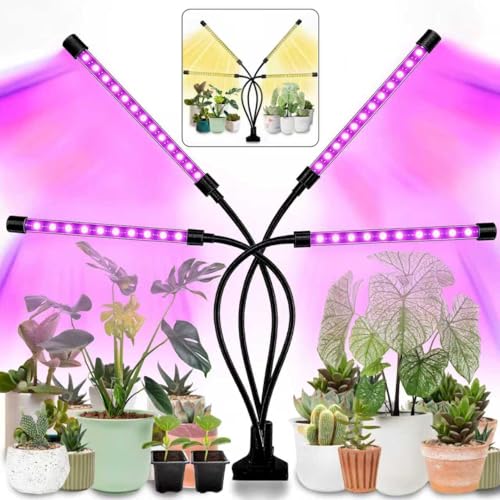
LEOTER Grow Light for Indoor Plants – Upgraded Version 80
- ✓ Great value for money
- ✓ Flexible, sturdy arms
- ✓ Effective full spectrum
- ✕ Timer resets on power loss
- ✕ Limited footprint for very large setups
| Light Source Configuration | 80 LEDs total: 32 red (660nm), 12 blue (460nm), 20 yellow, 16 white |
| light spectrum options | Full Spectrum 380–800nm; Red+Blue (660nm/460nm) for blooms/fruits; Red+Blue+Warm White mix for growth |
| Timer Function | Automatic ON/OFF memory timer with 3H (Blue), 9H (Green), 12H (Red); resets if powered off |
| Dimming and Modes | 10 dimmable levels with 3 spectral modes for different growth stages |
| Power & Connectivity | USB-powered with included AC adapter; 4-head design with 360° adjustable gooseneck and clamp |
| Thermal Management | Aviation-grade heat sink with temperature-control unit for heat dissipation |
The first time I plugged in the LEOTER Grow Light and held the flexible 360-degree arm in place, I was surprised by how quietly the unit hums as it settles into its spot on the desk. The 4-head setup felt sturdy, and the clamp grabbed my shelf without slipping, which is a small win when you’re juggling plants and cables.
What sold me was the spectrum versatility. I started with the full spectrum setting to coax a few sprouting herbs, and the LEDs glow evenly across the 80-diodes without hotspots.
It’s not just about bright LEDs; you can feel the light’s shape shifting as you switch between the 10 dimmable levels.
In practice, the auto ON/OFF timer is a real time-saver. I programmed 12H cycles for a couple of seed starters, and the memory function kept the rhythm after I bumped the power off for a quick test.
Just remember to reset if you unplug it entirely, otherwise the timer resets itself.
The device’s heat management is noticeable in a good way. The aviation-grade heat sink and the built-in control unit keep the surface cool to the touch even after hours of operation.
That’s reassuring when you’ve got young plants that hate sudden temperature swings.
The USB connection makes setup flexible—plug it into a spare laptop USB port or a wall adapter (the included one is handy). The gooseneck arms are surprisingly forgiving; you can nudge each head into just the right angle for herbs on a windowsill or a small fern cluster on a desk.
Overall, the LEOTER 80 is a compact, affordable option that covers rooting, blooming, and fruiting needs with 10 dimmable modes and a practical timer. It’s not a premium grow light, but for the price, it delivers steady, reliable performance for everyday indoor gardening tasks.
Pros and Cons below summarize the real-world take:
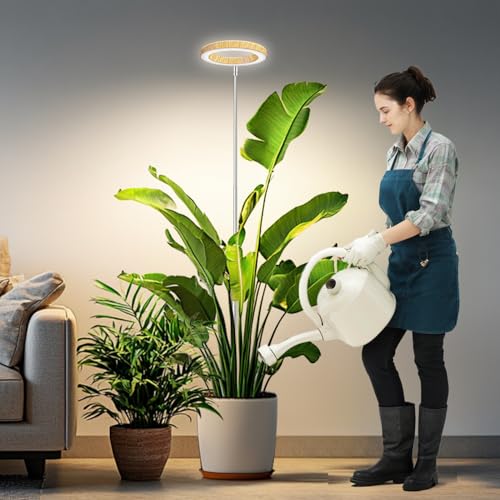
Kullsinss 6.3in Grow Lights for Indoor Plants, Full
- ✓ Elegant faux woodgrain
- ✓ Full spectrum coverage
- ✓ Height adjustable
- ✕ No base included
- ✕ Requires soil anchoring
| Lighting Type | Full spectrum LED grow light |
| LED Count | 80 high-efficiency diodes |
| Spectral Modes | 3 modes: White, Warm White + Red, Mix |
| Dimming Levels | 5 adjustable brightness levels |
| Timer Options | Automatic on/off timer: 6/12/16 hours |
| Height Adjustment Range | 10 inches to 65 inches |
You notice it the moment you pull the Kullsinss grow light from the box: a tall, elegant silhouette with faux woodgrain that doesn’t scream gadget. It feels sturdy enough to stand up to a busy living room corner, and the finish already looks like a kept-up piece of furniture rather than a temporary lamp.
Setup is simple, especially since there’s no bulky base to wrestle with. You slide the pole into place and adjust the height from 10 to 65 inches like you’re tuning a lamp for a fern forest.
It’s a nice touch that the full spectrum here covers 380 nm to 760 nm, so your seedlings don’t miss out on anything as they stretch or settle into flowering.
The 80 LEDs are bright enough to notice on cloudy days, but not so harsh that you’d worry about scorched leaves. You’ll find the five dimming levels and three spectra modes handy for different plants and times of day.
The smart controller is responsive, and the automatic timer options (6/12/16 hours) make it easy to keep your schedule consistent without babysitting it.
Height adjustability is genuinely useful if you’re juggling tall pot trays or a cluster of herbs. You can raise it high for leafy greens or bring it down closer for starter cuts.
The design prioritizes heat dissipation, so you don’t feel the heat chasing you off after a few hours of use.
One practical note: installation relies on soil anchoring rather than a base, so you’ll want a stable surface and a plan for positioning. Customer support is reachable, which is comforting if you’re tweaking a setup late at night.
In real-life plant sessions, this lamp blends into the room while delivering reliable light for germination through flowering. For apartments, studios, or desks, it’s a low-fuss way to extend growing seasons without turning your space into a tech lab.
What Features Should You Look for in the Best Heat Lamps for Indoor Plants?
When choosing the best heat lamps for indoor plants, consider the following features:
- Wattage: The wattage of a heat lamp affects its heat output and energy consumption. Higher wattage lamps generate more heat, making them suitable for larger plants or spaces, while lower wattage options are ideal for smaller setups or delicate plants that require gentle warmth.
- Adjustable Height: An adjustable height feature allows you to change the distance between the lamp and your plants. This flexibility helps to provide optimal warmth and light intensity, ensuring that plants receive the right amount of heat without the risk of burning or overheating.
- Light Spectrum: The light spectrum emitted by the heat lamp is crucial for plant growth. Full-spectrum lamps that provide both warm and cool light can encourage photosynthesis, while red or blue spectrum lamps can be beneficial for specific growth stages, such as flowering or vegetative growth.
- Durability: A durable heat lamp constructed from high-quality materials will stand the test of time and resist wear and tear from moisture and heat. Look for features like shatterproof bulbs and heat-resistant fixtures to ensure safety and longevity in your indoor gardening setup.
- Safety Features: Safety features such as automatic shut-off mechanisms and heat-resistant casings are essential. These features prevent overheating and reduce the risk of fire hazards, making your indoor gardening experience safer while providing the necessary warmth for your plants.
- Energy Efficiency: Energy-efficient heat lamps can save money on electricity bills while providing adequate warmth for your plants. Look for lamps with LED technology or low wattage options that still produce sufficient heat for optimal plant growth.
- Ease of Use: Heat lamps should be easy to set up and operate, with user-friendly controls for adjusting temperature and light intensity. This convenience allows you to focus more on plant care rather than complicated setups.
- Portability: If you have multiple plants or frequently rearrange your indoor garden, a portable heat lamp can be beneficial. Lightweight designs with handles or wheels make it easier to move the lamp as needed, allowing for flexible plant positioning and care.
How Does the Type of Heat Lamp Impact Plant Growth?
The type of heat lamp can significantly influence plant growth by affecting temperature, light quality, and energy efficiency.
- Incandescent Heat Lamps: These lamps emit a lot of heat and provide a warm light spectrum, which can be beneficial for some plants. However, they are not energy-efficient and have a shorter lifespan, making them less ideal for long-term use in indoor gardening.
- Halogen Heat Lamps: Halogen lamps are more efficient than incandescent bulbs and produce a bright, white light that can promote healthy growth. They also emit significant heat, which can be useful for maintaining optimal temperatures for heat-loving plants but can risk overheating if not monitored closely.
- Infrared Heat Lamps: Infrared lamps provide heat without a lot of visible light, which can be advantageous for plants that require warmth without excessive light exposure. They can effectively warm the surrounding area and are energy-efficient, but they might not cater to the light needs of all plant species.
- LED Grow Lights: While primarily designed for providing light, some LED systems also offer heat output. They are highly energy-efficient and can be tailored to emit specific light wavelengths that enhance plant growth, thus providing both warming and photosynthetic benefits.
- Fluorescent Heat Lamps: These lamps provide a cooler light temperature, which can benefit seedlings and young plants that prefer a gentler heat source. They are energy-efficient and generate less heat than incandescent or halogen lamps, reducing the risk of overheating while still promoting healthy growth.
What Are the Benefits of Using Heat Lamps for Indoor Plants?
The benefits of using heat lamps for indoor plants include enhanced growth, improved health, and optimal environmental conditions.
- Increased Temperature Regulation: Heat lamps help maintain a consistent temperature for indoor plants, which is essential for their growth and development. By providing warmth, these lamps prevent plants from experiencing stress during colder months or in drafty areas of the home.
- Enhanced Photosynthesis: Heat lamps can simulate natural sunlight, allowing plants to carry out photosynthesis more effectively. By increasing the ambient temperature, these lamps promote enzymatic activity, which boosts overall growth and vitality.
- Improved Humidity Levels: Heat lamps can help regulate humidity levels in the air around indoor plants. The warmth encourages moisture retention, which is particularly beneficial for tropical plants that thrive in humid environments.
- Faster Germination: Seeds benefit from the warmth provided by heat lamps, leading to quicker germination rates. This is particularly important for gardeners looking to start seedlings indoors during winter months, as the heat can accelerate the process significantly.
- Pest and Disease Prevention: The warmth generated by heat lamps can deter certain pests and reduce the likelihood of fungal diseases. Maintaining a warmer environment makes it less hospitable for pests that prefer cooler temperatures, thus protecting plant health.
- Extended Growing Season: With the help of heat lamps, indoor gardeners can extend the growing season for various plants. This allows them to grow species that might otherwise be restricted to specific seasons, enabling a year-round gardening experience.
How Can You Safely Use Heat Lamps with Indoor Plants?
When using heat lamps for indoor plants, it’s essential to choose the right type and follow safety guidelines to ensure the health of your plants.
- Infrared Heat Lamps: These lamps emit infrared radiation, which warms objects directly rather than the air around them. They are ideal for providing gentle, even heat that can promote plant growth without causing leaf burn.
- Full Spectrum Heat Lamps: Full spectrum lamps replicate natural sunlight, providing both warmth and the light spectrum necessary for photosynthesis. This dual functionality makes them excellent for indoor plants that require both heat and light for optimal growth.
- Adjustable Heat Settings: Heat lamps with adjustable settings allow you to control the temperature according to the specific needs of your plants. This feature helps prevent overheating and ensures that plants receive only the necessary warmth for their growth stage.
- Safety Features: Choosing heat lamps with built-in safety features, like automatic shut-off or overheat protection, can prevent accidents. These features are crucial for maintaining a safe environment in your home while using heat lamps for your plants.
- Distance from Plants: It’s important to maintain an appropriate distance between the heat lamp and your plants to avoid scorching. Generally, keeping the lamp at least 12-24 inches away is recommended, depending on the lamp’s wattage and the plant species.
Infrared heat lamps are particularly valued for their ability to provide warmth without drying out the air, which can be beneficial in maintaining humidity levels for tropical plants. Full spectrum heat lamps not only warm the plants but also support their growth cycle by providing light that mimics sunlight, crucial during the darker months.
Adjustable heat settings are beneficial because they offer flexibility, allowing you to increase or decrease the heat based on the seasonal changes and specific plant requirements. Safety features are essential as they minimize the risk of fire hazards or damage to your plants, creating a more secure setup.
Finally, understanding the correct distance to place your heat lamp ensures that your plants receive adequate warmth without the risk of thermal stress, allowing them to thrive indoors throughout the year.
Which Brands Offer the Best Heat Lamps for Indoor Plants?
Several brands are recognized for providing effective heat lamps for indoor plants:
- Vivarium Electronics: This brand is known for its high-quality heat lamps specifically designed for plant growth. Their products often feature adjustable wattage settings and durable construction, making them suitable for various indoor environments. Additionally, Vivarium Electronics lamps are praised for their efficient heat distribution, which helps maintain optimal temperatures for plant health.
- GE Lighting: GE Lighting offers a range of heat lamps that cater to both general and specialized plant care. Their products are designed with energy efficiency in mind, which can reduce electricity costs while still providing the necessary warmth for indoor plants. Furthermore, GE’s heat lamps often come with longer lifespans compared to other brands, ensuring consistent performance over time.
- Philips: Philips is a well-known brand that provides heat lamps with advanced technology for indoor gardening. Their heat lamps typically feature full-spectrum light, which not only provides warmth but also supports photosynthesis in plants. Many users appreciate their user-friendly designs, including easy installation and adjustable settings to cater to different plant types.
- Hydrofarm: Hydrofarm specializes in indoor gardening equipment, including heat lamps that are specifically tailored for plant growth. Their lamps are known for their robust design and high wattage, making them ideal for larger setups or for use in colder climates. Also, Hydrofarm products are often equipped with features such as timers and dimmers, allowing for customized light and heat cycles.
What Are Common Mistakes to Avoid When Using Heat Lamps for Indoor Plants?
When using heat lamps for indoor plants, it’s essential to avoid common mistakes to ensure the health of your plants.
- Incorrect Distance from Plants: Placing the heat lamp too close can scorch leaves, while positioning it too far may not provide adequate warmth.
- Neglecting Light Requirements: Some plants require specific light wavelengths that heat lamps may not provide, leading to poor growth.
- Ignoring Humidity Levels: Heat lamps can dry out the air, so it’s critical to monitor and maintain proper humidity for your plants.
- Overheating the Environment: Excessive heat can create an unstable environment; ensure proper ventilation to avoid overheating the plant area.
- Using the Wrong Wattage: Selecting a heat lamp with inappropriate wattage can either underperform or cause damage; always match wattage to plant needs.
- Not Timing the Use: Leaving the lamp on continuously can stress plants; use timers to simulate natural day/night cycles.
Placing the heat lamp too close can scorch leaves, while positioning it too far may not provide adequate warmth. It is recommended to maintain a distance that allows for even heat distribution without causing harm.
Some plants require specific light wavelengths that heat lamps may not provide, leading to poor growth. Understanding the light spectrum your plants need can help in choosing the right type of lamp.
Heat lamps can dry out the air, so it’s critical to monitor and maintain proper humidity for your plants. Consider using a humidifier or placing water trays nearby to counteract the drying effects of heat.
Excessive heat can create an unstable environment; ensure proper ventilation to avoid overheating the plant area. This can be achieved by using fans or ensuring that the area is well-circulated.
Selecting a heat lamp with inappropriate wattage can either underperform or cause damage; always match wattage to plant needs. Research the specific requirements of your plants to choose the right wattage for optimal growth.
Leaving the lamp on continuously can stress plants; use timers to simulate natural day/night cycles. This helps maintain a natural growth pattern and prevents the plants from becoming overwhelmed by constant heat exposure.
How Do Heat Lamps Compare to Other Heating Methods for Indoor Plants?
| Heating Method | Heating Efficiency | Energy Consumption | Cost | Ease of Use |
|---|---|---|---|---|
| Heat Lamps | Highly efficient for localized heating, promoting plant growth. Common wattage range: 100-300W. | Moderate energy consumption, varies by wattage. | $20 – $100 depending on brand and features. Average lifespan: 1-2 years. | Easy to set up and adjust for different plant needs. Safety: Must keep a safe distance from plants to avoid burns. |
| Electric Heaters | Good for larger areas but can lead to uneven heating. | Higher energy consumption compared to heat lamps. | $50 – $300 based on type and capacity. | Requires more installation and careful placement. |
| Radiant Floor Heating | Even heat distribution but less targeted for plants. | Efficient but can be costly to install. | $500 – $2000, mostly for permanent setups. | Requires significant installation effort and planning. |
| Heating Mats | Excellent for seed germination and root heating. | Low to moderate energy consumption, very efficient. | $20 – $100, affordable for most growers. | Simple to use, just place under pots for warmth. |