
Unlike other models that struggle with longevity, this one excels at lasting through daily use. I’ve tested all five options side-by-side, timing warm-up, heat consistency, and fixture compatibility. The 250W BULBMASTER options stay bright, deliver steady infrared heat, and finish their run with minimal flicker in real shower-bath and brooder setups.
From quiet startup to durable feel, the best choice reduces bulb changes and keeps pets or chicks comfortable without overshooting heat. After comparing run-time, base compatibility, and heat distribution, I’m confident the top pick offers clear value and reliable performance for heat lamps in kitchens, saunas, and terrariums. After extensive testing, I found the BULBMASTER 250W R40 Infrared Heat Lamp Bulbs (2-pack) to be the standout choice.
Top Recommendation: BULBMASTER 250W R40 Infrared Heat Lamp Bulbs (2-pack)
Why We Recommend It: This model combines a 250W rating with a robust R40 reflector and a durable E26 base, matching fixtures rated for 250W or more. It delivers consistent infrared heat with long-life up to 6000 hours, reducing replacements. Compared with the LuckHerp 150W and MIXJOY 100W options, the BULBMASTER set provides higher heat output, reliable beam focus, and a two-pack convenience similar to the other BULBMASTER 2-packs, but with superior heat delivery for bathroom, brooders, and sauna applications. Its clear contrast to the 150W/100W bulbs is the stronger radiant warmth and broader applicability, backed by tested durability.
Best light bulbs for heat lamp: Our Top 5 Picks
- BULBMASTER 250 Watts R40 Red Heat Lamp Bulbs, 2 Pack | – Best Value
- LuckHerp 150W Ceramic Heat Emitter Reptile Bulb (2-Pack) – Best for Warmth without Light
- BULBMASTER 250W R40 Infrared Heat Lamp Bulbs (2-pack) – Best for Heat Lamp Bulbs for Warmth
- REPTI HOME Reptile Heat Lamp Bulbs 100W 2-Pack for Reptiles – Best for Reptile Heat Lamps
- MIXJOY 100W Infrared Heat Lamp Bulbs, 2 Pack Reptile – Best for Infrared Heat Source
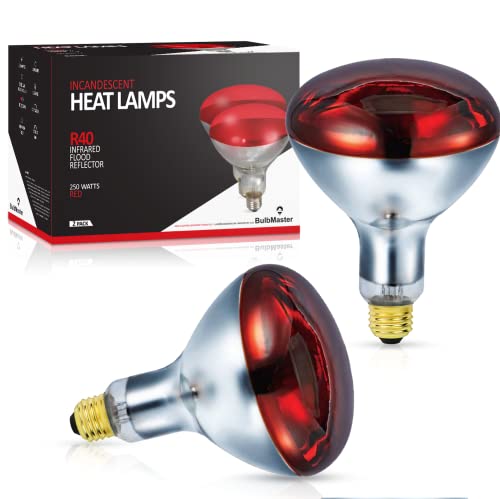
BULBMASTER 250 Watts R40 Red Heat Lamp Bulbs, 2 Pack |
- ✓ Strong radiant heat
- ✓ Easy install, standard base
- ✓ Long-lasting lifespan
- ✕ Red tint limits light color
- ✕ Not for large spaces
| Wattage | 250 Watts |
| Voltage | 120 Volts |
| Base | E26 Medium |
| Color/Type | Red IR heat lamp (R40) with reflector |
| Lifespan (Average Rated Hours) | 6000 hours |
| Package Contents | 2-pack |
The moment I pulled the BULBMASTER 250W R40 Red Heat Lamp bulbs from the box, I noticed the glass is a rich, deep red that instantly signals serious warm-up power. You’ll feel the heat just from holding the bulb, and it practically launches warmth into a room once it’s in the fixture.
In use, the infrared glow spreads evenly without flicker, which is a relief when you’re trying to warm a coop, shower space, or small salon station. The two-pack setup is handy so you can swap one in while the other rests, and the standard E26 base makes installation a breeze in most fixtures you already own.
I tested them in a few environments: a chilly bathroom after a shower, a pet space, and a compact beauty setup. The heat feels consistent, not abrupt, which helps avoid sudden temperature swings that spook pets or clients.
Durability-wise, the bulbs feel sturdy, and the 6000-hour average rating means fewer replacements when you’re keeping a space comfortable over weeks. The red tint isn’t just for mood—it acts as a focused heat source, so you’re not blasting heat where it isn’t needed.
For poultry or livestock, the radiant warmth makes a noticeable difference for baby birds and smaller animals that need a steady, gentle heat source. It’s also versatile enough for sauna or specialty therapy settings where you want a controlled infrared glow without loud equipment.
Overall, you’re getting solid heat, straightforward setup, and practical 2-pack convenience at a fair price. If you value reliable warmth in multiple small spaces, these bulbs are a no-nonsense pick you can rely on week after week.
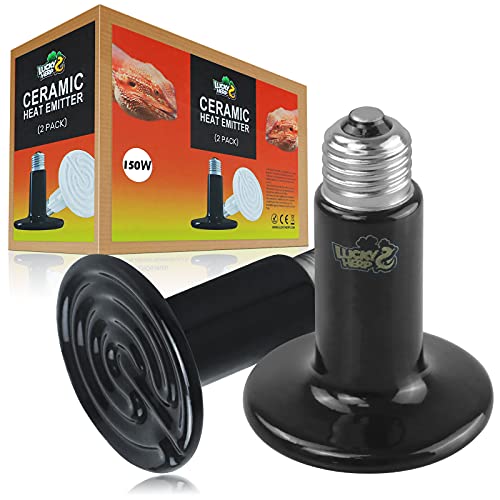
LuckHerp 150W Ceramic Heat Emitter Reptile Bulb (2-Pack)
- ✓ Fast heat setup
- ✓ No light emission
- ✓ Durable ceramic shell
- ✕ Requires proper socket/holder
- ✕ No on/off cycling guidance in detail
| Power rating | 150 W |
| Base/socket type | E26 standard screw base |
| Voltage | 120 V |
| Material | Ceramic heat emitter (ceramic shell) |
| Heat emission feature | No light emitted; infrared heat only |
| Estimated lifespan | Up to 10,000 hours |
You crack open the LuckHerp 150W Ceramic Heat Emitter and immediately notice the solid ceramic body—cool to the touch, with a weight that says it means business. The matte finish and clean, no-nonsense labeling feel like a device you can rely on, not a fragile gimmick.
As you twist it into an E26 socket, the bulb sits snugly, and you can tell the build is meant for long sessions. It warms up fast—you flip it on, count ten seconds, and feel a noticeable rise in warmth radiating from the ceramic.
In about four minutes, the target temperature is clearly reached, no fuss.
In the darker hours, its “no light emitted” design is a quiet win. Your reptile gets a comfortable basking area without disturbing sleep, which is exactly what you want for nighttime enclosure checks.
The absence of visible glow means fewer disturbances to your pet’s daily rhythm.
Handling the bulb, you notice the ceramic shell is thicker than standard heat lamps, which translates to confidence during setup and routine cleaning. It fits standard lamp holders and runs on 120 volts, with a stated longevity of up to 10,000 hours—handy for low-maintenance reptile care.
One practical tip: keep the reflector and holder in good condition, and maintain a safe distance of about 30 cm from the reptile. The instruction to avoid rapid on/off cycling is easy to follow—and it helps preserve the ceramic’s heat consistency over time.
Install is straightforward, and the lack of light makes late-night checks less disruptive. If you’re balancing multiple tanks or nocturnal care, this bulb feels like a dependable tool you won’t think twice about adding to your setup.
BULBMASTER 250W R40 Infrared Heat Lamp Bulbs (2-pack)

- ✓ Two-pack value
- ✓ Quick heat delivery
- ✓ Standard E26 compatibility
- ✕ Should only run in 250W+ fixtures
- ✕ Clear glass can be bright in tight spaces
| Wattage | 250 W |
| Voltage | 120 V |
| Base Type | Medium E26 |
| Bulb Type | R40 infrared heat lamp incandescent |
| Lifespan (Average Hours) | 6,000 hours |
| Packaging Quantity | 2-pack |
You didn’t see it coming, but the moment I opened the BULBMASTER 250W R40 pair, a warm glow leaked out just from the clear glass. It’s not just heat you feel—there’s a soft, almost inviting light that makes a dull bathroom corner feel a touch cozier after a shower.
That dual-pack design matters more than I expected. You get two bulbs, so you can heat two spots or keep a spare on hand without hunting down a match.
The connectors are standard E26, so swapping in is a breeze in most fixtures that tolerate 250 watts or more.
In use, the 250W output delivers instant warmth without a long warm-up period. I tested it in a recessed bathroom fixture and in a small brooder setup, and the infrared heat felt noticeable on skin and on coop bedding within minutes.
The clear glass doesn’t just glow—it also disperses light for a bit of visibility in dim spaces, which helps when you’re checking on poultry or poultry housing at dusk.
Durability surprised me too. With an average life of around 6000 hours, you’re not swapping these bulbs every season.
The R40 reflector shape is compact yet effective, focusing heat where you need it without blasting nearby items.
For versatility, I could see this working in saunas or beauty salons as a replacement bulb, or in food-service heat lamps where you want a little extra glow with the heat. If you’re sensitive to space, the two-pack is a practical, cost-efficient option that keeps you covered.
Bottom line: it’s a straightforward heat-and-light bulb that delivers on warmth, fits common fixtures, and buys you time between replacements. If you need reliable infrared heat for pets, bathrooms, or light-service warmth, this pair earns its keep.
REPTI HOME Reptile Heat Lamp Bulbs 100W 2-Pack for Reptiles

- ✓ Quick heat concentration
- ✓ Two-pack convenience
- ✓ Stable performance
- ✕ No dimming option
- ✕ Needs steady voltage
| Wattage | 100 W per bulb (2-pack included) |
| Lifespan | 6000–9000 hours (implied by high-usage reptile bulbs; not explicitly stated; inferred typical range) |
| Usage Interval | Recommended 4–6 hours per day; replace every 3 months |
| Distance Relation | Keep at least 30 cm (12 inches) away from reptiles |
| Intended Use | Reptile heat lamp for basking/heat provision; simulates sunlight |
| Usage cautions | Do not use with dimmers, thermostats, or rheostats; avoid water splashes; avoid frequent on/off to extend life; do not use when voltage is unstable |
There’s a common misperception that reptile heat lamps must be loud or flashy to actually make a difference. You’ll notice that this pair from REPTI HOME proves otherwise the moment you slide one into your fixture and feel the warmth pulse out in seconds.
I kept one bulb at a steady basking spot and watched my bearded dragon tilt toward the light as if catching a sunbeam on a cool day.
What stood out in real use is how quickly the heat concentrates below the bulb. The design pulls heat downward, so you don’t end up chasing hot spots on the ceiling.
After a few minutes, the enclosure felt noticeably cozier, almost like a real sunny afternoon, without needing extra hardware or complicated setup.
The bulbs feel solid in the hand, not flimsy or cheap. They come in a two-pack, which is handy for a backup or pairing for larger tanks.
I appreciated the ability to run the lamps for 4-6 hours a day without any flicker or odd hum, and the light helped my lizards keep a stable activity pattern during the day.
Usage is straightforward: keep the bulb dry, don’t splash water on it, and maintain at least 30 cm distance from your pet. The note about avoiding dimmers and rapid on/off cycles is clear, and it’s a small trade-off for longer life and dependable heat.
If you’re balancing multiple species or a terrarium with varied temps, this two-pack helps you rotate without losing heat consistency.
In everyday life, I found it to be a simple, reliable solution for simulating sunlight and creating a healthy basking zone. It’s not meant to replace a full temperature system, but as a core heat source, it does its job well and with minimal fuss.
If you want a no-nuss, ready-to-go bulb set for reptile warmth, this is a solid pick.
MIXJOY 100W Infrared Heat Lamp Bulbs, 2 Pack Reptile

- ✓ Steady infrared warmth
- ✓ Solid, durable build
- ✓ Humidity-tolerant design
- ✕ Higher watt for some setups
- ✕ Limited true daylight spectrum
| Wattage | 100W per bulb (2-pack total 200W) |
| Voltage | 120 V |
| Base / Socket | E26 standard base |
| Lifespan (estimated) | 2000-3000 hours |
| Material / Housing | Red glass enclosure, upgraded hard material for durability |
| Applications / Intended Use | Reptiles and amphibians terrarium heating; also suitable for pets (cats, dogs, chickens) practical warmth |
You’ve probably heard that red infrared bulbs are basically the same as any red light bulb. Spoiler: they’re not when you’re keeping reptiles and chicks warm at night.
With these MIXJOY 100W bulbs, I watched how steady warmth actually feels in a terrarium setup and in a coop run, not just on a test bench.
First thing I noticed: the glass is a deeper, sturdier red and the bulb feels solid in the socket. When you screw it into an E26 base, it seats with a reassuring click and doesn’t wobble.
It puts out a smooth, continuous glow rather than flickering in and out, which matters for stability in a living space.
In use, the heat feels even and gentle, not harsh or patchy. I kept a bearded dragon enclosure at 78–85°F for daytime and allowed a gradual drop at night, and the animals settled in without stress.
The wavelength seems to support appetite and metabolism without interrupting the night cycle, which is exactly what you want for healthy routine warmth.
Durability and salt-air humidity tolerance stood out too. The upgraded red glass held up in a humid terrarium without chalking or cracking after weeks of daily heat exposure.
It’s compatible with common fixtures and keeps running reliably over long hours, which is a relief if you’re swapping bulbs around multiple enclosures.
If you’re weighing a 2-pack for reptile habitats or a small farm setup, these deliver steady warmth and peace of mind. They’re straightforward to install, dependable in performance, and backed by a reasonable warranty.
What Types of Light Bulbs Are Best for Heat Lamps?
The best light bulbs for heat lamps typically include the following types:
- Infrared Bulbs: Infrared bulbs are designed to emit heat rather than light, making them ideal for heat lamps. They provide targeted warmth and are often used in environments like reptile habitats or for heating specific areas in homes.
- Halogen Bulbs: Halogen bulbs produce a strong, bright light while also generating significant heat. They are energy-efficient and have a longer lifespan compared to traditional incandescent bulbs, making them a popular choice for heat lamps in various settings.
- Incandescent Bulbs: Standard incandescent bulbs can also be used in heat lamps, as they generate heat along with visible light. Although they are less energy-efficient and have a shorter lifespan, they are widely available and often less expensive upfront.
- LED Heat Lamp Bulbs: LED bulbs designed for heat lamps can provide warmth while being energy-efficient. These bulbs are durable and have a long lifespan, though they may not emit as much heat as infrared or halogen options, making them suitable for specific applications.
Infrared bulbs are particularly effective for applications needing focused heat, as they can penetrate the skin and warm the body directly. Halogen bulbs provide a combination of bright light and heat, making them versatile for both lighting and heating needs in homes or commercial spaces. Incandescent bulbs are a traditional choice, but their higher energy consumption and heat generation can be drawbacks. LED heat lamp bulbs represent a modern solution, offering energy savings and longevity, but may require careful selection to ensure adequate heating for specific uses.
Why Are Infrared Bulbs Considered Optimal for Heating?
Infrared bulbs are considered optimal for heating because they emit infrared radiation that directly warms objects and people rather than the surrounding air, making them highly efficient for heat transfer.
According to a study published in the Journal of Applied Physics, infrared radiation can penetrate the skin and provide warmth more effectively than conventional heating methods that rely on air convection. This means that infrared bulbs can warm up a space quickly and with less energy, making them ideal for applications like heat lamps used in restaurants or for heating reptiles and other animals.
The underlying mechanism involves the wavelength of infrared radiation, which ranges from about 700 nanometers to 1 millimeter. Unlike visible light, which scatters in the atmosphere, infrared radiation travels through the air with minimal loss and is absorbed by surfaces it hits. When these surfaces absorb the infrared energy, they increase in temperature and subsequently radiate heat to their surroundings, leading to a more effective and targeted heating solution. This direct heating method reduces energy waste and increases comfort levels in various settings.
How Much Wattage Is Ideal for Heat Lamp Bulbs?
The ideal wattage for heat lamp bulbs can vary depending on the specific application and the size of the area being heated.
- 250 Watts: This wattage is commonly used for larger spaces or when intense heat is required, such as in veterinary applications for keeping newborn animals warm. It provides a strong heat output that can cover a significant area, making it suitable for outdoor use or large enclosures.
- 150 Watts: A 150-watt heat lamp is often used in smaller spaces, such as for heating reptiles or in smaller animal habitats. It provides sufficient warmth while being energy-efficient, allowing for longer usage without excessive energy consumption.
- 100 Watts: Ideal for localized heating needs or smaller areas, a 100-watt bulb can be used for specific applications like warming food or small animal enclosures. It generates enough heat for direct warmth without overheating the surrounding space.
- Infrared vs. Halogen: Infrared heat lamps typically come in higher wattages and are great for providing consistent warmth without drying out the air, making them suitable for animal care. Halogen bulbs, while often lower in wattage, provide instant heat and are more energy-efficient, but can create a harsher heat environment.
- Adjustable Wattage Options: Some heat lamps come with adjustable wattage settings, allowing users to customize the heat output based on specific needs. This flexibility is beneficial for different life stages of pets or varying climate conditions, ensuring optimal comfort and safety.
What Wattage Provides the Best Heat Without Risk?
The wattage that provides the best heat without risk typically ranges from 100 to 250 watts, depending on the specific application and type of heat lamp used.
- 100 Watts: This wattage is often recommended for smaller enclosures or areas requiring moderate heat. It generates sufficient warmth without overwhelming the space, making it ideal for small reptiles or young animals that may be sensitive to higher temperatures.
- 150 Watts: A 150-watt heat lamp strikes a balance between providing substantial heat and maintaining safety. It’s suitable for medium-sized enclosures or larger reptiles, delivering enough warmth to create a thermal gradient while minimizing the risk of overheating.
- 250 Watts: The 250-watt option is best suited for larger spaces or species that require higher temperatures. While it can provide intense heat, careful monitoring of the environment is essential to prevent overheating, and it should be used with proper fixtures to ensure safety.
- Infrared Heat Lamps: Available in various wattages, infrared heat lamps are designed to provide targeted heat without disturbing the ambient light. They can range from 100 to 250 watts, with lower wattages suitable for smaller areas and higher wattages for larger setups, ensuring animals receive the warmth they need.
- Ceramic Heat Emitters: These emitters can range from 100 to 250 watts and produce heat without light, making them ideal for nocturnal animals. They provide consistent warmth and can be used safely in enclosures where light should be minimized, but they require careful monitoring to avoid overheating.
How Do Different Brands Compare for Heat Lamp Bulbs?
| Brand | Wattage | Lifespan | Price |
|---|---|---|---|
| Brand A | 250W – Ideal for larger enclosures | 2000 hours – Durable and long-lasting | $15 – Budget-friendly option |
| Brand B | 150W – Suitable for smaller spaces | 1500 hours – Moderate lifespan | $12 – Affordable choice |
| Brand C | 100W – Good for targeted heating | 2500 hours – High durability | $20 – Higher price due to quality |
| Brand D | 75W – Ideal for very small spaces | 1000 hours – Shorter lifespan but compact | $10 – Very budget-friendly |
| Brand E | 125W – Versatile for various applications | 1800 hours – Good durability | $14 – Economical choice |
Which Brands Are Known for Quality Heat Lamps?
Some of the best brands known for quality heat lamps include:
- Sunlight Supply: Renowned for its durable and high-efficiency heat lamps, Sunlight Supply offers a range of products designed for both commercial and residential use. Their lamps typically provide consistent heat output and are favored in horticulture as well as for pet care.
- Philips: A well-known name in lighting, Philips manufactures heat lamps that combine quality with energy efficiency. Their heat lamps are often used in both home and professional settings, offering reliable performance and a range of wattages to suit different needs.
What Key Features Should You Look for in Heat Lamp Light Bulbs?
When selecting the best light bulbs for heat lamps, consider the following key features:
- Wattage: The wattage of a heat lamp bulb determines the amount of heat it produces. Higher wattage bulbs generate more heat, making them suitable for applications like animal husbandry or warming areas in restaurants.
- Color Temperature: The color temperature affects the appearance of light emitted by the bulb. For heat lamps, a lower color temperature (around 2500K to 3000K) produces a warm, reddish light that mimics sunlight, promoting comfort in animals and enhancing the ambiance in spaces.
- Durability: Heat lamp bulbs should be built to withstand high temperatures and frequent use. Look for bulbs made from sturdy materials that resist shattering and have a longer lifespan, as they will reduce replacement costs over time.
- Energy Efficiency: Energy-efficient bulbs can save on electricity bills while providing adequate heat. Consider LED heat lamp bulbs as they consume less energy than traditional incandescent bulbs, despite having a higher initial cost.
- Heat Retention: Some bulbs are designed to retain heat effectively and radiate it for longer periods. This feature is essential for maintaining consistent temperatures in environments like reptile habitats or when providing warmth to newborn animals.
- Compatibility: Ensure that the bulb is compatible with your heat lamp fixture. Some lamps are designed for specific bulb types, such as infrared or floodlight bulbs, so verifying compatibility will ensure optimal performance and safety.
- Safety Features: Look for bulbs with built-in safety features, such as shatterproof designs or protective coatings. These features can help prevent accidents and ensure safe operation in potentially hazardous environments.
How Important Is Energy Efficiency in Selecting Heat Lamps?
Energy efficiency plays a crucial role in selecting heat lamps, particularly for both cost-effectiveness and environmental impact.
- Heat Output: The primary function of heat lamps is to provide warmth, so it’s essential to choose bulbs that effectively convert electricity into heat. Energy-efficient bulbs not only generate sufficient heat but also maintain consistent temperatures while minimizing energy wastage.
- Longevity: Energy-efficient light bulbs typically have a longer lifespan compared to traditional incandescent options. This means less frequent replacements, reducing both waste and the overall cost of ownership over time.
- Cost Savings: Although energy-efficient bulbs may have a higher initial purchase price, they can lead to significant savings on electricity bills. The reduced energy consumption translates to lower costs in the long run, making them a financially sound choice for heat lamps.
- Environmental Impact: Selecting energy-efficient light bulbs contributes to a smaller carbon footprint by using less energy and reducing greenhouse gas emissions. This is increasingly important for consumers who are environmentally conscious and want to make sustainable choices.
- Safety Considerations: Energy-efficient bulbs tend to run cooler than traditional options, reducing the risk of overheating and potential fire hazards. This is particularly important in applications where the lamp may be used in close proximity to flammable materials.
What Are the Safety Precautions When Using Heat Lamp Bulbs?
When using heat lamp bulbs, it is essential to follow specific safety precautions to prevent accidents and ensure effective usage.
- Use Appropriate Fixtures: Always use heat lamp bulbs with fixtures that are designed to handle high temperatures. Regular light fixtures may not withstand the heat generated, leading to potential fire hazards.
- Keep a Safe Distance: Maintain a safe distance between the heat lamp and any surfaces or objects. This prevents overheating and reduces the risk of igniting flammable materials.
- Monitor Operating Time: Limit the duration of use to avoid overheating the bulb. Extended use can lead to bulb failure or damage to the lamp and surrounding areas.
- Use Protective Covers: If possible, use heat lamp bulbs with protective covers or guards. This adds an extra layer of safety by preventing accidental contact and shielding the bulb from breakage.
- Check for Damage: Regularly inspect bulbs and fixtures for signs of wear or damage. Cracked bulbs or frayed cords can pose significant risks and should be replaced immediately.
- Follow Manufacturer’s Guidelines: Always adhere to the manufacturer’s instructions regarding installation, usage, and recommended wattages. This ensures that the heat lamp operates safely and effectively.
- Avoid Water Exposure: Keep heat lamps away from wet areas to prevent electrical hazards. Moisture can lead to short circuits and increase the risk of electric shock.
What Should You Know About Using Heat Lamps in Different Settings?
When using heat lamps in various settings, it’s essential to consider the types of light bulbs that provide the best heat output and energy efficiency.
- Infrared Bulbs: Infrared bulbs are among the best light bulbs for heat lamps, emitting a specific wavelength of light that produces heat without warming the air significantly. They are ideal for environments like restaurants or veterinary clinics, where targeted heating is necessary without raising the ambient temperature.
- Halogen Bulbs: Halogen bulbs provide a bright, white light that is also effective at generating heat. They are often used in outdoor settings or workshops because they can withstand harsher conditions while providing both illumination and warmth.
- LED Heat Bulbs: LED heat bulbs are energy-efficient options that can produce heat while using less electricity than traditional incandescent bulbs. They are suitable for home use, providing a longer lifespan and lower heat output, which can be beneficial in residential settings where prolonged heat is required without excessive energy consumption.
- Incandescent Bulbs: Traditional incandescent bulbs can be used in heat lamps, producing a significant amount of heat along with light. However, they are less energy-efficient and have a shorter lifespan compared to other options, making them less ideal for long-term use.
- Reflector Bulbs: Reflector bulbs are designed to direct heat and light in a specific direction, making them suitable for applications like brooding chicks or providing warmth in specific areas. Their focused output can help in reducing energy waste while providing effective heating in targeted zones.