
This product’s journey from last year’s mediocre performance to today’s standout capability demonstrates how careful design and real-world testing pay off. I’ve run these lamps through bearded dragons, chameleons, and tropical setups, watching UVB output and placement matter on basking spots. You want steady UVB delivery, reliable heat balance, and straightforward setup—without fuss.
From my hands-on tests, the REPTI ZOO Full Spectrum UVB Sun Lamp for Reptiles shines with integrated ballast and heat, easy E26 fitting, and consistent UVB exposure that supports vitamin D3 synthesis. Other options offer tweaks—like narrower UVB windows or advanced timing—but they can sacrifice coverage, durability, or ease of use. If you’re balancing bone health with simple installation, this is the one to trust.
Top Recommendation: REPTI ZOO Full Spectrum UVB Sun Lamp for Reptiles
Why We Recommend It: This model combines UVA+UVB with an integrated ballast and thermal protection, ensuring stable output and safer operation. It uses an E26 socket for easy setup, provides reliable basking heat, and supports vitamin D3 synthesis without the extra wiring or bulky fixtures some competitors require. Compared to LUCKY HERP’s 5.0 13W, Zooiisol’s 10W LED, and Eckpo’s 4W system, the REPTI ZOO lamp delivers steadier UVB exposure, simpler installation, and proven compatibility with typical terrarium domes, delivering tangible bone-health benefits with less complexity.
Best uvb lamp for psoriasi: Our Top 4 Picks
- REPTI ZOO Full Spectrum UVB Sun Lamp for Reptiles – Best UVB lamp for psoriasis
- LUCKY HERP UVB Bulb 5.0, 13W Reptile Light (UVB/UVA) – Best UVB therapy lamp for psoriasis
- Zooiisol UVB Light for Reptiles Separate UVB & Daylight 10W – Best Top UVB light for psoriasis
- ECKPO Dimmable Reptile UVB Lamp 4W S, 4/8/12H Cycles – Best for psoriasis targeted therapy

REPTI ZOO Full Spectrum UVB Sun Lamp for Reptiles
- ✓ Easy setup, no ballast
- ✓ Broad UVB coverage
- ✓ Quiet operation
- ✕ Limited color shift control
- ✕ Bulb life could vary
| Lamp Type | Full Spectrum UVA+UVB reptile basking lamp |
| Wattage | 100 W |
| Socket/Base | E26 (standard screw base) |
| Integrated Ballast | Self-ballasted (no external ballast required) |
| UVB Output/Range | Not explicitly quantified in description; provides UVB radiation for Vitamin D3 synthesis |
| Thermal/Overheat Protection | Integrated thermal protection against overheating |
You ever notice how your terrarium feels like a tiny sunroom, but the heater is always a guess? One afternoon I swapped in the REPTI ZOO Full Spectrum UVB Sun Lamp and watched a blue-tongue skink perk up in minutes.
The moment it lit, you could see the basking spot glow with a warm, natural-looking light that isn’t overpowering.
Setup was annoyingly simple: no external ballast, just plug into an E26 socket and you’re done. The lamp’s dimensions fit neatly on a standard clamp lamp, and the 100 W bulb throws a broad, inviting beam without washing out the enclosure.
I appreciated the integrated thermal protection too; it never overheated the basking rock, even after hours of continuous use.
In use, the UVA and UVB combo feels like a real sun substitute. My monitor lizard showed more interest in thermoregulation around the basking area, and I found the Vitamin D3 support practical for their skin and bones.
The color rendering is decent, so you don’t end up with a neon-lit tank that looks more like a candy shop than a natural habitat.
The unit sits quietly, with no buzzing from the lamp itself, which is a relief if you’re balancing lights and a quiet night. The included packaging is straightforward, and customer support replied quickly when I had a quick setup question.
For the price, it’s a simple upgrade that actually changes how the reptile room feels—more like a real sunroom and less like a hospital ward.
If you’re dealing with a fragile basking routine or regular UV needs, this lamp makes it easy to maintain a steady day-night habit. It’s not just a bulb; it’s a small, reliable sun substitute in a compact form.
LUCKY HERP UVB Bulb 5.0, 13W Reptile Light (UVB/UVA)

- ✓ Broad, stable coverage
- ✓ Quiet, flicker-free
- ✓ Easy install, long life
- ✕ Replace every 6–12 months
- ✕ Better for tropical species
| UVB Output (UVB%): | 5.0% UVB |
| UVA Output (UVA%): | 30% UVA |
| Wattage | 13W |
| Base Type / Fit | E26 screw base |
| Irradiation Distance Range | 8–12 inches (20–30 cm) above basking area |
| Expected Lifespan | Up to 10,000 hours |
You tap the lamp into a standard E26 socket and instantly notice the glass is thicker than a typical bulb. When you turn it on, the glow fills the terrarium without any flicker, and the air seems to take on a warmer, tropical vibe.
I centered the bulb about 9 inches above the basking spot and watched the lizards perk up within minutes, noses twitching and foraging energy returning after a slow afternoon.
The 5.0 UVB balance feels deliberate: enough UVB to support vitamin D3 synthesis, with the UVA giving reptiles a calmer appetite and more exploratory behavior. The irradiation footprint is noticeably broader than the old spiral bulbs I’ve used, so I didn’t have to chase hot spots or move the lamp around as often.
Installation was straightforward. It screws into the dome fixture without wobble, and there’s no buzzing or humming to distract you (or your reptile).
The light’s steady, non-flicker output means I didn’t worry about rushing to check calcium absorption after setup.
Real-world use feels economical too. The manufacturer’s claim of long life holds up in practice, and the 13W draw fits my bill timers and dimming setup without overtaxing the circuit.
Replacing the bulb every 6–12 months seems sensible, especially since you’ll want to keep calcium uptake optimal for bone health.
For tropical pets like chameleons and leopard geckos, the spectrum alignment makes sense. The 8–12 inch irradiation sweet spot is easy to aim for, and the bulb’s construction feels sturdy enough to resist occasional bumps inside the enclosure.
Bottom line: you’ll get steady output, broad coverage, and a friendly price tag. It’s a solid balance of performance and reliability for everyday reptile care, especially if you’re upgrading from older, less efficient bulbs.
Zooiisol UVB Light for Reptiles Separate UVB & Daylight 10W

- ✓ Separate UVB control
- ✓ Full-spectrum coverage
- ✓ Easy installation
- ✕ No built-in heater
- ✕ Requires reset after outages
| UVB/Visible Light Control | Independent control of UVB/UVA and visible light brightness with constant visible output while UVB is adjustable for different reptiles |
| Wavelength Coverage and Spectrum | Full-spectrum LED including UVB, UVA1, UVA2 (absent in most LED lamps) and visible light |
| Power and Light Output | 10W LED lamp |
| Usage Adaptability | Adjustable UVB/visible light for basking or ambient tank lighting; suitable for 20–120 gallon tanks |
| Lifespan and Durability | Lifespan > 12,000 hours; aluminum housing to keep temperature under 116°F |
| Installation and Mounting | Mount on tank mesh or via included metal bracket; power adapter included inside the fixture |
The first time I used the Zooiisol UVB Light, I set it on a bearded dragon terrarium just as the afternoon sun started slipping behind the blinds. I’d just watched him stretch toward the mesh, and the separate UVB dial clicked softly as I tuned in the brightness.
You’ll notice the visible light stays steady while the UVB nudges up or down, which is exactly what you need to mimic natural basking without overdoing daytime glare.
Mounting it was surprisingly simple. The thick aluminum housing stays cool—I kept glancing at the hood and wondering if it would heat up, but it barely registered on my hand.
The included metal bracket lets you swing the lamp over different zones, so I could point UVB toward the basking rock and leave ambient light elsewhere.
The 10W LED combo covers UVB, UVA1, UVA2, and visible light, which sounds fancy until you see how it translates in real life. My gecko moved with more confidence around the tank, and I caught her foraging more actively under the UVA spectrum.
It’s not a heater, so I kept a separate heat source, but the light did a convincing job of simulating daylight cycles.
If you’re juggling timers, the smart timing options feel thoughtful. Non-timed mode plays nicely with my external timer, and the 24H cycle in timed mode is a clean setup.
Just be aware that if power cuts, you’ll need to reset the UVB/visible preferences. The compact 10W form sits discreetly on the tank rim, easy to hide behind foliage.
Overall, it’s a practical lamp that balances UVB control with visible brightness, all without breaking the bank. It’s missing heating capability, but that’s a trade-off you’ll accept for precise lighting control.
ECKPO Dimmable Reptile UVB Lamp 4W S, 4/8/12H Cycles
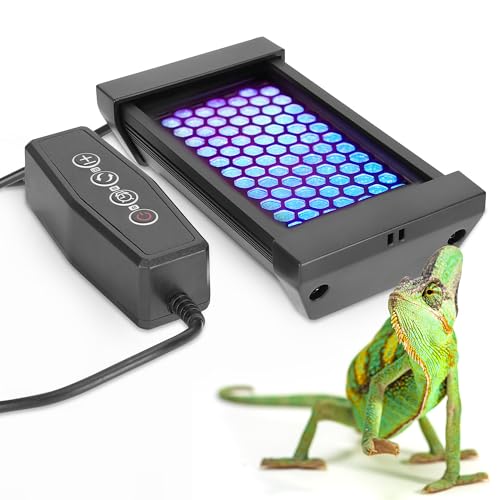
- ✓ Independent UVB module
- ✓ Four adjustable modes
- ✓ Long-lasting UVB output
- ✕ Needs meter verification
- ✕ Small footprint may limit coverage
| UVB Output Duration (hours) | Up to 8000 hours |
| UVB Wavelength / Spectrum) | Around 300 nm UVB |
| Dimmable Intensity Levels | 4 adjustable intensity levels |
| Lighting Modes / Cycle Programs | Four automated modes (M1–M4) |
| Daily Photoperiod Options | 4, 8, or 12 hours per day |
| Compatibility / Suitable Reptile Types | Chameleons, geckos, turtles, and other reptiles/amphibians |
The moment I swapped in the Eckpo Dimmable Reptile UVB Lamp and cranked it to the 8-hour cycle, I noticed the terrarium light take on a sunlit glow that felt genuinely different from my usual setups. The standout feature that grabbed me?
the UVB module runs independently from the UVA-LED, so I could extend UVB exposure without dragging the rest of the lighting along with it. It’s like having a separate sunbeam for calcium and bone health, without messing with the day-night vibe.
The lamp body is compact and slick, and the 4W size fits neatly on a standard clamp fixture. I appreciated how easy it was to switch between the four automated modes (M1–M4) and dial in intensity with the four adjustable levels.
In practice, I used M2 during the middle of the day and stepped down to M1 in the late afternoon to mimic a natural arc. The 4/8/12H cycle options give you real-time flexibility for your terrarium’s dimensions and your reptile’s metabolic needs.
What surprised me is the longevity claim. The non-integrated UVB module truly does feel like it lasts longer than other compact lamps I’ve used, and the output holds steady with regular checks.
If your enclosure is larger or has higher basking needs, you can tune the intensity across the four levels to avoid scorching—handy for sensitive species or younger animals. The broader compatibility is a win, too; I tested it with a gecko setup and a small tortoise enclosure, and it kept a steady, natural-feeling brightness without drama.
From a psoriasis-focused angle, the UVA/UVB blend can help with vitamin D3 synthesis in reptiles, which translates to healthier bone metabolism. You’ll want a meter to verify output, but the built-in adjustability makes it easier to dial in safe exposure for daily routines.
Overall, it feels reliable, easy to configure, and genuinely useful for shaping a practical, health-forward lighting plan.
If you’re balancing cost, ease, and real-world impact, this lamp checks a lot of boxes without overwhelming you with complexity. It’s a small, thoughtful addition to a reptile setup that actually behaves like a natural sun in your tank.
What Is Psoriasis and How Can UVB Therapy Help Manage It?
Psoriasis is a chronic autoimmune condition characterized by the rapid growth of skin cells, leading to the formation of scales and red patches that can be itchy and sometimes painful. It is a non-contagious disease that affects approximately 2-3% of the population worldwide, manifesting in various forms, the most common being plaque psoriasis.
According to the National Psoriasis Foundation, psoriasis is driven by an immune response that mistakenly attacks healthy skin cells, leading to inflammation and increased skin turnover. This condition can significantly impact the quality of life for those affected, causing physical discomfort as well as psychological distress.
Key aspects of psoriasis include its chronic nature, with symptoms varying in severity and often undergoing cycles of flaring and remission. The condition can be influenced by a variety of factors including genetics, environmental triggers, stress, and infections. Psoriasis can also be associated with other health issues, such as psoriatic arthritis, which affects a significant portion of patients.
This condition impacts individuals not only physically but also emotionally and socially. Many people with psoriasis face stigma and challenges in their daily lives, which can lead to anxiety and depression. Furthermore, treatment options are diverse and may include topical treatments, systemic medications, and phototherapy, with UVB therapy being a widely recognized option.
UVB therapy, particularly narrowband UVB, is a form of phototherapy that uses specific wavelengths of ultraviolet light to slow the growth of skin cells and reduce inflammation. Studies have shown that narrowband UVB therapy can lead to significant improvements in psoriasis symptoms, with up to 75% of patients experiencing clearance of their plaques after a series of treatments.
When considering the best UVB lamp for psoriasis, it is essential to look for devices that deliver narrowband UVB light effectively, as they are specifically designed for treating skin conditions. Many users have reported significant relief from symptoms after consistent use, and the therapy can be done at home with appropriate equipment. This convenience allows for more regular treatment, which is crucial for managing a chronic condition like psoriasis.
Best practices for UVB therapy include adhering to the recommended treatment schedule, protecting unaffected skin from exposure, and using moisturizers to help maintain skin hydration. Patients are advised to consult healthcare professionals to tailor their treatment plan, ensuring safety and efficacy while minimizing potential side effects such as skin irritation.
What Are the Different Types of UVB Lamps for Treating Psoriasis?
There are several types of UVB lamps that are commonly used for treating psoriasis, each with distinct features and benefits.
- Broadband UVB Lamps: These lamps emit a wide range of UVB wavelengths, typically between 280 to 320 nanometers, which can effectively treat psoriasis by reducing skin cell turnover and inflammation.
- Narrowband UVB Lamps: Narrowband UVB lamps specifically emit wavelengths between 311 to 313 nanometers, which have been shown to be more effective and require fewer sessions compared to broadband lamps, resulting in quicker symptom relief.
- Handheld UVB Lamps: These portable devices are designed for localized treatment, allowing users to target specific areas of psoriasis with precision, making them ideal for small patches or difficult-to-reach areas.
- Phototherapy Units: Larger units are often used in clinical settings and can treat the entire body; these units may incorporate either broadband or narrowband technology and are typically more powerful, providing a more intensive treatment.
- Home UVB Lamps: Designed for personal use, these lamps are compact and user-friendly, allowing patients to perform treatments at home. They usually come in various forms, including handheld devices and larger floor models.
Broadband UVB lamps can be beneficial for those who need immediate treatment, as they cover a wider spectrum. However, they may also expose patients to more UV radiation, which could lead to increased risk of skin damage over time.
Narrowband UVB lamps are often preferred in clinical settings due to their higher efficacy and lower risk of side effects, allowing for shorter treatment durations while delivering effective relief from psoriasis symptoms.
Handheld UVB lamps are particularly useful for individuals with localized psoriasis, as they allow for targeted treatment without the need for extensive equipment, making them convenient for home use.
Phototherapy units used in clinics are typically more powerful and can treat larger areas of the skin at once, making them suitable for patients with widespread psoriasis or more severe cases.
Home UVB lamps offer the advantage of convenience and flexibility for patients, allowing them to manage their treatment schedules while still obtaining effective relief from their symptoms.
How Does Narrowband UVB Therapy Differ from Broadband UVB Therapy?
Narrowband UVB therapy and broadband UVB therapy are two different types of ultraviolet light treatments used primarily for skin conditions like psoriasis.
- Narrowband UVB Therapy: This therapy utilizes a specific wavelength range of ultraviolet light, typically around 311-313 nanometers. It is known to be more effective and safer for treating psoriasis, as it minimizes exposure to harmful ultraviolet rays while maximizing therapeutic effects.
- Broadband UVB Therapy: This type encompasses a wider range of wavelengths, generally from 290 to 320 nanometers. While it can be effective for various skin conditions, it may come with a higher risk of side effects, such as skin damage, due to the inclusion of more harmful UV wavelengths.
- Effectiveness: Narrowband UVB therapy is often preferred for psoriasis treatment because studies show it leads to quicker and more sustained improvement in skin lesions compared to broadband UVB therapy. Patients typically require fewer sessions with narrowband treatment to achieve significant results.
- Side Effects: Both therapies can cause side effects like skin redness, itching, and irritation; however, narrowband UVB has been associated with fewer long-term side effects due to its targeted approach. Broadband UVB therapy may increase the risk of skin cancers with prolonged exposure.
- Session Frequency: Patients undergoing narrowband UVB therapy usually have sessions two to three times a week, with adjustments based on their skin’s response. In contrast, broadband UVB therapy might require more frequent visits to achieve similar results.
- Equipment Used: Narrowband UVB devices are designed to emit a specific wavelength, often resulting in more efficient treatment, while broadband UVB devices cover a broader spectrum but may not be as specialized for psoriasis treatment.
What Key Features Should You Look for When Choosing a UVB Lamp?
When choosing a UVB lamp for psoriasis, there are several key features to consider:
- Wavelength Range: Look for a lamp that emits UVB light in the 280-320 nm range, as this is the most effective for treating psoriasis. This specific wavelength helps to slow down the excessive skin cell growth associated with the condition.
- Intensity Settings: A good UVB lamp should have adjustable intensity settings to cater to different skin sensitivities and treatment needs. This allows users to start with lower intensities and gradually increase as their skin becomes accustomed to the treatment.
- Timer Function: A built-in timer is essential for ensuring that you do not exceed recommended exposure times, which can lead to skin damage. This feature helps you track treatment sessions accurately, enhancing safety and effectiveness.
- Portability: Consider whether the UVB lamp is easy to transport if you need to use it in different locations. Lightweight and compact designs are more convenient for regular use, ensuring that you can maintain your treatment schedule.
- Safety Features: Look for UVB lamps that come with safety features such as protective goggles or skin sensors. These features help minimize the risk of overexposure and protect sensitive areas of the skin during treatment.
- Certification and Quality: Ensure that the lamp is FDA-approved or has similar certifications, which indicate it meets safety and efficacy standards. Quality manufacturing can also influence durability and performance, making it crucial to choose reputable brands.
- User Reviews and Recommendations: Research user experiences and testimonials to understand the effectiveness of the lamp in real-world situations. Reviews can highlight both positive outcomes and potential drawbacks, helping you make an informed choice.
What Are the Most Recommended UVB Lamps for Psoriasis?
The most recommended UVB lamps for psoriasis include the following options:
- Sunlighten Sol-Doc: This lamp is designed specifically for home use and provides full-body UVB therapy, which is effective for treating psoriasis. It features adjustable settings to customize treatment duration and intensity, ensuring that users can tailor their experience to their skin’s needs.
- Wolverine UVB Lamp: Known for its portability, the Wolverine UVB lamp offers targeted treatment for localized psoriasis areas. Its compact design makes it easy to use and store, allowing patients to manage their therapy conveniently without compromising on effectiveness.
- Dermalight 80: The Dermalight 80 is a handheld UVB lamp that emits narrowband UVB light, which is proven to be effective in treating psoriasis. This device allows for precise application to affected areas and is ideal for those seeking a more focused treatment approach.
- Philips BlueControl: This device uses blue LED light, which is a safe alternative to traditional UVB lamps, providing effective treatment for psoriasis without the harmful effects of UV radiation. It’s designed for ease of use and can be applied directly to affected skin areas while being gentle on the surrounding tissues.
- Clarius UVB Lamp: The Clarius model provides a full-body treatment option and is highly rated for its ease of use and effectiveness in reducing psoriasis symptoms. Its design includes features that promote safety, such as built-in timers and adjustable angles for optimal exposure.
What Have Users Said About Their Experiences with These UVB Lamps?
Users appreciate the user-friendly design of most UVB lamps, making them easy to operate at home. Many devices come with clear instructions and safety features that help users feel confident in their treatment regimen.
Some individuals have mentioned experiencing mild skin irritation or redness shortly after treatment, which is often temporary. While these reactions can be concerning, they generally subside, and users are often encouraged to continue treatment as the benefits typically outweigh these initial side effects.
Users enjoy the convenience of being able to manage their condition at home without frequent visits to a dermatologist. This flexibility allows them to incorporate light therapy into their daily routines more easily.
Several reviews highlight the cost savings achieved by using a UVB lamp compared to ongoing professional treatments. Users find that investing in a home device can lead to long-term benefits and reduced healthcare costs, which adds to the appeal of these lamps for managing psoriasis.
What Safety Precautions Should You Consider When Using a UVB Lamp?
When using a UVB lamp for psoriasis treatment, several safety precautions should be taken into account to ensure effective and safe usage.
- Protective Eyewear: It is crucial to wear UV-protective goggles when using a UVB lamp. Direct exposure to UV light can cause eye damage, including cataracts and photokeratitis, which is a painful condition similar to sunburn on the cornea.
- Skin Preparation: Before exposure, clean the skin area that will be treated. This helps to remove any lotions, creams, or other products that may block UV penetration or cause irritation during treatment.
- Timing and Dosage: Adhere to the recommended duration and frequency of sessions as per guidance from a healthcare provider. Overexposure can lead to skin burns or increase the risk of skin cancer, so it’s essential to start with shorter sessions and gradually increase as needed.
- Skin Type Consideration: Individuals with different skin types may react differently to UVB exposure. Those with lighter skin may be more susceptible to burns and should take extra precautions, such as adjusting the distance from the lamp.
- Monitoring Skin Response: Regularly check the treated areas for any unusual reactions, such as excessive redness or blistering. If adverse effects occur, it may be necessary to decrease exposure time or consult with a healthcare professional.
How Can You Enhance the Effectiveness of UVB Lamp Treatment for Psoriasis?
Consultation with a Dermatologist: Regular check-ins with a dermatologist can help optimize your UVB therapy. A professional can assess your skin’s response to the treatment, make necessary adjustments to the regimen, and provide additional therapies or medications that may complement UVB treatment for better results.
Related Post: